

The Power of Multiple Perspectives
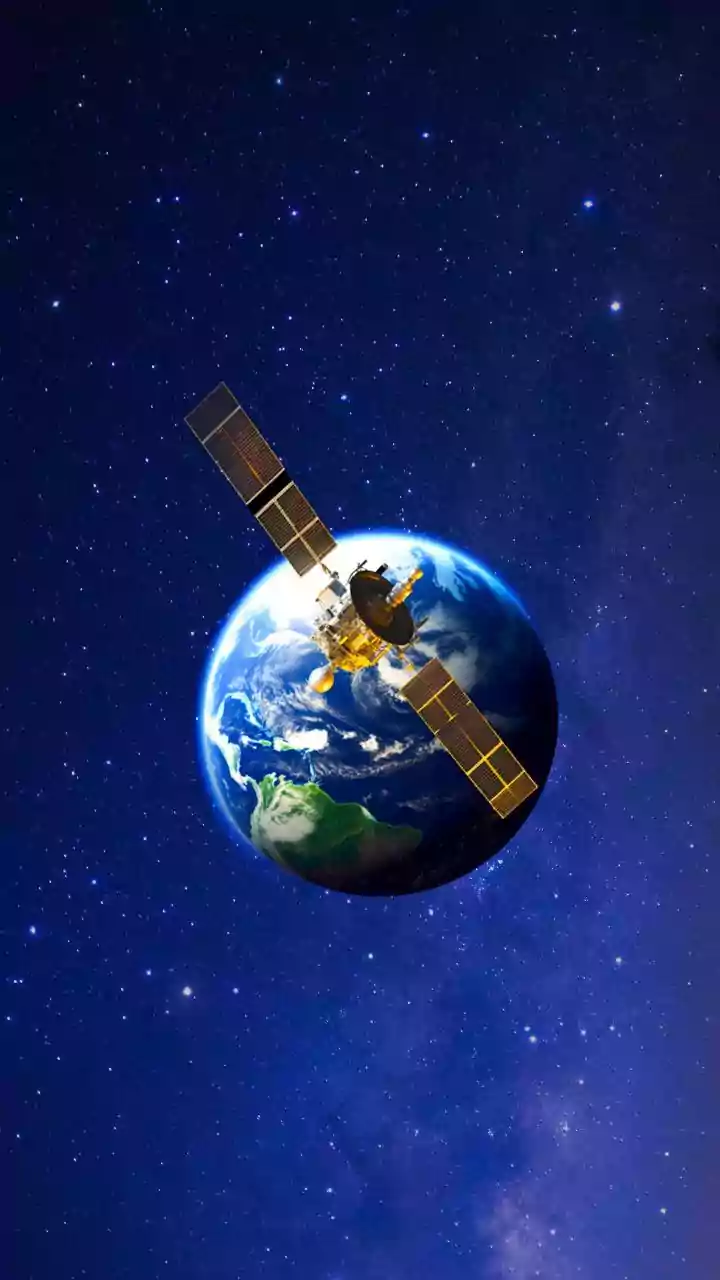
Imagine trying to understand a complex object by looking at it from only one angle. You’d get a part of the story, but not the whole picture. The same is true for space science. A single spacecraft, no matter how advanced, has limitations. It's in one place
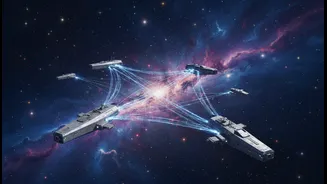
at one time, capturing a single stream of data. But when scientists combine observations from multiple spacecraft, a more complete and reliable understanding emerges. This method, often called data fusion, is becoming a cornerstone of modern astronomy and heliophysics—the study of the Sun and its influence on the solar system. By integrating data from different instruments and vantage points, researchers can cross-validate findings, reduce uncertainties, and uncover details that would be invisible to a lone observer. It's like having a team of reporters at different locations covering the same event; each one provides a unique perspective that contributes to a richer, more accurate narrative.
A Symphony of Satellites
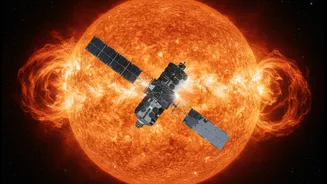
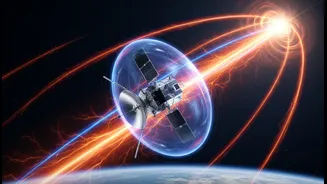
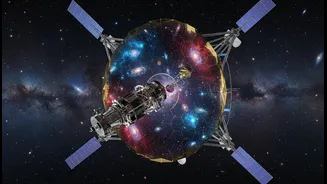
NASA's Heliophysics System Observatory (HSO) is a prime example of this collaborative approach. The HSO isn't a single entity but a fleet of interconnected missions working in concert to study the Sun-Earth system. Missions like the Parker Solar Probe, which flies through the Sun's outer atmosphere, and the Solar and Heliospheric Observatory (SOHO), provide a constant stream of data about our star. By combining their observations, scientists can track solar events, like coronal mass ejections, as they travel from the Sun to Earth. This multi-spacecraft approach allows for a more holistic view, mapping the interconnected system that stretches from the Sun to far beyond the planets. The flexibility of this distributed observatory means its capabilities evolve with each new mission launched, constantly enhancing our knowledge.
Seeing the Unseen
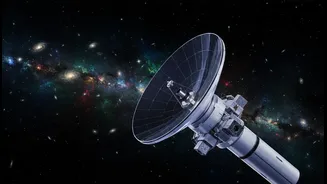
Combining data doesn't just confirm what we know; it helps us discover what we don't. For instance, the James Webb Space Telescope (JWST) and the Hubble Space Telescope have worked together to make groundbreaking discoveries. Recently, they jointly identified one of the 10,000 'missing' black holes believed to be in the Omega Centauri star cluster. In another instance, the JWST followed up on strange swirls of gas near a supermassive black hole first spotted by Hubble, producing a detailed map of material flowing into the black hole. This synergy between different observatories, each with unique capabilities, is crucial. One telescope might spot an anomaly, and another can be used for a more detailed follow-up, together painting a more complete picture of cosmic phenomena. This is also seen in studies of Earth's own systems, where combining satellite and airborne data is improving measurements of Arctic sea ice.
Making It All Work Together
Fusing data from different sources is a complex task. The spacecraft may have different types of sensors, be in different orbits, and have their own data formats and potential biases. To address this, initiatives like the Astrophysics Cross-Observatory Science Support (ACROSS) are being developed. ACROSS provides a centralized interface that aggregates real-time data from multiple observatories, including mission status, scheduling, and visibility. This helps scientists quickly coordinate follow-up observations of transient events, like supernovae or gamma-ray bursts. By using standardized, machine-readable data, automated systems can swiftly assess which observatories are available to respond, reducing human delay and enabling timely data collection. This integrated approach is essential for maximizing the scientific return from our fleet of space-based observatories.
The Future is Collaborative
The trend towards multi-spacecraft, multi-instrument science is only growing. As space becomes more crowded and contested, the ability to fuse data from multiple sensors for a clearer picture of the space domain is also a key capability for organizations like the U.S. Space Force. The concept of a "digital twin"—a virtual replica of a physical object or system—is also being used to simulate and forecast the behavior of spacecraft and even larger systems, like Earth's climate. These virtual models, fed by real-time data from multiple sources, allow for better-informed decisions and risk reduction. From understanding the fundamental workings of our solar system to protecting valuable assets in orbit and monitoring our own planet, the power of a shared view is undeniable. By looking at the universe through multiple eyes, we are not just getting more data, but more reliable and profound insights into the cosmos.