




The Golden Rule: First In, First Out
The single most effective food-saving habit isn't about complex meal prepping or buying expensive containers. It's a simple principle used by professional chefs and supermarkets worldwide: First In, First Out (FIFO). In simple terms, it means using the
oldest food items before you open the newer ones. When you bring home new groceries, you place them behind the items you already have. This ensures that older food gets used up in a timely manner, dramatically reducing the chances of it expiring or spoiling before you get to it. It’s a mindset shift from ‘what do I want to eat?’ to ‘what do I need to eat first?’ that forms the foundation of a waste-free kitchen.
Applying FIFO to Your Fridge
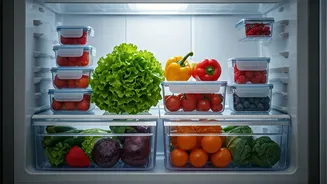
Your refrigerator is the most common site of food waste. To implement FIFO here, start by making visibility your priority. When you unload your groceries, take a moment to pull the older items—the half-used tub of yogurt, the existing block of paneer, the week-old vegetables—to the front. Place the new items behind them. A brilliant and simple hack is to create an “Eat Me First” box or shelf. This is a designated, visible spot for items that are nearing their expiry date or produce that's starting to look a little tired. When you’re looking for a snack or planning a meal, you check this box first. This simple visual cue removes the guesswork and makes it effortless to use up what needs to be used.
Organising Your Pantry and Cabinets
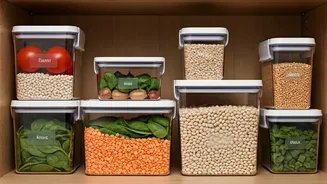
The FIFO principle works just as well for your dry goods. How many times have you bought a new bag of dal or a packet of biscuits, only to later find an older, unopened one hidden at the back of the shelf? To stop this, organise your pantry like a mini-supermarket shelf. When you buy a new packet of rice, masala, or lentils, place it behind the one you’re currently using. For items stacked in cans or jars, put the newest ones at the back. This system of stock rotation ensures that nothing gets lost in the dark corners of your cabinets for months (or years). A quick monthly check-in to pull older items forward can save you from rebuying things you already own and prevent pantry pests from taking hold in forgotten packages.
The Tangible Benefits of One Small Change
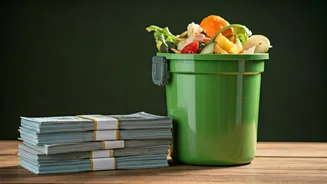
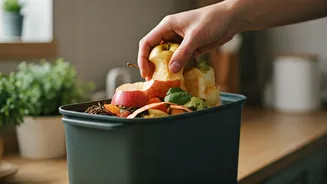
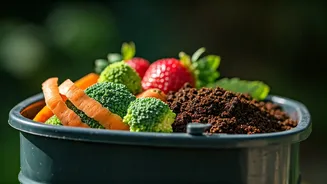
Adopting the FIFO habit has benefits that go far beyond just a tidier kitchen. The most immediate impact is on your wallet. Studies, including reports from the UN, show that a significant portion of food waste happens at the household level. In India, this figure is estimated to be around 50 kg per capita per year. By consuming what you buy, you’re directly cutting down on wasted money. Secondly, it reduces your environmental footprint. Food waste in landfills produces methane, a potent greenhouse gas. By preventing waste, you’re making a small but meaningful contribution to the environment. Finally, it reduces stress. Knowing what you have and that it’s all fresh makes meal planning quicker and grocery shopping more efficient. You’ll spend less time staring into the fridge wondering what to cook and more time enjoying your food.
Making It a Lifelong Habit
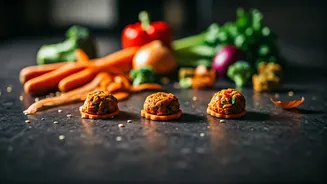
Like any new habit, consistency is key. At first, it might feel like a small chore to organise your groceries this way. But after a few weeks, it will become second nature. To make it stick, get the whole family involved. Explain the “Eat Me First” box to your kids so they know where to grab a quick snack. Turn it into a weekly ritual—for example, every Sunday, you could do a quick fridge and pantry shuffle. Another great way to reinforce the habit is by planning one “use-it-up” meal per week, where you get creative and build a dish entirely around ingredients that need to be finished.