


Makhan Mishri: The Quintessential Offering
No Janmashtami bhog is complete without Makhan Mishri. This delicacy is deeply symbolic, representing Krishna's mischievous childhood and his famous love for stealing freshly churned butter, which earned him the name 'Makhan Chor'. It is the simplest
yet most significant offering, requiring just two core ingredients: fresh, unsalted white butter (makhan) and rock sugar (mishri). The preparation involves churning cream to separate the butter or simply using good quality store-bought white butter, which is then gently mixed with crushed mishri. The beauty of this dish lies in its purity and the minimal effort required, embodying a direct and personal offering of love. It is served cold, and its creamy, mildly sweet taste is a divine treat.
Kheer: A Creamy Bowl of Comfort
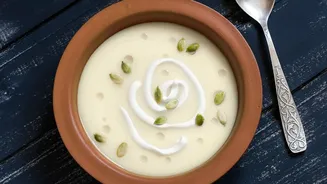
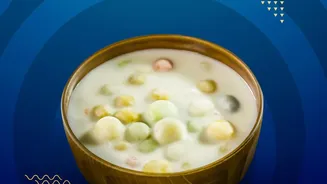
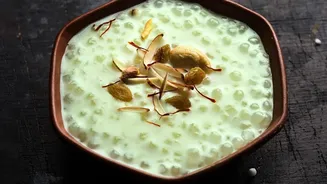
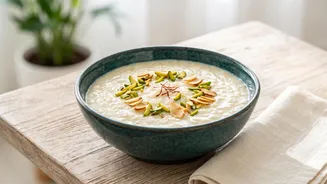
Kheer, or rice pudding, is a staple dessert in nearly every Indian festival, and Janmashtami is no exception. This comforting sweet is made by slow-cooking rice in full-fat milk until it becomes thick, creamy, and the grains are soft and mushy. Sweetened with sugar and delicately flavoured with cardamom powder and sometimes saffron, it’s a symbol of purity and devotion. The process of simmering the milk for an extended period allows it to reduce and develop a rich, complex flavour. Garnished with slivered almonds, cashews, and pistachios, a warm or chilled bowl of kheer is a delightful way to celebrate. Many households prepare it as the main sweet for the midnight feast to break the fast.
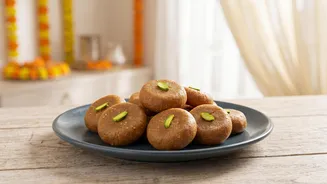
Peda: The Pride of Mathura
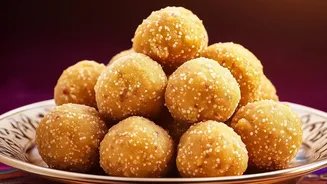
Originating from Mathura, the birthplace of Lord Krishna, pedas are an iconic festival sweet. These small, round, semi-soft milk fudge delights are a favorite offering. Traditionally made from khoya (milk solids), which is cooked with sugar until it thickens, the mixture is then flavoured with cardamom and saffron. The process can be time-consuming, as it often involves reducing milk for hours. However, quicker versions using milk powder or condensed milk have become popular, making it easier for home cooks to prepare this treat. Once cooled, the dough is shaped into small, flattened discs and often garnished with a pistachio or almond sliver. Its melt-in-the-mouth texture makes it a beloved prasad.
Rabri: Rich, Layered, and Luscious
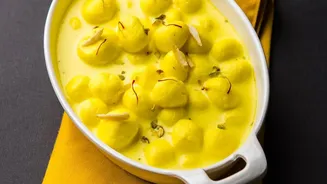
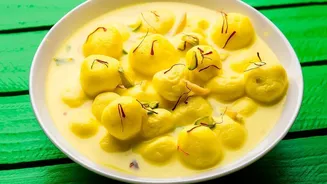
Rabri is a rich, decadent dessert that requires patience but rewards with unparalleled flavour. It is made by simmering full-fat milk in a heavy-bottomed, wide pan for a long time. As the milk boils, a layer of cream (malai) forms on the surface. This layer is carefully moved to the side of the pan. The process is repeated until the milk has significantly reduced and thickened, and layers of collected cream have built up. Finally, the reduced milk is sweetened with sugar, flavoured with cardamom and saffron, and the collected cream layers are mixed back in, giving rabri its signature lumpy, layered texture. Served chilled, this dessert is the epitome of indulgence and a testament to the slow-cooked magic of traditional Indian sweets.
Kalakand: The Grainy Milk Cake
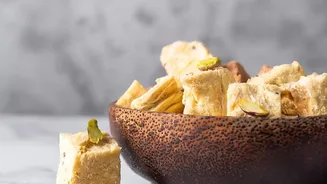
Kalakand, often called an Indian milk cake, offers a unique granular and moist texture that sets it apart. This sweet is made from solidified, sweetened milk and chenna (fresh paneer). The traditional method involves curdling milk and then cooking it with more milk and sugar until the mixture thickens and leaves the sides of the pan. For a quicker, more accessible home recipe, many now use a combination of grated paneer and condensed milk, which drastically reduces the cooking time to about 15 minutes. Flavoured with cardamom powder and sometimes rose water, the mixture is spread onto a greased tray, allowed to set, and then cut into squares. Garnished with chopped pistachios and almonds, Kalakand is a soft, succulent sweet that never fails to impress.