

Designate Your Zen Zone
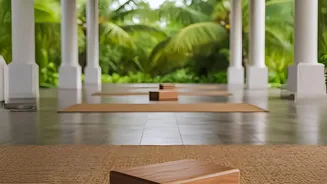
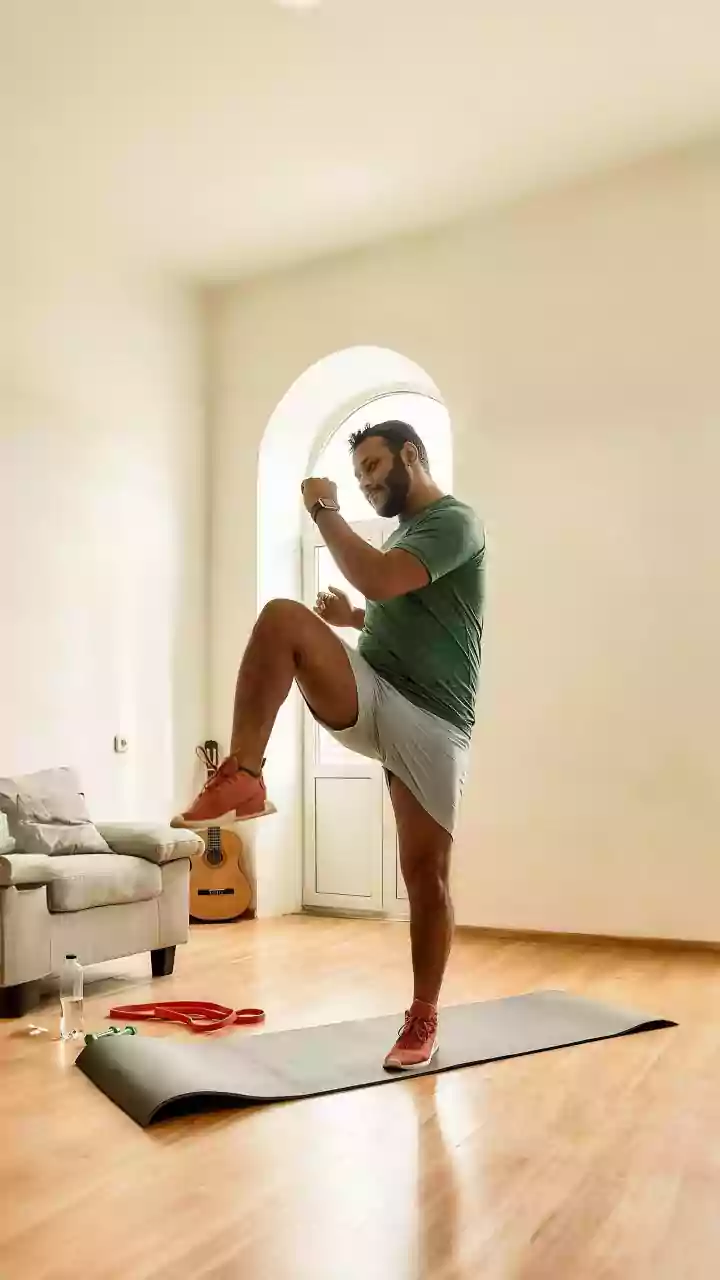
First, find a small, quiet spot. It doesn't need to be an entire room; a clutter-free corner in your bedroom or living room is perfect. The main requirement is enough space to roll out a mat (or a towel) and stretch your arms and legs without bumping
into furniture. Try to choose an area with natural light if possible, as this can elevate your mood. The simple act of clearing and dedicating a space, no matter how small, signals to your mind that it's time to unwind and focus. A clean, minimalist area helps reduce distractions and enhances peace of mind.
No Mat? No Problem
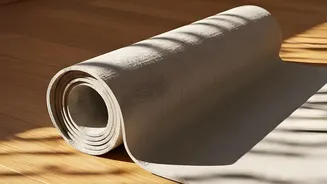
While a yoga mat provides non-slip cushioning, it's not essential when you're starting out. A carpeted floor can work well, offering enough softness for many poses. If you have hardwood or tile floors, a large, non-slip rug or even a thick beach towel can provide the necessary grip and comfort. The goal is to have a stable surface that prevents your hands and feet from sliding, so test out what you have. For certain poses, you may not need any surface at all, but having a designated spot helps create a ritual.
Yoga Blocks from Your Bookshelf
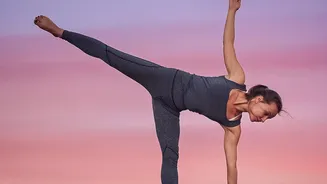
Yoga blocks are used to 'bring the floor closer to you', providing support in poses like forward folds or half-moon. A sturdy stack of thick, hardcover books makes an excellent substitute. You can tape them together with rubber bands to ensure they don’t slip apart during your practice. Other options include full water bottles, sturdy plastic containers, or even a small, overturned trash can. The key is to find objects of a similar height that are stable enough to support your weight.
Find Your Stretch with a Scarf or Belt
A yoga strap helps you deepen stretches, especially for tight hamstrings and shoulders. You don't need to buy one; just look in your closet. A bathrobe tie, a long scarf that you don't mind stretching, or any fabric belt will do the job perfectly. In poses where you're reaching for your feet, a strap alternative allows you to bridge the gap while maintaining good posture, preventing you from rounding your back. You can loop it around the ball of your foot in a seated forward bend or use it to gently guide your leg in a reclining hamstring stretch.
Cushions and Blankets as Bolsters
Bolsters are firm pillows used for support in restorative and gentle yoga. You can easily replicate this by rolling a few thick blankets or towels together tightly. Firm couch cushions or pillows can also provide the support needed to relax into poses like child's pose or a supported fish pose. For seated meditation, sitting on the edge of a folded blanket or a cushion elevates your hips, making it much more comfortable to maintain a straight spine.
Create Ambiance for Free
A peaceful atmosphere is a crucial part of the yoga experience, and it costs nothing to create. Dim the lights or practice by candlelight (ensuring it's placed safely away from flammable items). Use your phone or computer to play calming instrumental music or nature sounds. If you have an essential oil diffuser, a few drops of lavender or sandalwood can promote relaxation. Even just closing the door to signal you don't want to be disturbed can transform your practice from a simple exercise into a mindful retreat.