






An Enduring Tradition Meets Market Dynamics
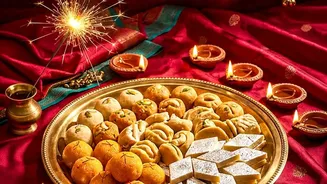
For millions of Indians, buying gold during festivals like Dhanteras and Diwali is more than just a transaction; it's a cherished ritual symbolising prosperity and good fortune. This period traditionally sees a significant uptick in demand for everything
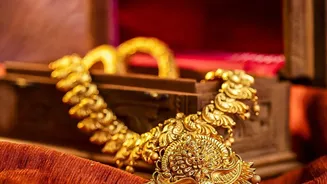
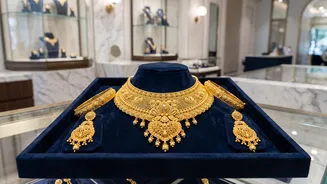
from tiny coins to elaborate jewellery sets. Culturally, gold is a safe-haven asset, a store of value passed down through generations, and an essential part of weddings and celebrations. This year, jewellers reported strong consumer interest, with preliminary estimates for Dhanteras sales alone reaching approximately Rs 60,000 crore. This robust demand highlights the deep-seated cultural importance of gold, even when market prices are volatile. The festive buying spree provides a crucial support layer to domestic prices, especially when global trends might be pointing downwards.
The Reality of This Year's Festive Prices
The headline figure of Rs 1.42 lakh for 10 grams of gold has certainly turned heads. This price point was indeed reached during the Dhanteras-Diwali period in early November 2026. However, it represented a peak from which prices then corrected. Data from November 8, Diwali day, showed 24-carat gold rates at around Rs 1,43,720 per 10 grams in major cities like Delhi. In the days following the festival's peak, prices saw a decline. By November 14, 24-carat gold was quoted at approximately Rs 1,40,632 per 10 grams. This dip provided an incentive for buyers who may have been waiting on the sidelines. In fact, some reports indicate that prices on Dhanteras (November 6) were around Rs 1,46,165, which then fell in the following week, meaning those who bought post-Diwali saw a better rate. So, while prices did hit the Rs 1.42 lakh mark and even higher, the market has been fluid, with a downward trend following the festive peak.
Decoding the Global and Local Price Drivers
The price of gold in India is not determined in a vacuum. It's a complex interplay of international and domestic factors. Globally, the policies of the U.S. Federal Reserve play a huge role; expectations of interest rate hikes can strengthen the U.S. dollar, which typically puts downward pressure on gold prices as the metal is priced in dollars. Geopolitical instability, on the other hand, often boosts gold's safe-haven appeal. Domestically, the USD/INR exchange rate is a critical factor. A weaker rupee makes gold imports more expensive, driving up local prices even if international rates are stable. Furthermore, the government's import duties, which currently stand at 15%, and local taxes like GST also add to the final cost for the consumer. This year's price volatility reflects these competing forces, with a strong dollar and interest rate concerns weighing on prices, while festive demand provided a floor.
Buyer Behaviour in a High-Priced Market
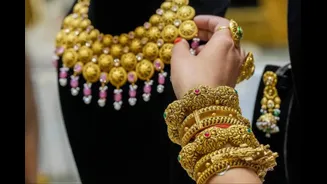
Despite the high prices, consumer demand was surprisingly resilient, though buying patterns have shifted. Reports indicate that while overall sales value increased, the volume of gold sold may have been slightly lower in some segments compared to previous years. There is a noticeable trend towards lightweight and high-utility jewellery. Consumers are opting for smaller, more practical pieces and even lower-purity gold like 14-karat or 18-karat to manage their budgets. This reflects a pragmatic approach: honouring tradition while being mindful of the cost. The correction from an even higher peak of around Rs 1.8 lakh earlier in the year actually encouraged buying, with some analysts noting a 30% jump in purchases during the festive window as consumers took advantage of the dip. This suggests that while absolute price levels are high, the direction of price movement is a powerful motivator for buyers.