








The Psychology of Scarcity
Unlike Millennials who entered the workforce during a period of relative optimism, Gen Z (born between 1997 and 2012) has come of age amidst significant economic turbulence. They’ve witnessed the gig economy’s rise, the instability of the pandemic years,
and persistent inflation that shrinks the value of their earnings before they even hit the bank. This has cultivated a mindset not of blind panic, but of pragmatic caution. For them, financial security isn't a distant retirement goal; it's an immediate, daily priority. This isn't your parents' 'save 10% of your salary' advice. This is a deep-seated need to build a financial cushion against a world they perceive as inherently unpredictable. The traditional Indian dream of a stable, lifelong job at one company feels like a relic of the past, replaced by the reality of contract work and the constant need to upskill.
From Conspicuous Consumption to Conscious Choices
The stereotype of youth being driven by brand names and logos is fading. Gen Z’s spending is increasingly value-driven. Before making a purchase, they are more likely to ask: Do I really need this? Is it sustainably made? Can I get it cheaper second-hand? This has fuelled a boom in the thrift economy, with online stores and Instagram pages dedicated to pre-loved fashion flourishing. It's a dual victory for them: it's lighter on the wallet and better for the planet. This 'conscious consumerism' extends beyond clothes to electronics, furniture, and more. They are less impressed by showing off wealth and more interested in experiences and investments that align with their personal values, a stark departure from the aspirational spending that defined previous generations.
The Rise of the 'Fin-fluencer'
Where did they learn all this? Not from a bank manager in a stiff suit. Gen Z’s financial education is crowdsourced from the internet. They follow 'fin-influencers' on YouTube, Instagram, and X (formerly Twitter) who break down complex topics like mutual funds, stock market investing, and tax-saving strategies into bite-sized, digestible content. Creators like Rachana Ranade and Ankur Warikoo have become household names, democratising financial literacy for millions. While this easy access to information is empowering, it comes with risks. The line between sound advice and risky financial promotion can be blurry, and the fear of missing out (FOMO) on the next trending stock can lead to impulsive decisions. Yet, for many, these digital mentors are the first accessible entry point into a world that once seemed opaque and intimidating.
Tech Is Their Financial Toolkit
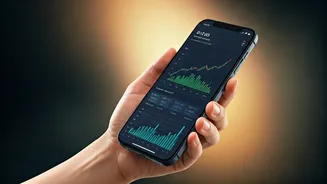
This generation’s financial rethinking is powered by technology. UPI is their default payment method, making every transaction seamless and trackable. They don't see investing as something you do when you're older; they see it as something you start now, with whatever you have. Fintech platforms like Zerodha, Groww, and Upstox have made it possible to start a Systematic Investment Plan (SIP) with as little as ₹500. The concept of 'micro-investing' is core to their strategy. Rather than waiting to accumulate a large sum, they invest small, regular amounts. Digital gold, fractional shares, and even cryptocurrencies are part of their diversified, digitally-native portfolios. They are comfortable navigating these apps and tools, viewing them as essential utilities for modern life.
The Hustle Is Non-Negotiable
Finally, rethinking the rupee isn’t just about spending less; it’s about earning more. The concept of a 'side hustle' is not a novelty for Gen Z; it’s a fundamental part of their financial plan. Relying on a single source of income is seen as a high-risk strategy. Whether it's through freelance content creation, running a small online business, tutoring, or participating in the gig economy, they are constantly seeking multiple income streams. This entrepreneurial spirit is born out of necessity but also ambition. It’s a proactive approach to building wealth, reflecting a belief that they must be the architects of their own financial stability, because no one else will do it for them.