


The Nutritional Powerhouse Awakens
For years, millets like ragi, jowar, and bajra were seen as humble, rural fare. Now, they are being celebrated as superfoods, and for good reason. Compared to the refined grains often found in processed cereals, millets are nutritional powerhouses. They
are packed with protein, dietary fibre, and essential minerals like calcium, iron, and magnesium. Finger millet (ragi), for example, has one of the highest calcium contents of any cereal. This high fibre content aids digestion, promotes feelings of fullness, and helps regulate blood sugar by slowing the release of glucose into the bloodstream. This makes them an excellent choice for managing weight and for individuals with diabetes.
The Problem with the Cereal Box
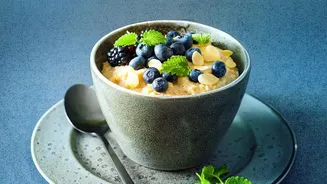
While convenient, many popular breakfast cereals lining supermarket shelves come with a hidden cost: high sugar content and heavy processing. This can lead to a quick spike in blood sugar followed by a crash, leaving you feeling tired and hungry sooner. In contrast, whole grains like millets offer a low-glycemic index, providing a steadier, more sustained release of energy to power your morning. The shift away from these boxes is part of a larger wellness trend where consumers are demanding cleaner labels, fewer processed ingredients, and foods that offer tangible health benefits.
Why Idlis and Appams are the Perfect Vehicle
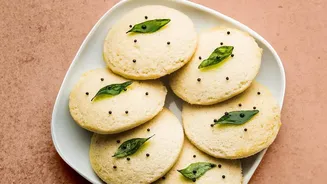
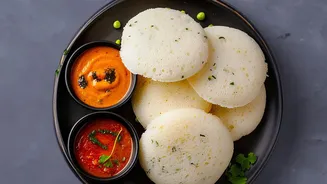
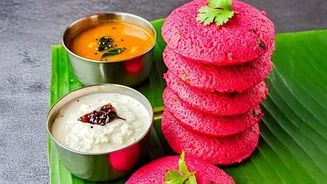
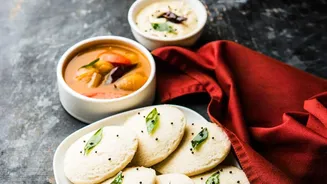
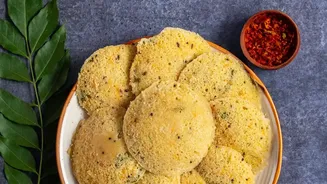
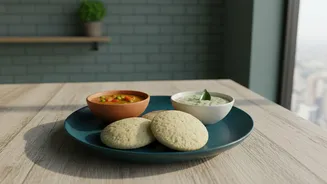
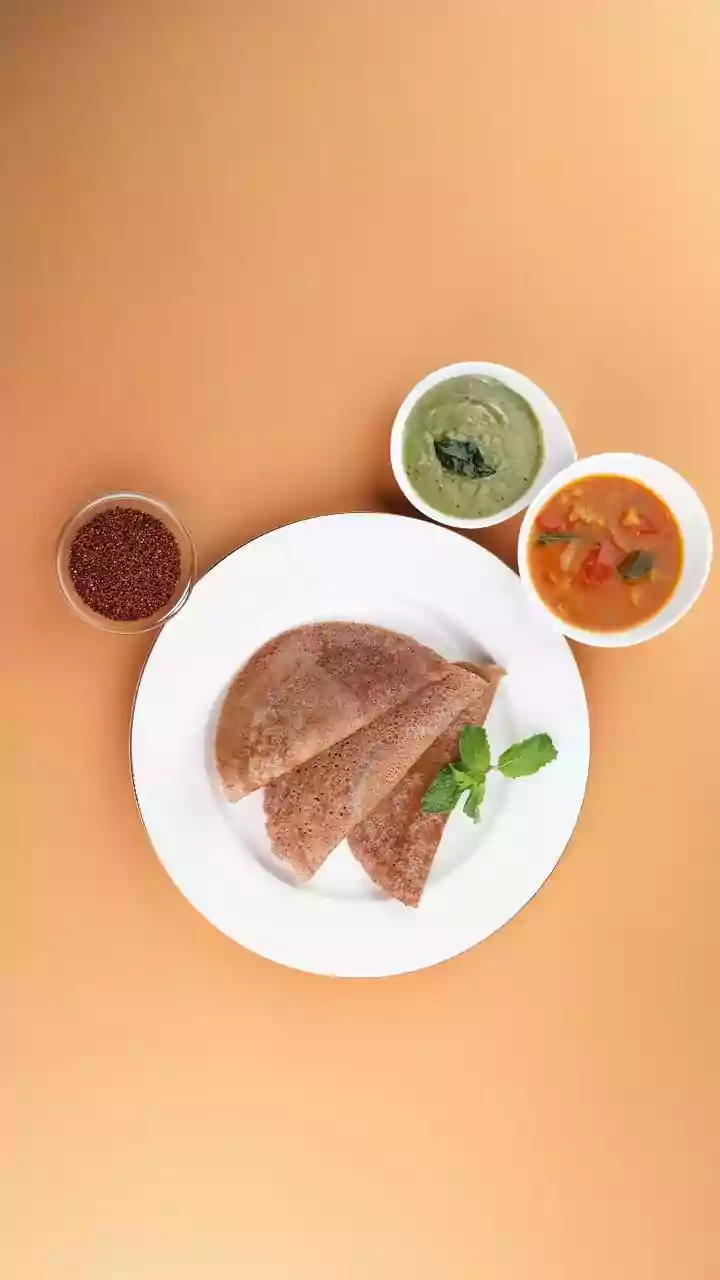
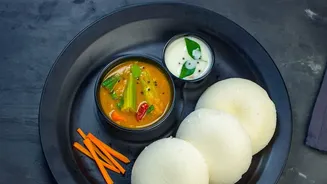
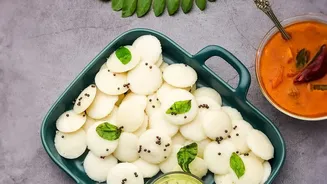
So why are idlis and appams the chosen vessel for this millet revolution? The answer lies in their preparation. Both are made from a batter that is fermented and then steamed, not fried. The fermentation process does more than just make the batter rise; it acts as a form of pre-digestion, breaking down starches and proteins into more easily absorbable molecules. This process also creates beneficial probiotics, which support a healthy gut microbiome, improve digestion, and can even boost immunity. Steaming, meanwhile, is a gentle cooking method that retains nutrients without adding unhealthy fats. When you combine the familiarity and digestive benefits of these traditional dishes with the nutritional superiority of millets, you get a breakfast that is both comforting and incredibly healthy.
A Push from the Top, A Pull from the Ground
This revival isn't just a grassroots movement. It has been significantly boosted by government initiatives. India championed the UN's declaration of 2023 as the 'International Year of Millets', sparking a nationwide campaign to raise awareness. This has put millets back in the spotlight, encouraging chefs, food companies, and home cooks to innovate. Restaurants are creating millet-based menus, and brands are launching everything from millet pasta to beer. This has made the ancient grains more accessible and aspirational for urban consumers who are eager to reconnect with their culinary heritage while embracing modern health trends.
From 'Coarse' Grain to 'Smart' Food
Historically, millet consumption in India declined after the Green Revolution, as rice and wheat became dominant staples. They were often dismissed as "coarse grains" or food for rural areas. However, this perception is rapidly changing. A 2021 survey of urban Indians found that health concerns were the single biggest driver for people to adopt millets. As awareness grows, urbanites are realizing that these grains are not just a nostalgic nod to the past, but a smart, sustainable choice for the future. Millets are climate-resilient crops that require less water and can grow in arid conditions, making them an environmentally friendly option as well.