

The Takeout Gamble We Keep Losing
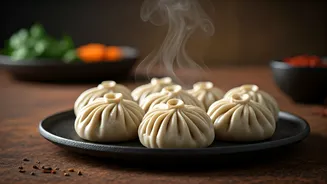
Let’s be honest. Ordering momos is a lottery. Sometimes you hit the jackpot: a plate of perfectly steamed, juicy dumplings with a fiery chutney that makes you feel alive. But more often than not, it’s a letdown. You get thick, leathery wrappers that taste
more of raw flour than anything else. The filling is a sad, dry, mysterious mince. The 'chutney' is a sweet, ketchupy concoction that has no business being near a dumpling. We accept this mediocrity because of convenience, but at what cost to our momo-loving souls? That feeling of anticipation turning into quiet regret is a uniquely modern tragedy. The truth is, the industrial scale of takeout kitchens often prioritises speed and cost over the delicate craft that a great momo requires.
It Starts with the Wrapper
The single greatest crime of a bad momo is its wrapper. A perfect momo wrapper should be a delicate, almost translucent veil that is just strong enough to hold its precious cargo. It should be tender and chewy, providing a textural contrast to the juicy filling without dominating the experience. This is nearly impossible to achieve in a mass-production setting. Takeout momos often sit around, their wrappers steaming themselves into a doughy, gummy mess. Or worse, they are made with thick, machine-pressed skins designed for durability, not delight. When you make them at home, you control the thickness. Rolling out your own dough (or using good quality store-bought wrappers and rolling them thinner) allows you to achieve that perfect, delicate skin that makes a momo truly sing. It’s the difference between a coat and a blanket.
The Soul of the Momo: The Filling
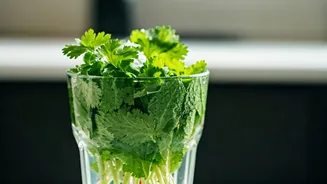
What’s inside counts, and nowhere is this truer than with momos. The joy of a homemade momo is knowing exactly what you’re eating. No mystery meat, no limp, flavourless vegetables. You get to choose high-quality minced chicken, pork, or a vibrant mix of finely chopped cabbage, carrots, onions, and mushrooms. You control the seasoning. Want it spicier? Add more chilli. Want it more aromatic? Add fresh ginger, garlic, and coriander. The key to a succulent filling is fat and moisture. At home, you can use chicken thigh mince instead of lean breast, or add a little butter or oil to your vegetable mix. The most transformative trick? Adding a bit of stock or water to the filling. As the momo steams, this creates a flavourful broth inside, leading to that glorious 'soup dumpling' explosion of juice when you take a bite—a sensation rarely found in its dry, takeout counterpart.
The Chutney Is Not an Afterthought
A momo is incomplete without its chutney. It’s the fiery, tangy counterpoint that cuts through the richness of the filling. Too many restaurants serve a lazy, sweet red sauce that insults the very idea of a momo accompaniment. A true momo chutney is a thing of beauty and power. At home, you can create a universe of flavour in under ten minutes. The classic tomato-chilli-garlic chutney is a simple blend of roasted tomatoes, dried red chillies, garlic, and a touch of vinegar or lemon juice. It’s vibrant, spicy, and sings with freshness. You can make it as fiery or as mild as you like. You can experiment with sesame, peanuts, or Szechuan peppercorns. This bespoke sauce elevates your homemade momos from a simple snack to a gourmet experience. It turns a meal into an event.
More Than a Meal, It's an Experience
Making momos might sound intimidating, but it’s a surprisingly meditative and rewarding process. It’s a craft. The rhythmic task of filling and pleating each little parcel is deeply satisfying. Better yet, it’s a perfect group activity. Get your family or friends involved, form an assembly line, and turn your kitchen into a momo-making party. The conversation flows as easily as the chutney. The end result isn’t just a plate of superior dumplings; it's a shared memory and a sense of accomplishment. You haven’t just eaten food; you’ve created it. And that satisfaction tastes better than any takeout ever could.