



More Than a Rustic Trend
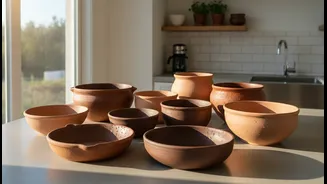
The return to earthenware is deeply tied to a larger shift in our approach to food and wellness. In recent years, many home cooks have become more mindful, seeking natural, chemical-free options and a deeper connection to their culinary heritage. Unlike
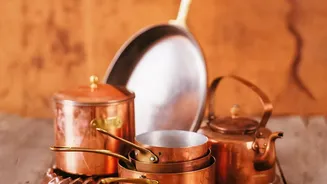
modern non-stick pans, which can contain synthetic coatings, clay pots are made from pure earth, offering a non-toxic way to cook. This renewed interest is not just about rejecting the new but about rediscovering the time-tested wisdom of ancient practices. The slow food movement, which champions unhurried and conscious meal preparation, finds its perfect partner in the gentle heat of a clay pot. This trend signifies a desire for authenticity, both in the ingredients we use and the vessels we cook them in.
The Science of Superior Flavour
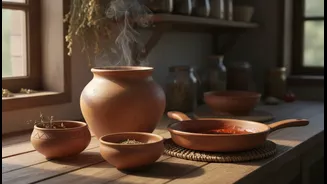
There's a reason food cooked in a clay pot tastes uniquely delicious. The magic lies in its porous nature. Clay allows heat and moisture to circulate slowly and evenly throughout the pot, which prevents hot spots and scorching that can happen with metal pans. This even distribution cooks food gently in its own juices, preserving delicate nutrients, vitamins, and minerals that are often lost with high-heat cooking methods. The result is food that is not only more nutritious but also has a deeper, more complex flavour profile. Furthermore, clay is naturally alkaline, which helps neutralize the acidity in foods like tomatoes, making dishes easier to digest. This unique property also means you can often use less oil, making for a healthier meal overall.
A Taste of Indian Tradition
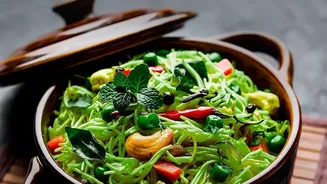
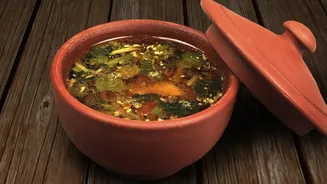
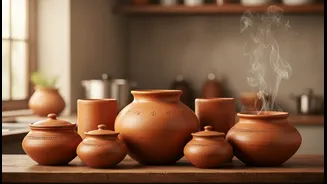
For centuries, earthenware has been central to Indian cuisine, with vessels like matkas and handis being used for everything from setting curd to slow-cooking biryanis and curries. The use of clay cookware dates back thousands of years in the subcontinent, prized for its ability to perfectly execute the slow-cooking methods essential to many regional dishes. Cooking in a handi imparts a distinct earthy aroma that is impossible to replicate in a metal pot. Dishes like dal makhani, fish curry, and various meat preparations achieve a melt-in-the-mouth texture and a beautiful melding of spices when simmered for hours in clay. By bringing earthenware back into our kitchens, we are not just reviving a cooking technique; we are reconnecting with a rich culinary legacy.
Getting Started: Choosing and Caring for Your Clay Pot
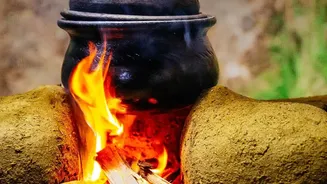
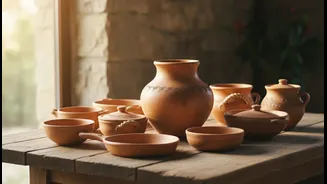
Ready to try it yourself? The first step is to season your new pot. This typically involves soaking it in water for several hours, allowing it to dry, and sometimes cooking a starchy mixture like rice water in it to seal the pores. When it comes to cleaning, always let the pot cool down completely before washing to avoid thermal shock, which can cause cracks. It's best to avoid harsh soaps and detergents, as the porous clay can absorb them. Instead, use warm water, a soft brush, and natural cleaners like baking soda for any tough spots. Always start cooking on a low flame and increase the heat gradually. With proper care, a good clay pot can become a cherished part of your kitchen for years.