





An Unseen Consequence of a Visible Crisis
For families across the Delhi-NCR region, the annual winter pollution season brings a familiar routine: checking the Air Quality Index (AQI), sealing windows, and restricting outdoor activities. This year, with authorities implementing GRAP Stage III
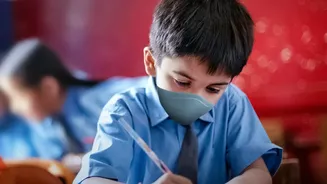
measures, many schools have moved classes for younger students to a hybrid or fully online mode. But beyond the well-documented physical harm of breathing polluted air—from respiratory illnesses to developmental delays—experts are now highlighting a less visible but equally damaging consequence: a surge in anxiety among children. The very measures designed to protect their physical health are inadvertently creating a perfect storm for psychological distress.
The Confined Classroom and Digital Fatigue
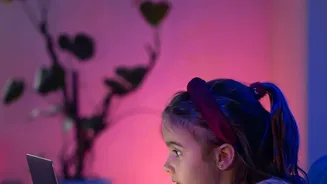
Being forced indoors is more than just an inconvenience; it represents a fundamental disruption to a child's life. The shift to online classes, while necessary, tethers children to screens for extended periods, replacing face-to-face peer interaction with virtual interfaces. This leads to what many psychologists call digital fatigue. A study conducted by Delhi's planning department during the pandemic found that 50% of students felt 'irritated and frustrated' with online learning. Experts note that the lack of social connection, peer support, and the monotonous nature of online education can significantly increase stress and anxiety. Children lose the subtle but crucial social cues and emotional support systems that a physical school environment provides, leading to feelings of isolation.
When Home Becomes a Cage
For children, home is meant to be a safe base, not a boundary. When they are unable to go outside to play, meet friends, or simply run around, their world shrinks dramatically. This confinement, coupled with the constant awareness of an invisible threat outdoors, can breed significant anxiety. Studies and expert observations show a rise in behavioural issues like irritability, sleep disturbances, and social withdrawal in children forced to stay indoors for long stretches. A survey by NGO Chintan revealed that nearly 70% of children in Delhi-NCR felt stressed and worried due to poor air quality, with 77% reporting feelings of anxiety, irritation, or fear. The inability to engage in normal childhood activities like outdoor play creates a sense of loss and restriction that their developing minds struggle to process.
The Science of Pollution and Anxiety
The link between air pollution and mental health is not just circumstantial; it's biological. Growing research shows that fine particulate matter (PM2.5) can cross into the bloodstream and affect the nervous system, potentially triggering inflammation in the brain. Studies have found associations between exposure to air pollution and higher rates of anxiety, depression, and other psychiatric disorders in children and adolescents. The developing brains of children are particularly vulnerable. Dr. Neeraj Kumar Gupta of Safdarjung Hospital has noted that as the AQI increases, the mental strength of children can decrease. This physiological stress, combined with the psychological stress of confinement, creates a dual assault on a child's mental state.
What Can Parents Do?
While the larger problem requires systemic policy changes, parents are left to manage the immediate fallout. Experts suggest that creating structure and routine is paramount. This includes setting specific times for learning, playing, eating, and sleeping to restore a sense of predictability. Encouraging non-screen-based indoor activities, from board games to creative projects, can help break the monotony. Perhaps most importantly, fostering open conversations is key. Parents should talk to their children about their feelings of frustration or anxiety, validating their emotions rather than dismissing them. It's also crucial for parents to manage their own anxiety, as children often mirror the emotional state of their caregivers. Building a supportive and communicative environment at home can act as a crucial buffer against the stresses of the outside world.