









Beyond Silos: A New Philosophy of Health
The emerging consensus in wellness is that our bodies don't operate in neat little boxes. Instead, they are complex, interconnected systems where diet, exercise, sleep, and mental state constantly influence one another. Thinking of these as separate pillars
is an outdated model. The new approach recognizes that a change in one area—like improving sleep quality—can create a positive cascade, making it easier to exercise, make better food choices, and manage stress. This holistic view encourages us to focus on habits that serve multiple functions, creating a more efficient and sustainable path to well-being.
The Gut-Brain Axis: You Are What You Eat, and Feel
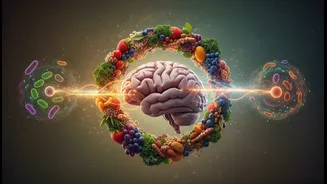
One of the clearest examples of this interconnectedness is the gut-brain axis. What we eat does more than just fuel our bodies; it directly impacts our mood and cognitive function. Diets rich in fruits, vegetables, and whole grains, like the Mediterranean diet, have been linked to a lower risk of depression. Conversely, diets high in processed foods and sugar can contribute to inflammation and negatively affect mental health. Essential nutrients such as B vitamins and magnesium are crucial for brain function. This isn't just about avoiding 'bad' foods but actively including 'good' ones that nourish the trillions of microbes in your gut, which in turn help regulate everything from your mood to your immune system.
Sleep: The Foundational Pillar
For a long time, sleep was seen as a passive state of rest. Now, it's understood as the active foundation upon which all other aspects of health are built. Research increasingly shows that sleep quality is even more important than quantity for mental well-being. During quality sleep, your body repairs muscles, consolidates memories, regulates hormones, and clears metabolic waste from the brain. Skimping on sleep doesn't just make you tired; it disrupts your appetite hormones, weakens your immune response, impairs judgment, and heightens emotional reactivity. Prioritizing a consistent sleep schedule is one of the most powerful whole-body habits you can adopt.
Movement for More Than Muscle
Exercise is often framed as a tool for weight management, but its benefits for the mind are just as profound. Regular physical activity is a potent way to reduce stress, anxiety, and symptoms of depression. Movement releases endorphins, often called the body's 'feel-good' chemicals, which naturally boost your mood. It also helps regulate the stress hormone cortisol. You don’t need to spend hours at the gym; even 30 minutes of daily walking can significantly improve both physical and mental health. Thinking of exercise as a way to care for your brain can be a powerful motivator to stay consistent.
Social Connection: The Overlooked Nutrient
Perhaps the most significant evolution in recent health guidance is the growing recognition of social connection as a critical component of a healthy life. Feeling connected to others, having supportive relationships, and belonging to a community can lower the risk of numerous chronic diseases, including heart disease and dementia. Loneliness and social isolation are now considered major public health concerns, with impacts comparable to smoking or obesity. Strong social ties provide emotional support, reduce stress, and can even encourage healthier behaviours. Making time for friends, family, and community isn't an indulgence; it's a vital health habit.