







A Different Kind of Itinerary
For generations, the international trip for many Indian families followed a familiar script: a whirlwind tour of European capitals or a shopping-centric jaunt to Dubai or Singapore. The goal was often to see as much as possible, ticking off landmarks
and filling suitcases. But a significant shift is underway, led by a younger, more globally-connected generation of Indians. They aren't just looking for photos; they’re hunting for authenticity. And for a growing number, that search is leading them to the lush, mountainous region of northern Thailand, specifically to the kitchens of Chiang Mai.
From Viewer to Creator
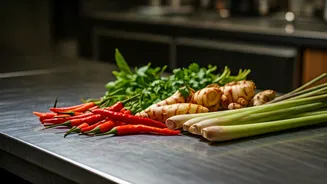
This isn't your standard vacation. Instead of packed tour buses, these travelers are booking half-day and full-day cooking workshops. The itinerary starts not at a temple, but at a local market, learning to identify the alien-looking galangal root, the fiery bird's eye chilis, and the fragrant kaffir lime leaves. Guided by local chefs, they pound curry paste in a stone mortar, master the art of the wok-tossed Pad Thai, and learn the delicate balance of sweet, sour, salty, and spicy that defines Thai cuisine. This movement is a direct response to a culture saturated with food media. After years of watching Anthony Bourdain explore street food stalls and binging Netflix’s “Chef’s Table,” these young Indians don't just want to eat great food—they want to understand it and create it themselves. The experience is hands-on, immersive, and deeply personal.
Why Chiang Mai?
While Thailand has long been a popular destination for Indians, the draw was typically the beaches of Phuket or the nightlife of Bangkok. Chiang Mai represents a different, more soulful side of the country. It has successfully branded itself as a global hub for wellness, creativity, and, most importantly, food. The city is teeming with high-quality, English-language cooking schools that offer a polished yet authentic-feeling experience at a price point that remains highly accessible. A week-long trip to Chiang Mai, including flights, accommodation, and a few cooking classes, can be significantly more affordable than a comparable experience in Europe or the U.S. This combination of cultural depth, established tourism infrastructure, and value makes it the perfect entry point for experiential travel.
The New Souvenir Is a Skill
The trend also speaks to a broader change in consumer values among India’s upwardly mobile urbanites. In a world of digital clutter and mass-produced goods, the value of a tangible skill or a unique memory has skyrocketed. Bringing home the ability to cook a perfect green curry for your friends is seen as a far more impressive and lasting souvenir than a factory-made elephant statue. It’s a form of cultural currency. Posting photos of a market tour or a perfectly plated dish of mango sticky rice on Instagram isn't just a vacation update; it’s a declaration of a certain kind of worldliness—one that values doing over just seeing, and learning over just buying. This travel is about personal growth and enrichment, not just escapism.
A Taste of Global Citizenship
Ultimately, the image of young Indian professionals meticulously chopping vegetables in a Thai cooking school is a powerful symbol of a new era in global travel. It reflects the rising economic confidence of India's youth and their desire to engage with the world on their own terms. They are not passive consumers of a pre-packaged tourist product. They are active participants, curators of their own adventures, seeking to connect with other cultures in a meaningful, hands-on way. They are flying thousands of miles not just to see the world, but to taste it, learn from it, and bring a piece of it home with them in the form of a well-worn recipe and a story to tell.