








A Monsoon Kitchen Revival
The connection between the rainy season and a steaming cup of adrak chai or a bowl of spicy rasam is deeply ingrained in Indian culture. This year, there is a noticeable return to the fundamentals of our own kitchens. The comeback of seasonal spices is less
a trend and more a rediscovery of traditional wellness principles. According to Ayurveda, the monsoon, or 'Varsha Ritu', is a time when our digestive fire ('agni') is weaker and our immunity can be compromised. This makes our bodies naturally crave foods that are warm, light, and easy to digest. Spices are central to this, acting not just as flavouring agents but as natural remedies to keep us balanced and healthy during the damp, cool weather.
Turmeric: The Golden Healer
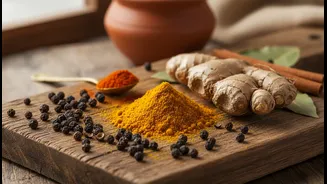
Turmeric, or haldi, is the undisputed star of the monsoon kitchen. Its active compound, curcumin, is celebrated for its powerful anti-inflammatory and antioxidant properties. During a season notorious for a rise in infections, turmeric acts as a natural immunity booster. It helps the body defend against colds and flu, which are common during this time. Enjoying a cup of 'haldi doodh' before bed is a timeless remedy for a sore throat and body aches. In cooking, its earthy warmth forms the base of countless comforting dals and curries, making it an indispensable shield against seasonal ailments. Recent studies also highlight its role in easing joint pain, which can feel more pronounced in damp weather.
Ginger: The Warming Digestive Aid
There is a reason why ginger-infused tea is the quintessential monsoon beverage. Ginger is a powerhouse when it comes to aiding digestion, a key concern during the rainy season. Its primary bioactive compound, gingerol, provides a warming effect that soothes the stomach and can help relieve nausea and bloating. Beyond digestion, its potent antiviral and antibacterial properties make it a first line of defence against sore throats and respiratory congestion. Whether it's grated into a simmering soup, added to a vegetable stir-fry, or brewed into a comforting tea, ginger provides a zesty kick that both enlivens food and fortifies the body.
Pepper, Cloves, and Cinnamon: Aromatic Protectors
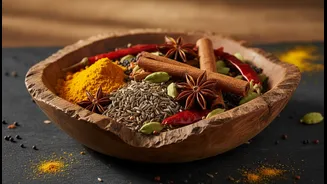
This trio of 'warm' spices is essential for any rainy-day meal. Black pepper does more than just add heat; its key compound, piperine, significantly enhances the absorption of other nutrients, most notably curcumin from turmeric. It also helps clear congestion. Cloves are known for their strong antiseptic and antimicrobial properties, helping to fight off infections. Their distinct, pungent aroma adds depth to dishes like pulao and biryani. Cinnamon, with its sweet and woody flavour, helps regulate blood sugar and offers anti-inflammatory benefits. Together in a garam masala, these spices don't just create complex flavour; they work in synergy to protect and warm the body from within.
From Spices to Staples
The resurgence of these spices is best seen in the simple, comforting dishes that define monsoon eating. Khichdi, a one-pot meal of rice and lentils, becomes a nourishing powerhouse with a tempering of cumin, turmeric, and ginger. It's light on the stomach and deeply satisfying. Vegetable soups and broths like rasam are elevated with black pepper and garlic, turning them into potent remedies for a cold. Even simple snacks get a healthy twist; think of roasted corn on the cob seasoned with spiced lemon, or baked pakoras made with a batter infused with ajwain and turmeric. This return to tradition is about making food that doesn't just taste like home, but also feels like a warm, protective hug.