




The Anatomy of the WFH Slump
Working from home offers flexibility, but it often chains us to our desks for longer than we realise. The lines between our living space and workspace blur, leading to a more sedentary lifestyle. Without the natural breaks of a commute or walks to the office
pantry, our bodies can stagnate. This physical inactivity is a primary cause of the dreaded afternoon slump. Blood flow slows, muscles tighten, and our brains, starved of oxygen and stimulation, begin to feel foggy and sluggish. Reaching for another cup of chai or coffee might seem like the answer, but it's a temporary fix that can lead to a crash later. The real solution lies in restarting your engine, not just refuelling it.
Why Wall Squats Work Wonders
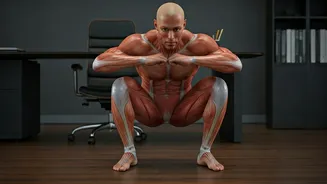
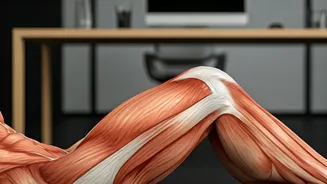
Enter the humble wall squat, or wall sit. It’s an isometric exercise, which means you hold a static position while your muscles are under tension. This simple act has a profound impact. By engaging the largest muscle groups in your body—the quadriceps, glutes, and hamstrings—you trigger an immediate demand for energy and oxygen. Your heart rate increases slightly to pump more blood to these muscles, which in turn boosts circulation throughout your entire body, including to your brain. This rush of freshly oxygenated blood acts like a natural reset button, cutting through mental fog and providing a clean, sustainable burst of energy. Unlike a caffeine jolt, this energy is generated by your own body, leaving you feeling alert and refreshed without the jitters.
Your Two-Minute Guide to Perfect Form
Doing it right is key to getting the benefits without straining your back or knees. It takes less than 30 seconds to get into position, so you can focus the rest of your two minutes on the hold. 1. **Find Your Wall:** Stand about two feet away from a flat, sturdy wall. 2. **Position Your Back:** Lean back until your entire back, from your shoulders to your lower spine, is pressed firmly against the wall. 3. **Walk Your Feet Out:** Place your feet shoulder-width apart and walk them forward. Keep them flat on the floor. 4. **Slide Down:** Slowly slide your back down the wall until your thighs are parallel to the floor, as if you're sitting in an invisible chair. Your knees should be directly above your ankles, forming a 90-degree angle. Never let your knees extend past your toes. 5. **Engage and Hold:** Keep your back flat against the wall, engage your abdominal muscles, and hold the position. Breathe deeply and steadily. Aim to hold for 30 seconds, rest for 10, and repeat until your two minutes are up. If you're a beginner, start with shorter holds and build up.
Make It a Powerful Habit
The magic of the two-minute wall squat isn't just in the exercise itself, but in its consistency. The goal is to make it a non-negotiable part of your remote workday. Try linking the habit to an existing trigger. For example, decide to do a wall squat after every long video call, or right after you finish your lunch. You can also set a recurring alarm for 3 PM, turning the peak slump time into your dedicated reset moment. By turning this simple action into a routine, you're not just fighting fatigue in the moment; you're actively building a healthier, more dynamic work-from-home structure that benefits both your body and your productivity.
More Than Just an Energy Boost
While the immediate energy kick is the main attraction, the benefits of regular wall squats run deeper. This exercise is a fantastic way to build functional lower-body and core strength without any equipment. Stronger leg muscles provide better support for all your daily activities, while an engaged core helps improve your posture, counteracting the hours spent hunched over a laptop. There's also a mental component: holding the position requires focus and resilience, serving as a mini-meditation that builds mental toughness. It's a small investment of time that pays huge dividends for your physical and mental well-being.