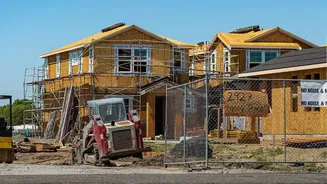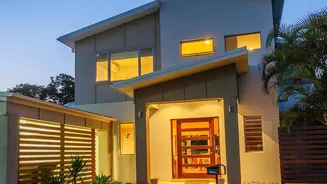








The Cost and Pricing Structure
New construction homes, especially those bought in a pre-launch phase, can offer significant cost advantages and early-bird discounts as developers aim to secure initial funding. However, the base price often excludes numerous hidden costs that can add
up, such as charges for floor rise, preferential location, parking, initial maintenance deposits, and GST on under-construction properties. Redeveloped properties, on the other hand, are often located in prime, established areas where land for new projects is scarce. While the ticket price might seem comparable, the payment structure can be less flexible, often requiring a larger lump sum payment upfront. The key financial benefit is potentially acquiring a modern home in a coveted locality that would otherwise be unaffordable.
Location, Infrastructure, and Community
This is a major differentiator. Redevelopment projects typically happen in mature, well-connected neighbourhoods. This means you inherit a fully developed social infrastructure: established schools, hospitals, markets, and public transport are already in place. You remain in a familiar community, which is a significant plus for many families. New construction projects are frequently located in developing suburbs on the outskirts of cities. While they promise future growth, buyers may have to contend with developing infrastructure, longer commutes, and a nascent community for the first few years. The trade-off is often more space and greenery for the price, but at the cost of immediate urban convenience.
Construction, Amenities, and Lifestyle
New homes are built with modern materials and adhere to the latest building codes, offering better energy efficiency and safety features. They almost always come with a package of contemporary amenities like a clubhouse, gym, swimming pool, and landscaped gardens. Buyers who get in early may also have the option to customise layouts and finishes. Redeveloped properties also result in a brand-new building with modern specifications, but the amenities are often limited by the plot size. Standalone redeveloped buildings may lack the expansive common facilities of a large new township. However, they replace a deteriorating structure with one that is safer and more comfortable.
Legal Checks and Regulatory Oversight
Both property types require rigorous due diligence, but the specifics differ. For new projects, verifying the developer's track record and RERA registration is paramount. The Real Estate (Regulation and Development) Act, 2016, provides a safety net by mandating project registration, transparent timelines, and financial discipline. Redevelopment projects carry a more complex legal history. It is crucial to verify that the developer has a clear title, has signed a registered development agreement, and obtained consent from the original society members. The project's sale component must also be RERA-registered. Delays in redevelopment can stem from disputes between original members or the developer's financial instability, making a thorough check of the developer's execution history essential.
Timeline to Possession
The wait time is a critical factor. New, under-construction projects can face significant delays, tying up your capital and forcing you to pay both rent and EMIs for an extended period. While RERA provides recourse for delays, the process can be lengthy. Redeveloped properties also have a construction timeline, and project delays are a known risk that buyers must be aware of. However, if you are buying an apartment in a building that is already well into its redevelopment cycle, the timeline to possession might be shorter and more predictable than a new project that is just breaking ground. The ideal scenario is a ready-to-move-in property, whether new or redeveloped, as it eliminates all uncertainty around timelines.