


What Exactly Is an Olla?
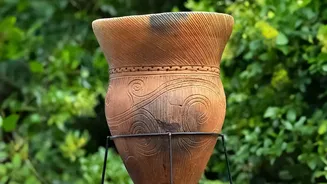
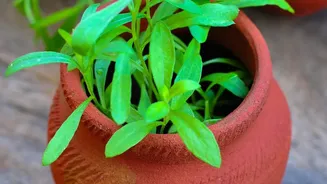
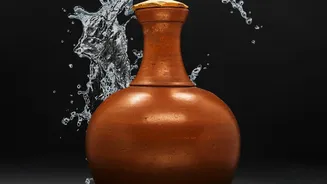
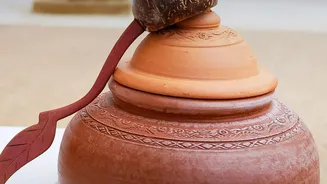
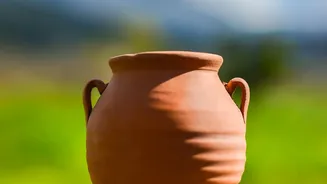
An olla, pronounced ‘oy-yah’, is a deceptively simple and ancient irrigation tool. It's an unglazed, porous terracotta pot that is buried in the soil, with only its neck or opening remaining visible. You fill the pot with water, and its work begins. This
method of irrigation has been used for thousands of years in arid climates around the world, from North Africa and China to the Americas. It represents a form of ancient wisdom perfectly suited for today’s water-conscious gardener. Think of it as a personal, subterranean water reservoir for your plants.
The Science of Slow-Sip Hydration
The magic of the olla lies in a natural process called soil moisture tension. Because the clay is unglazed and porous, water can slowly seep through its walls. However, the water doesn't just leak out uncontrollably. Instead, the surrounding dry soil 'pulls' the water out of the pot as needed. When the soil is moist, for instance after a rain, the water stays inside the olla. This creates a self-regulating system where plants get a consistent, steady supply of moisture directly at their roots, which grow towards the water source. This 'slow-sip' method is incredibly efficient.
The Balcony Gardener’s Best Friend
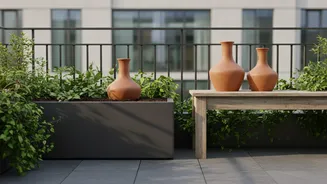
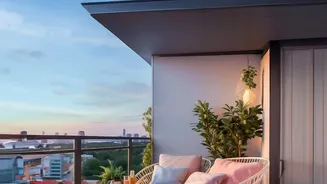
For small balcony gardens, often in containers that dry out quickly, the olla is a game-changer. Firstly, it saves a tremendous amount of water—some reports suggest up to 70% compared to surface watering—because there is virtually no runoff or evaporation. Secondly, it saves you time and worry. Instead of daily watering, you may only need to refill the olla once or twice a week, depending on the pot size, plant needs, and weather. This consistency prevents the wet-dry stress cycle that can harm plants like tomatoes, leading to healthier growth. Finally, by keeping the soil surface dry, you can reduce weed growth and deter some pests that thrive in damp conditions.
How to Use an Olla in Your Pots
Getting started with an olla in a container is simple. For most small to medium pots (up to about 24 inches), one small olla is sufficient. When potting up your plant, bury the olla in the centre of the container, leaving the neck exposed. Plant your seedlings or plants around it. Gently pack the soil to ensure good contact with the olla's surface. Give the entire pot a good initial watering to settle everything in, then fill the olla with water. It's crucial to place a lid or a flat stone over the olla’s opening. This prevents evaporation, keeps debris out, and stops mosquitoes from breeding inside.
Choosing Plants and Ollas
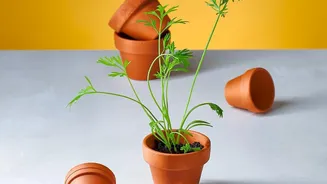
Ollas come in various sizes, from small spikes perfect for a single houseplant to larger, multi-gallon vessels for garden beds. For most balcony containers, a small, purpose-built olla will work best. You can even make your own by gluing the drainage holes of two small, unglazed terracotta pots together. This system is ideal for plants with fibrous root systems that seek out water, such as tomatoes, peppers, herbs like basil and mint, and many flowers. The consistent moisture encourages deep, dense root growth, which leads to stronger, more productive plants.