




What Makes a Food ‘Ultra-Processed’?
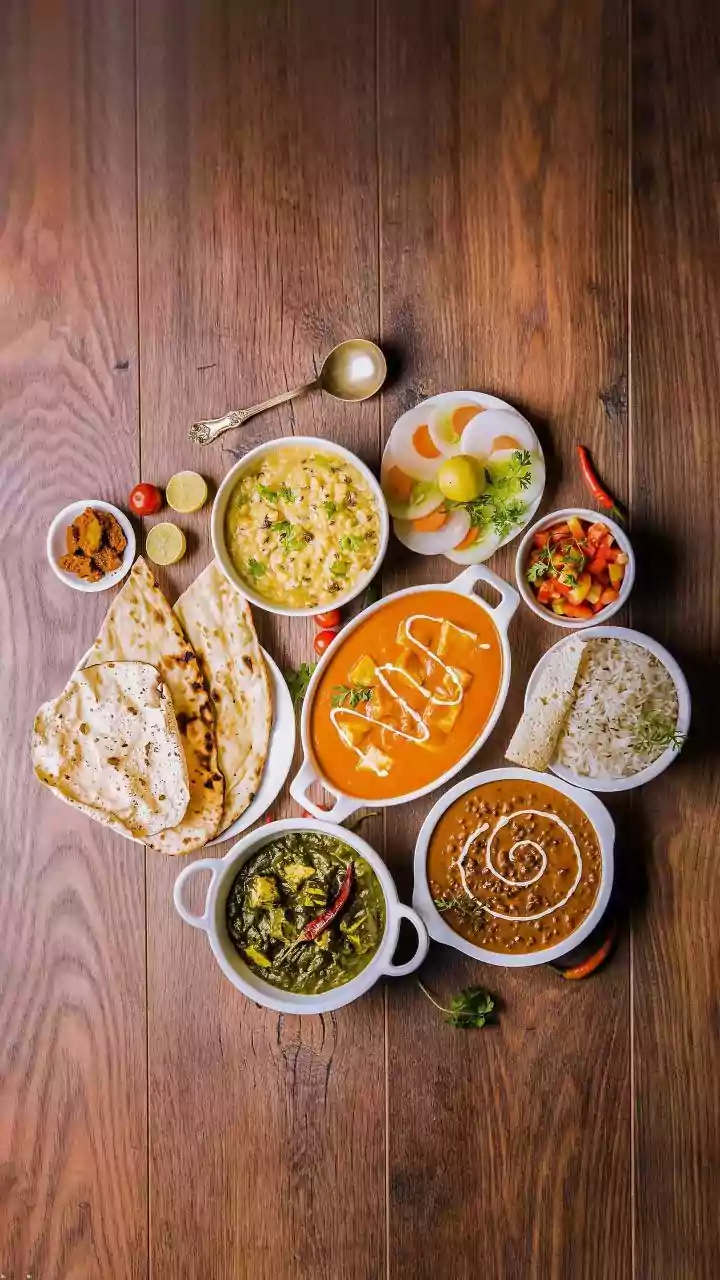
The term might sound technical, but the concept is simple. The most widely used system, called NOVA, classifies foods into four groups based on their level of processing. Group 1 is unprocessed or minimally processed foods like fresh fruits, vegetables,
dal, and rice. Group 2 includes culinary ingredients like salt, sugar, and oils. Group 3 covers processed foods, which are simple combinations of the first two groups, like freshly baked bread or cheese. The concern lies with Group 4: ultra-processed foods (UPFs). These are not just modified foods; they are industrial formulations made with five or more ingredients. Think of substances you wouldn’t find in a home kitchen: artificial colours, flavour enhancers, emulsifiers, and preservatives. These products are designed for long shelf life and hyper-palatability, meaning they are engineered to be intensely rewarding to eat.
What the Latest Science Reveals
A wave of recent, high-quality research has moved the conversation on UPFs from suspicion to certainty. Large-scale studies have unambiguously linked high consumption of UPFs to a wide array of health problems. Recent meta-analyses confirm a direct association with a higher risk of obesity, type 2 diabetes, and high blood pressure. More alarming are the cardiovascular findings. One major study found that people with the highest intake of UPFs had a significantly higher risk of suffering a heart attack or stroke. Further research shows that each additional daily serving of UPFs can increase the risk of cardiovascular events. The impact isn't just physical; studies have also found associations between UPF-heavy diets and a greater risk of depression and anxiety, potentially due to the disruption of the gut microbiome.
The Indian Plate: Which Foods Are a Concern?
While we often associate UPFs with Western fast food, they are deeply integrated into the modern Indian diet. The list of common UPFs in India is long and familiar. It includes instant noodles, packaged chips and namkeens, sugary biscuits, and breakfast cereals. Carbonated soft drinks and packaged fruit juices also fall squarely into this category. Even some seemingly traditional options, like ready-to-eat curry mixes or instant dhokla and idli mixes, are classified as ultra-processed due to the industrial ingredients and additives they contain to ensure shelf-stability and consistent taste. The convenience and aggressive marketing of these products have made them staples in many households, contributing to a nationwide shift away from traditional, freshly prepared meals.
How to Make Smarter Choices
Reducing UPF consumption doesn't mean you have to eliminate all convenient foods. The key is to become a more conscious consumer. Start by reading ingredient lists. If you see a long list of chemical-sounding names and additives, it's likely a UPF. Try to prioritise foods from NOVA's Group 1. Opt for fresh, whole ingredients as the base for your meals whenever possible. This could mean swapping a packaged breakfast cereal for traditional poha or upma made from scratch. Choosing plain oats, simple yogurt, or canned chickpeas (without added sauces) are also better options than their ultra-processed counterparts. The goal isn't perfection but progress. Aim to cook one extra meal from scratch each week or swap a packaged snack for a piece of fruit. Small, consistent changes can significantly reduce your reliance on these industrial formulations and improve your long-term health.