






Why Seasonal Eating Wins
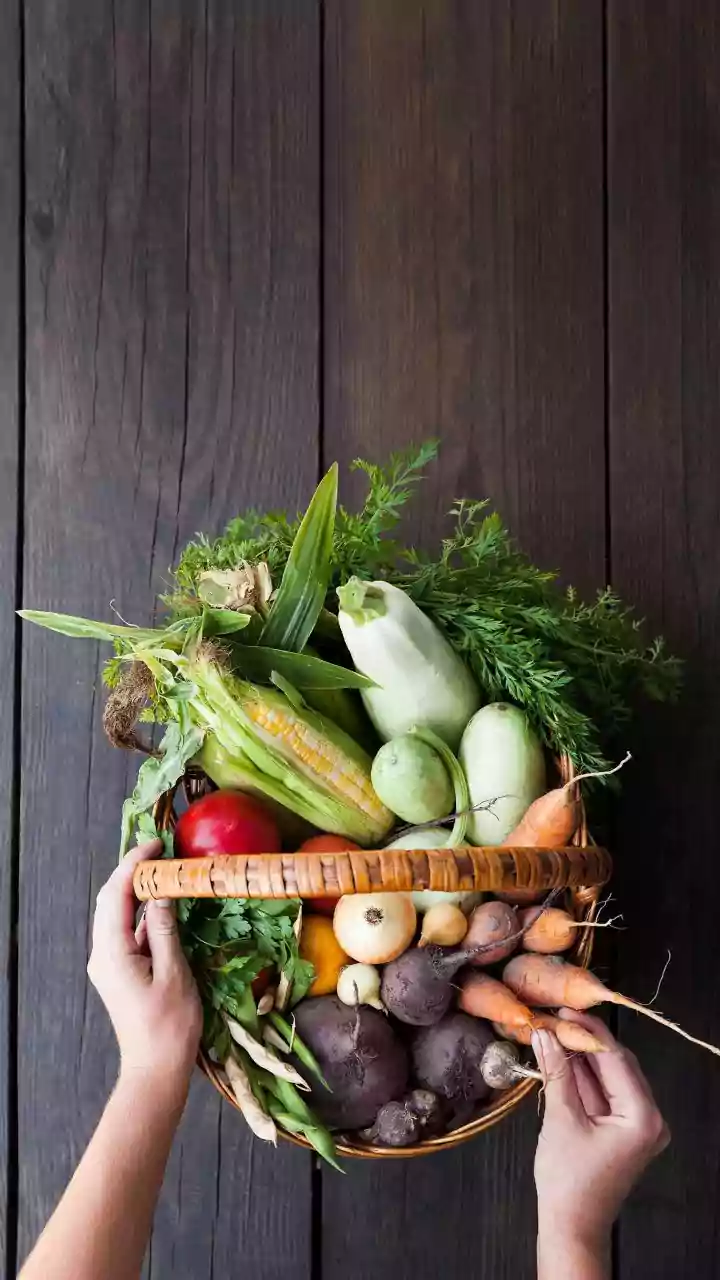
Before we dive into pairings, let's understand why cooking with the seasons is a game-changer. Seasonal produce, harvested at its peak, is nutritionally dense, tastes better, and is often more affordable. When a tomato is grown in its natural season and eaten
locally, its vitamin C content can be significantly higher than one available year-round. This practice also supports local farmers and reduces the environmental impact of long-distance food transportation. Traditional Indian food wisdom has always been rooted in this principle, creating diets that naturally support the body's needs through changing weather—cooling foods in summer and warming ones in winter.
Monsoon Marvels: Gourds and Greens
The monsoon (July-September) brings relief from the heat and a bounty of specific vegetables. This is the season for gourds of all kinds: bottle gourd (lauki), ridge gourd (turai), bitter gourd (karela), and ivy gourd (tindora). These vegetables have high water content and are easy to digest. They shine in simple preparations. For a quick stir-fry, or 'poriyal' as it's known in the south, temper mustard seeds and curry leaves, sauté the chopped gourd with turmeric, and finish with a sprinkle of fresh coconut. Bitter gourd, valued in traditional diets for its immunity-supporting properties during this season, can be stir-fried with onions to balance its flavour. Leafy greens like spinach (palak) and colocasia leaves (arbi patta) are also abundant; use them in light dals or simple steamed dishes.
Winter's Hearty Harvest
Winter (October-February) is the season for robust, nutrient-packed vegetables, especially in North India. Markets are flooded with leafy greens like mustard greens (sarson), fenugreek (methi), and spinach (palak). This is the perfect time to prepare the classic Sarson da Saag, a slow-cooked curry of mustard greens, best enjoyed with makki di roti. Root vegetables like carrots, beets, and radishes are at their sweetest. These are ideal for heartier curries and sabzis. A mixed vegetable curry using carrots, peas, and cauliflower provides a warming and nutritious meal. In Gujarat, the winter specialty Undhiyu combines winter beans and root vegetables into a complex, celebratory dish.
Summer's Cooling Bounty
As temperatures rise in the summer (March-June), nature provides vegetables that are cooling and hydrating. Think cucumber, bottle gourd, and snake gourd (pudalangai). South Indian cuisine offers wonderful ways to use these vegetables. A classic summer dish is 'avial', a mixed vegetable curry with a coconut and yogurt base, featuring seasonal vegetables like drumsticks, carrots, and pumpkin. Ash gourd is perfect for a 'mor kuzhambu', a light, buttermilk-based curry that is both cooling and delicious. Quick stir-fries are ideal for summer cooking. A simple snake gourd or ridge gourd 'poriyal' requires minimal time on the stove and pairs beautifully with rice and rasam.
Mastering the Simple Stir-Fry
The Indian stir-fry—known as 'sabzi', 'poriyal', or 'thoran'—is one of the most versatile ways to cook seasonal vegetables. The technique is simple and adaptable. Start by heating oil and tempering spices like mustard seeds, cumin seeds, and dried red chillies. Add chopped onions and garlic, then your chosen vegetable. Sauté with turmeric and salt until cooked but still retaining some texture. A final garnish of fresh coriander or grated coconut elevates the dish. This basic formula works for everything from beans and carrots in winter to cabbage and okra in the monsoon. It's a fast, healthy, and delicious way to put the best of the season on your plate.