



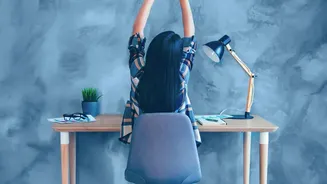
The Problem with Staying Still
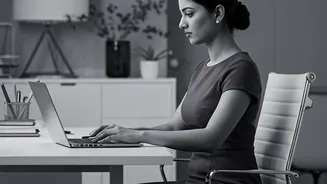
Our bodies are not designed for prolonged periods of inactivity. Yet, for many of us, demanding shifts at a desk, counter, or station mean we stay in one position for hours. This sedentary behaviour does more than just make our muscles feel stiff; it impacts
our entire system. When you're static, your circulation slows down. Your heart doesn't need to pump as vigorously, which means less oxygen-rich blood is delivered to your muscles and, crucially, to your brain. This slowdown is a primary contributor to both physical fatigue and the mental fog that clouds your thinking and decision-making. Over time, this lack of movement can lead to a host of health issues, but the immediate effect is a noticeable drop in energy and concentration.
Muscle Oxygenation and Your Brain
Let's talk about oxygen. Every cell in your body needs it to create energy, and your muscles and brain are massive consumers. Muscle oxygenation is the process of delivering oxygenated blood to your muscle tissue. When muscles are active, they demand more oxygen to function effectively. But this process isn't just about your biceps or hamstrings. Improving blood flow to your muscles is part of a systemic improvement in circulation. Better circulation means more oxygen is also transported to the brain. Your brain uses about 20% of your body's oxygen. When its supply is robust, cognitive functions like attention, memory, and problem-solving are sharp. When oxygen delivery dips due to inactivity, the brain can't perform optimally, leading to mental fatigue.
The Simple Power of Micro-Movements
This is where micro-movements come in. These aren't full-blown workouts that require changing into gym clothes. They are small, intentional physical actions you can do right where you are, often without anyone even noticing. Think of them as 'movement snacks'. The goal is simply to activate your muscles, stimulate your circulatory system, and break the cycle of stillness. Actions as simple as rolling your ankles, shrugging your shoulders, or tensing and releasing your leg muscles are enough to signal your heart to pump a little harder, pushing more oxygenated blood throughout your body. This process helps fight muscle stiffness and, by boosting overall circulation, gives your brain the refresh it needs.
From Physical Activation to Mental Clarity
The link between these small movements and better focus is direct. By stimulating muscle activity, you increase the body's immediate demand for oxygen. The circulatory system responds by increasing blood flow not just to the working muscles but system-wide. This enhanced circulation delivers a fresh supply of oxygen and nutrients to the brain, effectively clearing out the cobwebs. Research suggests that even short bursts of activity can improve executive functions like attention and working memory. Instead of feeling sluggish and distracted, you feel more alert and capable. It’s a biological reset button. By preventing the dip in cerebral oxygenation that can occur with prolonged sitting, you are actively maintaining the physiological conditions your brain needs to stay engaged and focused on demanding tasks.
Easy Micro-Movements to Try at Your Desk
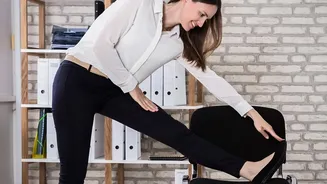
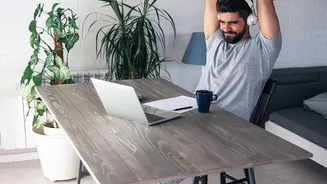
Integrating micro-movements into your day is easy. The key is consistency. Set a timer to remind yourself to move for 30-60 seconds every half hour. Here are a few to get you started: • Seated Calf Raises: While sitting, lift your heels off the floor, pressing into the balls of your feet. Hold for a few seconds and lower. Repeat 10-15 times. • Ankle Rolls: Lift one foot slightly off the ground and rotate your ankle in circles, 10 times in each direction. Switch feet. • Shoulder Shrugs and Rolls: Inhale and lift your shoulders up toward your ears, then exhale and let them drop. Follow this by rolling your shoulders backward and forward five times each to release tension. • Torso Twists: Sit tall and gently twist your upper body to one side, using the armrest for a light stretch. Hold for 15 seconds, then repeat on the other side. • Glute Squeezes: Simply squeeze your gluteal muscles, hold for 10-15 seconds, and release. Repeat several times. It's completely discreet and surprisingly effective at activating large muscle groups.