






Planning a long car journey often involves curating the perfect playlist and packing the essentials. But what about your food? Dietitians suggest that grabbing the wrong snacks could be a recipe for a sluggish, uncomfortable, and even unsafe trip.
The Familiar Pitfall of Roadside Snacks
It’s
a classic scene: you’re at a gas station before hitting the highway, and the shelves are lined with colourful bags of chips, candy bars, pastries, and sugary sodas. They're convenient, tempting, and seem like the perfect companions for the hours ahead. While these treats provide a quick burst of satisfaction, they are often high in simple carbohydrates and added sugars. This can set you up for a cycle of energy spikes and crashes, which is the last thing you want when you need to stay alert and focused behind the wheel. Experts warn that this initial boost is short-lived and often followed by fatigue, making a long journey feel even longer.
The Science Behind the Slump
When you consume simple carbs and sugary foods like pastries, white bread, or candy, your body digests them rapidly. This leads to a quick spike in your blood sugar. In response, your body releases a large amount of insulin to manage the sugar, which then causes your blood sugar levels to plummet. This sudden drop is the 'crash' that leaves you feeling tired, foggy, and irritable. This state, sometimes called a 'food coma', can impair cognitive function and significantly slow your reaction times—a dangerous combination when you’re driving. High-carb meals can also increase levels of serotonin and tryptophan in the brain, which naturally make you feel sleepy.
More Than Just Drowsiness
Beyond the energy crash, these foods can cause other issues that make a car ride unpleasant. Greasy, fatty, and highly processed snacks are often culprits for digestive discomfort, including bloating and heartburn. Sitting for a prolonged period in a car already slows down your digestive system, and adding hard-to-digest foods into the mix can exacerbate the problem. Salty snacks like crisps can also lead to dehydration, which itself is a major cause of fatigue and headaches. The distraction of physical discomfort, combined with the mental fog from a sugar crash, creates a poor environment for safe and enjoyable travel.
Smart Swaps for Sustained Energy
The key to good road trip nutrition is planning ahead and choosing snacks that provide sustained energy. Dietitians recommend focusing on a combination of protein, healthy fats, and complex, high-fibre carbohydrates. These nutrients digest more slowly, providing a steady stream of energy without the dramatic blood sugar fluctuations. Instead of reaching for candy and chips, consider packing a small cooler with some of these smarter alternatives:
Protein Power:
Hardboiled eggs, cheese sticks, beef jerky, deli meat rollups, and Greek yogurt cups.
Healthy Fats:
Unsalted nuts like almonds and walnuts, seeds, or individual packets of nut butter.
* Complex Carbs and Fibre:
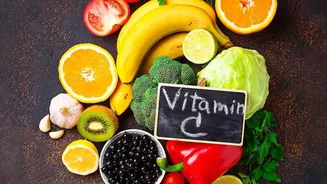
Fresh fruits like apples and bananas, baby carrots, bell pepper strips, whole grain crackers, and hummus cups.
Hydration is Key
What you drink is just as important as what you eat. Sugary sodas, juices, and high caffeine energy drinks contribute to the same sugar crash cycle. While a cup of coffee might seem like a good idea, it can also act as a diuretic, leading to more frequent bathroom stops. Your best bet is to stick with water. Staying properly hydrated helps maintain concentration, prevents headaches, and keeps you feeling fresh. To make it more interesting than just plain water try adding a slice of lemon or lime to your water bottle.