


Why A Simple Routine Works
Yoga is more than just physical postures; it's a practice of connecting your mind and body through breath. The goal isn't to twist yourself into a pretzel, but to build awareness, release tension, and create a sustainable habit. A simple routine is powerful
because it's achievable. Committing to just 10 minutes a day is far less intimidating than an hour-long class, making you more likely to stick with it. This consistency is where the real benefits unfold, from reduced stress and improved flexibility to a calmer, more focused mind. Think of it as a small, daily deposit into your well-being account.
Setting the Stage for Success
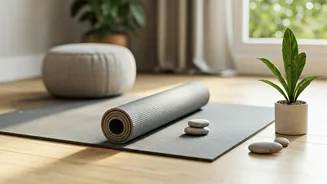
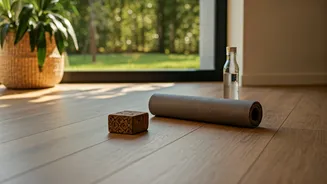
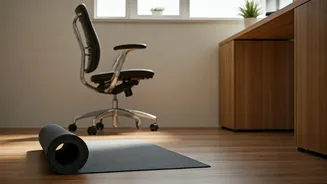
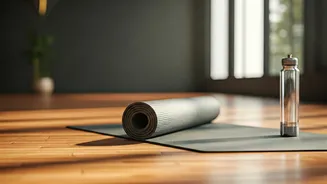
You don’t need a fancy studio to begin. Find a quiet space in your home where you won't be disturbed. A yoga mat is helpful for grip and cushioning, but a soft rug or carpeted floor works too. Wear comfortable clothing that allows you to move freely. The most important element is your intention: to give yourself this small window of time, free from judgment or expectation. Put your phone on silent and let this be your personal time to reset.
1. Mountain Pose (Tadasana): Ground Yourself
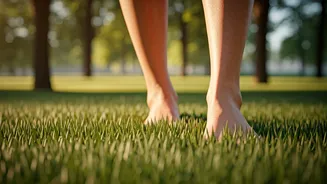
This foundational pose looks simple, but it’s key to establishing good posture and presence. Stand with your feet together or hip-width apart. Spread your toes and press all four corners of your feet firmly into the floor. Engage your leg muscles without locking your knees. Let your arms rest by your sides, palms facing forward. Lengthen your spine, roll your shoulders back and down, and keep your chin parallel to the floor. Close your eyes and take 5 deep breaths, feeling the connection between your body and the ground beneath you. This pose teaches you to be stable and centred.
2. Cat-Cow Stretch (Marjaryasana-Bitilasana): Awaken the Spine
This gentle flow is perfect for warming up the spine and releasing tension in the back, neck, and shoulders. Start on your hands and knees in a tabletop position, with wrists under shoulders and knees under hips. As you inhale (Cow Pose), drop your belly towards the mat, lift your chest and tailbone, and look forward. As you exhale (Cat Pose), round your spine towards the ceiling, tucking your chin to your chest and pressing the mat away. Flow between these two poses for 8-10 breaths, synchronising your movement with your breath. It’s like a massage for your entire back.
3. Downward-Facing Dog (Adho Mukha Svanasana): Energise and Stretch
From your tabletop position, tuck your toes, lift your hips up and back, forming an inverted 'V' shape with your body. Your head should be between your upper arms. Keep your hands shoulder-width apart and feet hip-width apart. In the beginning, it’s more important to have a straight spine than straight legs, so feel free to generously bend your knees. Press firmly through your palms and gently 'pedal' your feet by bending one knee and then the other. This pose stretches the hamstrings, shoulders, and calves while strengthening the arms and legs. Hold for 5 deep breaths.
4. Child’s Pose (Balasana): Rest and Surrender
From Downward-Facing Dog, gently lower your knees to the floor. Bring your big toes to touch and sit back on your heels, separating your knees as wide as your mat. Fold forward, resting your torso between your thighs and your forehead on the floor. Your arms can be stretched out in front of you or resting alongside your body with palms facing up. This is a restorative pose that gently stretches the hips and back while calming the brain. It’s a moment to let go. Stay here for 5-10 deep, calming breaths.
5. Corpse Pose (Savasana): Integrate and Absorb
Never skip the final rest. Lie on your back with your legs slightly apart and your arms resting by your sides, palms facing up. Close your eyes and release control of your breath. Allow your body to feel heavy and completely supported by the floor. The purpose of Savasana is to integrate the benefits of your practice, letting your nervous system calm down and absorb the work you’ve just done. Stay here for at least 2-3 minutes, simply being still and quiet. It's the most important pose of all.