






The End of the All-or-Nothing Mindset
For years, festive eating has been defined by extremes. We either surrender completely to temptation, eating everything in sight, or we try to abstain entirely, feeling deprived and left out of the celebrations. This black-and-white approach often leads
to a cycle of guilt, shame, and compensatory behaviours like skipping meals or extreme dieting. This pattern, known as the binge-restrict cycle, is not only mentally exhausting but also counterproductive. Research and expert opinion suggest that intense restriction often leads to increased cravings and eventual overeating. The growing trend towards balanced eating is a rejection of this harmful mindset. It acknowledges that food is a central part of celebration and culture, and that enjoying festive delicacies shouldn't come with a side of remorse. It’s about ditching the food rules that label items as 'good' or 'bad' and instead fostering a healthier relationship with what's on our plate.
What Balanced Festive Eating Looks Like
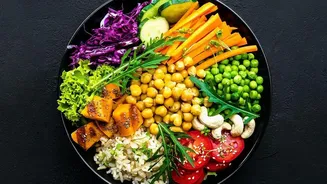
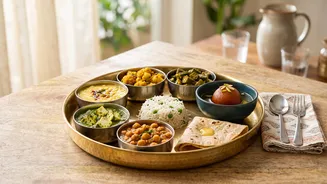
So, what does this new approach look like in practice? It’s not about avoiding your favourite gulab jamun or crispy samosas. Instead, it’s about moderation, mindfulness, and making conscious choices. A key principle is the 'plate method'. Nutritionists suggest filling half your plate with vegetables and salad, a quarter with protein (like dal, paneer, or lean meat), and the final quarter with carbohydrates like rice or roti. This ensures you get essential fibre and nutrients that keep you feeling full, which naturally helps manage indulgence. It’s also about prioritising. Instead of mindlessly sampling every dish on the buffet, scan the options and choose the festive specials you truly love and will savour. Enjoying a small portion of a homemade sweet that you only get once a year is a more satisfying experience than eating a generic dessert out of habit.
Smart Swaps and Simple Tricks
A balanced approach is made easier with a few clever strategies. One of the most common mistakes is skipping meals to 'save' calories for a big party, which almost always backfires and leads to overeating. Having a small, nutritious snack like yoghurt with nuts or a piece of fruit before you go can curb extreme hunger. Staying hydrated is another simple but powerful tool; sometimes our bodies mistake thirst for hunger. Sipping water throughout the day can prevent unnecessary snacking. When it comes to preparing festive foods at home, simple swaps can make a big difference. Using jaggery instead of refined sugar, baking or air-frying snacks instead of deep-frying them, and opting for whole-grain flours like ragi or besan can boost the nutritional profile of traditional treats. For drinks, alternating alcoholic beverages with water and avoiding sugary cocktails can significantly reduce empty calorie intake.
The Power of Mindful Indulgence
Perhaps the biggest shift is in how we eat. Mindful eating is about being present and engaged, using all your senses to enjoy your food. Instead of eating quickly while distracted by conversation, take your time. Put your fork down between bites and truly savour the flavours and textures. This simple practice does two things: it enhances the pleasure of eating and gives your brain time to register fullness signals, which can take about 20 minutes. This prevents that all-too-familiar feeling of being uncomfortably stuffed. Paying attention to your body's hunger and fullness cues is the cornerstone of mindful indulgence. It allows you to enjoy festive foods until you are satisfied, not until the plate is empty. This intuitive approach helps to rebuild trust with your body, moving away from external food rules and towards internal wisdom.
It's Not Just About Food
A truly balanced festive season extends beyond the dining table. Physical activity, sleep, and stress management all play crucial roles in our well-being and eating habits. You don’t need to stick to a rigid gym schedule, but incorporating movement can make a huge difference. A post-meal walk with family, playing an active game, or even just helping with the clean-up can aid digestion and boost your mood. Prioritising sleep is equally important, as late nights and exhaustion can disrupt hunger hormones and increase cravings for high-calorie foods. Ultimately, the goal is to shift the focus from what you're eating to who you're eating with. By moving socialising away from the food table and focusing on connection and conversation, you can reduce mindless snacking and more fully enjoy the spirit of the season.