



Go Beyond the Basic Weather App
A quick glance at a standard weather app might show a simple rain icon, but monsoon weather is far more complex. Heavy to very heavy rainfall can be highly localised, with conditions changing rapidly from one valley to the next. Before you book, it's
crucial to consult detailed forecasts from the India Meteorological Department (IMD). The IMD issues district-level warnings, often using colour codes like yellow or orange alerts, which signal the potential for disruptive weather. These forecasts provide a much clearer picture of rainfall intensity, thunderstorm likelihood, and strong winds, helping you understand if your chosen destination is facing a mild shower or a significant weather event. This level of detail is essential, especially for travel in hilly regions.
Assess the Reality of the Roads
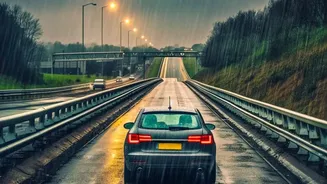
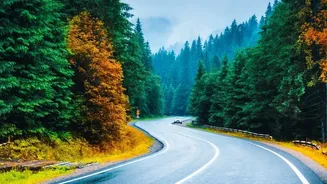
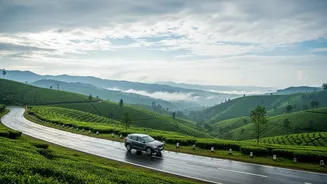
Monsoon rains transform India's road network, and not always for the better. Wet roads are slippery, significantly increasing braking distances and the risk of skidding. More importantly, heavy downpours lead to formidable hazards like waterlogging, landslides, and flash floods. Major highways in Himalayan states like Himachal Pradesh and Uttarakhand are particularly vulnerable to landslides, which can block routes for hours or even days. Coastal and plain areas aren't immune either, with waterlogged streets and submerged underpasses capable of stalling vehicles and causing severe engine damage. It’s a mistake to assume a flooded road is passable; just a foot of water can be enough to get a car stuck. Before heading out, especially on a road trip, check for real-time traffic updates and advisories from local police or district administration pages.
Listen to Local and Official Warnings
National forecasts are a great starting point, but local authorities provide the most critical, up-to-the-minute information. District administrations and state disaster management authorities are responsible for issuing travel advisories, announcing road closures, and warning people to stay away from swollen rivers or landslide-prone zones. This is especially true for popular but fragile tourist areas in the Himalayas and Western Ghats. For example, pilgrim routes or high-altitude passes may be temporarily suspended during periods of intense rain to ensure safety. Always heed these warnings. Trying to push through a restricted area or driving during an active alert is a leading cause of monsoon travel mishaps. A flexible itinerary is your best friend; be prepared to delay a journey by a day or alter your route based on official guidance.
Choose Your Destination and Stays Wisely
Not all destinations are created equal during the monsoon. Some areas are notoriously prone to flooding or landslides. Research your intended location thoroughly. Is your hotel located near a riverbank that might swell, or on a slope known for instability? A beautiful, remote resort can become a trap if the single access road gets washed out. It’s often wiser to choose destinations known for better infrastructure and accessibility during the rains. When booking, consider having a few buffer days in your schedule. This flexibility allows you to wait out a heavy downpour or navigate a delay without the stress of a tight, unforgiving schedule. Travel insurance that covers weather-related disruptions can also provide peace of mind.
Pack for Preparedness, Not Just the Weather
Your packing list for a monsoon trip should extend beyond a simple raincoat. Quick-drying synthetic clothing is far more practical than cotton. Sturdy, waterproof footwear with excellent grip is non-negotiable to handle slippery surfaces. Since power cuts can be common during storms, a fully charged power bank is essential. Protect your electronics, documents, and cash by storing them in waterproof bags or zip-lock pouches. A basic first-aid kit containing medicines for common ailments like fever and stomach issues, along with insect repellent, is also a must-have. Finally, always carry some drinking water and non-perishable snacks in case of unexpected delays on the road.