




The Science of Steam and Starch
When you turn off the heat, the cooking process isn’t actually over. The pot is still full of trapped steam and residual heat. This is where the magic happens. During this resting period, two critical things are taking place: moisture redistribution and starch
gelatinization. The grains at the bottom of the pot are typically wetter, while those at the top are drier. Letting the pot sit undisturbed allows the trapped steam to circulate, evenly distributing moisture throughout every single grain. At the same time, the starch molecules, which swelled with water during cooking, need a moment to cool and set. This process, known as gelatinization, is what gives each grain its ideal firm yet tender structure. Disturbing the rice too soon disrupts both of these processes.
Why Patience Prevents Gummy Rice
Lifting the lid immediately is tempting, but it releases all that precious steam, halting the gentle cooking process. Stirring too early is even more detrimental. The just-cooked grains are swollen and extremely delicate. Agitating them can break them apart, releasing excess starch and creating a sticky, gluey mess. By letting the rice rest, you allow the grains to firm up and the starches to settle properly. The result is distinct, fluffy grains that separate easily instead of clumping together. Think of it like resting a steak after grilling; it’s a small step that makes a world of difference to the final texture.
The Perfect Resting Method
The method itself is beautifully simple. Once the designated cooking time is up, slide the pot off the hot burner but keep the lid on tightly. Do not peek. Resisting the urge to check on it is the most important part of the process. The lid traps the heat and steam required to finish the job. For an extra boost of fluffiness, some cooks employ a clever trick: quickly place a clean, folded dish towel over the pot's opening and then press the lid back on top. The towel absorbs any excess condensation that could otherwise drip back down and make the rice soggy. Let it sit completely untouched for the recommended time.
How Long Is Long Enough?
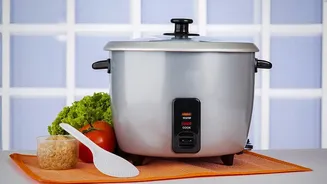
For most standard white rice varieties like long-grain, jasmine, or basmati, a resting period of 10 minutes is the golden rule. This is generally enough time for the moisture to even out and the starches to set. If you're cooking a very large batch of rice for a crowd, you might want to extend this rest to 20 or even 30 minutes to ensure everything is perfect. Brown rice, being a whole grain, is heartier and benefits from a slightly longer rest, typically around 15 minutes. Even rice made in a dedicated rice cooker will improve with a 5-to-10-minute rest after the cooking cycle finishes and before you open the lid.
The Final Fluff
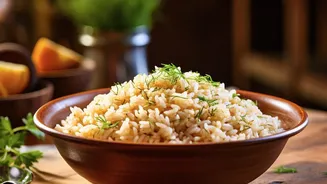
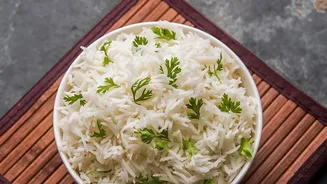
Once the resting period is over, it’s time for the final touch. Remove the lid and use a fork or a dedicated rice paddle to gently fluff the rice. The goal is to separate the grains, not to stir or mash them. Using a fork is often recommended because its tines can get between the grains without crushing them. Start by scraping the rice from the sides of the pot toward the center, then gently lift from the bottom to the top. You’ll see how the grains, now perfectly cooked and rested, separate beautifully, ready to be served. This final step ensures that all your patience pays off in a bowl of perfectly textured, fluffy rice.