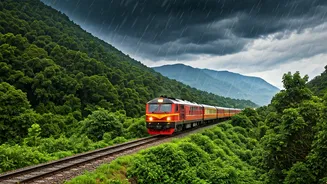







The Annual Digital Pilgrimage
For millions of Indian families, planning a trip home for festivals like Diwali, Holi, or summer holidays begins not with packing bags, but with a strategic battle against the IRCTC website. This period, affectionately or anxiously known as “rail-booking
watch mode,” is a shared national experience. It’s a time of setting alarms, coordinating with family members, and preparing for a digital race where success means a confirmed berth and failure could mean cancelled plans. The demand is so immense that railways often run hundreds of special trains during peak seasons just to manage the rush. This collective effort to secure a journey home transforms ticket booking from a simple transaction into a high-stakes event.
Mark Your Calendar: The 60-Day Countdown
The first rule of winning the booking game is knowing when it starts. Indian Railways has set the Advance Reservation Period (ARP) to 60 days. This means general quota tickets for any train become available for booking exactly 60 days before the date of departure from the train's originating station. This countdown is non-negotiable. Families now have calendars marked not just with festival dates, but with 'booking open' dates two months prior. Being ready at 8:00 AM on that specific day is crucial, as popular routes can become fully booked within minutes. Forgetting this window means you'll likely be pushed into the uncertain world of waitlists.
The Tatkal Lifeline: A Last-Minute Dash
Missed the 60-day window? Hope is not lost, thanks to the Tatkal quota. This scheme is designed for those with urgent travel plans, opening one day before the journey. The booking window is notoriously brief and highly competitive. Bookings for AC classes (2A, 3A, CC, etc.) open at 10:00 AM, while non-AC classes (Sleeper, 2S) open at 11:00 AM. Success in Tatkal requires speed and preparation. Experts recommend using the official IRCTC Rail Connect app, saving passenger details in the 'Master List' beforehand, and having payment details ready for a swift checkout. Even a few seconds can make the difference between a confirmed ticket and a Tatkal waitlist (TQWL), which has lower confirmation chances.
Decoding the Waitlist Maze
Landing on the waiting list is a common outcome, but not all waitlists are created equal. Understanding the difference is key to managing your travel anxiety. GNWL (General Wait List) has the highest chance of confirmation, as it's for the longest part of the journey and sees the most cancellations. RLWL (Remote Location Wait List) and PQWL (Pooled Quota Wait List) have lower chances as they depend on smaller, specific quotas of seats. Many booking platforms now show a 'CNF Probability' (Confirmation Probability), which uses historical data to predict your chances. A high percentage can offer peace of mind, but a low one is a signal to start looking for alternatives.
Your Strategic Toolkit for Success
Beyond timing, a few strategic moves can significantly increase your odds. First, always have a stable, high-speed internet connection. Second, prepare your information in advance. Use the IRCTC app's 'Master List' feature to save all passenger details like name, age, and ID proofs, which can be added with a single click. For payments, keep UPI IDs or e-wallets ready, as they are faster than entering card details. Finally, consider the Vikalp scheme. When booking, you can opt for this scheme, which gives Indian Railways permission to allot you a confirmed seat on an alternate train if your original ticket remains waitlisted, at no extra cost. This option acts as a valuable safety net, significantly increasing your chances of reaching your destination.