






The Mistake: Applying Products to Bone-Dry Skin
Many of us have a familiar post-cleansing ritual: wash, pat the face completely dry with a towel, and then proceed with the rest of our routine. It seems logical, but this is the crucial timing error that dermatologists and skincare experts often highlight.
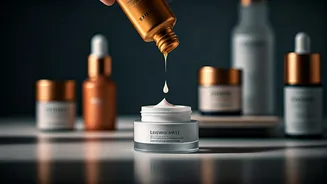
Applying your skincare products, especially hydrators and moisturisers, to skin that is totally dry can significantly reduce their effectiveness. Instead of locking in moisture, your products may struggle to absorb properly, sitting on the surface or, in some cases, not delivering the intended benefits to the deeper layers of your skin where they are most needed.
Why Damp Skin Is a Game-Changer
Think of your skin like a sponge. A dry, crusty sponge will not absorb water nearly as well as one that is already slightly damp. Your skin operates on a similar principle. When your skin is slightly damp—not dripping wet, but still holding some moisture from cleansing or a facial mist—it is more permeable. This state of slight dampness acts as a conduit, helping the active ingredients in your serums and creams to penetrate more effectively. Applying products to damp skin helps to trap that existing water, sealing in hydration and boosting the performance of your routine. Studies have shown this simple technique can increase hydration significantly compared to application on dry skin.
Which Products Benefit Most from Damp Application?
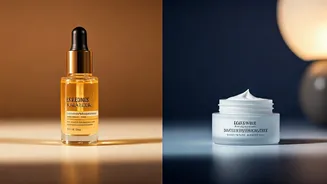
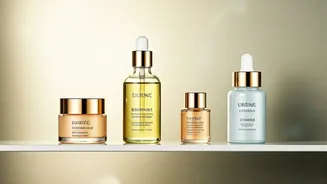
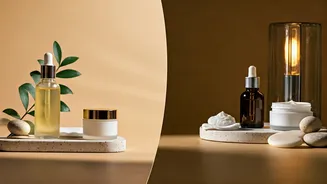
This technique doesn't apply to everything, but it's transformative for certain product categories. Hydrating products are the primary beneficiaries. Serums containing humectants like hyaluronic acid and glycerine work best on damp skin because these ingredients draw water into the skin; applying them to a damp surface gives them immediate moisture to bind to. Toners and essences are designed to be applied to just-cleansed, damp skin to prepare it for what comes next. Finally, your moisturiser is perhaps the most important product to apply while your skin is still slightly damp. This allows it to effectively seal in both the water on your skin's surface and the hydrating products you've applied underneath.
The Exception to the Rule: When to Use Dry Skin
While damp skin is great for hydration, it can be a problem for potent, potentially irritating active ingredients. Because damp skin enhances penetration, applying strong products like retinoids (retinol) or chemical exfoliants (like AHAs and BHAs) to a moist surface can increase their potency and lead to irritation, redness, and peeling, especially for those with sensitive skin or who are new to the ingredient. For these specific treatments, it is often recommended to wait until your skin is completely dry before application to allow for a slower, more controlled absorption. Sunscreen is another product that should always be applied to dry skin to ensure it forms an even, protective film without being diluted.
Putting It All into Practice
Perfecting this timing doesn't require a stopwatch, just a slight adjustment to your habits. After cleansing, gently pat your face with a clean towel, leaving it slightly dewy and moist to the touch. Don’t rub your skin until it’s squeaky dry. Within about a minute of cleansing, apply your hydrating toner or essence, followed immediately by any hydrating serums. This is your window to lock in that crucial surface moisture. Give your serum about 60 seconds to absorb, then follow with your moisturiser to seal everything in. If you are using a retinoid at night, you can either apply it to dry skin before your moisturiser or try the “sandwich method”: apply a light layer of moisturiser, wait for it to absorb, apply your retinoid, and then apply another layer of moisturiser to buffer against irritation.