







Create Your Festival Budget First
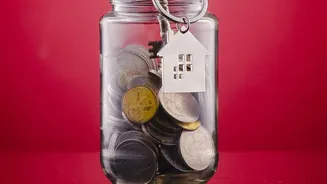
The most crucial step to a stress-free Onam is planning your finances before the celebrations begin. Don't wait until you're at the shops to think about costs. Start by setting a total festival amount you are comfortable spending from your savings, not
from credit or future income. If you receive an Onam bonus, decide upfront how to allocate it between celebrations, savings, and paying off any existing debt. Create specific spending caps for each major category: the sadhya (feast), Onakkodi (new clothes), pookalam (floral carpets), travel, and gifts. This prevents one area of enthusiastic spending from draining the entire budget. Keeping a 10-15% buffer for unexpected costs is also a wise move.
A Smarter, More Sustainable Sadhya
The Onam sadhya, with its elaborate spread, is often the biggest expense. The key to managing this is planning, not panic. First, decide on the guest list and the number of dishes you'll prepare. A thoughtfully cooked 12-dish sadya is more enjoyable than a stressful 26-dish affair. Focus on essential dishes like rice, sambar, avial, a thoran, payasam, and pappadam to capture the authentic experience. You can save money by choosing ingredients that work across multiple recipes, such as pumpkin or coconut. Hosting a potluck, where each family brings a dish, is another fantastic way to share the cost and the effort while strengthening community bonds. If you're dining out, compare prices and book your spot well in advance, as popular restaurants fill up quickly.
An Economical and Elegant Pookkalam
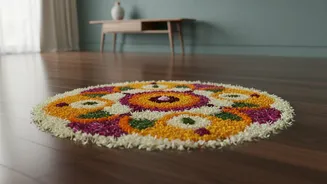
The daily pookkalam is a beautiful tradition, but the cost of fresh flowers for ten days can add up significantly. To keep this expense in check, buy your flowers from local morning vendors rather than pre-packaged kits. You can create a grander look for less by bulking out the design with more affordable leaves and greenery. Consider collaborating with neighbours to create a single, large pookalam in a shared space. This not only splits the bill but often results in a more impressive design than several smaller ones. Alternatively, you can use a mix of real and high-quality fabric petals, especially for the outer rings, to reduce daily costs.
Mindful Gifting and Onakkodi
Onakkodi, the tradition of gifting new clothes, is central to Onam, but it doesn't have to be extravagant. Shop for apparel during pre-festival sales and stick to a written list to avoid impulse buys as Thiruvonam approaches. For college students and those on a tighter budget, breathable cotton kurtis or co-ord sets offer a festive look without a high price tag. When it comes to other gifts for family and friends, thoughtfulness matters more than price. A small, well-crafted brass lamp (diya) or a beautiful pooja thali can be more meaningful and lasting than an expensive but generic item. For many, the true spirit of gifting lies in the act of giving itself, not the cost.
Avoid the Post-Festival Debt Trap
The pressure to celebrate can sometimes lead to poor financial decisions, such as relying heavily on credit cards or taking out small loans. There is a strong cultural urge to celebrate Onam well, sometimes captured in the saying, “Kaanam vittum Onam unnanam” (One must have the Onam feast even if it means selling property). While the sentiment is about the festival's importance, it shouldn't be taken as literal financial advice. Plan to fund your festivities with money you already have. Tracking your spending daily or every few days can help you stay within your limits and make adjustments as you go. This simple habit ensures that the joy of the festival lingers long after the celebrations have ended, without the shadow of debt.