




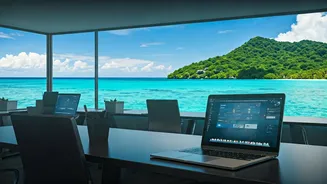
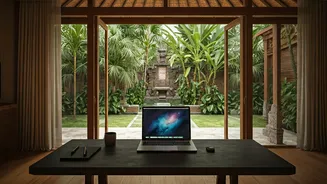



The Pune-Bali Connection
Pune has firmly established itself as a major IT and startup hub, fostering a large community of tech professionals skilled in remote work. The pandemic accelerated the adoption of work-from-home models, giving many employees a taste of locational freedom.
For product managers accustomed to digital collaboration tools and asynchronous work, the leap from a home office in Pune to a villa in Bali is more manageable than ever. The allure is a significant lifestyle upgrade: trading long commutes for morning surfs, while often enjoying a lower cost of living and a vibrant international community.
Navigating the Visa Maze
This is the most critical step. Working in Bali, even for a non-Indonesian company, requires a proper visa. While a simple Visa on Arrival (VoA) allows for a stay of up to 60 days, it is not intended for work. For long-term remote work, the E33G Remote Worker Visa is the primary legal pathway. To qualify, Indian professionals generally need to prove a minimum annual income of around USD 60,000 and have an employment contract with a company based outside Indonesia. This visa is typically valid for one year and can be renewed. The application is done online via the official immigration portal, and it's wise to start the process well in advance of your planned move.
Choosing Your Bali Hotspot
Where you live in Bali will define your experience. Canggu is the undisputed hub for digital nomads, known for its energetic social scene, packed co-working spaces, trendy cafes, and surf culture. If you thrive on networking and activity, this is your place. For those seeking a quieter, more spiritual, and nature-focused environment, Ubud is the ideal choice. Set amidst lush rice paddies and jungle, it’s a global centre for yoga and wellness. Other popular areas include Uluwatu for its stunning cliffs and surf breaks, the more relaxed Pererenan next to Canggu, and Seminyak for its mix of nightlife and eateries.
Decoding the Cost of Living
While Bali is more affordable than major Western cities, costs have risen post-pandemic, especially in prime areas like Canggu. A comfortable lifestyle for a single digital nomad can range from USD 1,600 to USD 2,400 per month (approximately ₹1.3 to ₹2 lakh). A one-bedroom villa might cost between USD 500 and USD 800 monthly. Eating at local restaurants, or 'warungs', is very cheap, with meals often costing less than USD 3. Other significant costs include renting a scooter (the most common mode of transport) for about USD 50-70 a month, and a co-working space membership, which can be around USD 100-200.
Work Infrastructure and Community
Bali is well-equipped for remote professionals. High-speed internet is widely available in villas, cafes, and co-working spaces. Places like Tropical Nomad and Biliq CoSharing Space are not just about fast Wi-Fi; they are community hubs that host networking events, workshops, and social gatherings. These spaces are invaluable for making professional connections and finding friends, helping to combat the isolation that can sometimes come with remote work. For product managers who need to take calls or work in a focused environment, many co-working spots offer private phone booths and air-conditioned rooms.
The Practical Steps
Before you pack your bags, create a checklist. Secure your visa first. Next, look for accommodation. Facebook groups are a popular resource for finding long-term villa rentals. It's advisable to rent for a shorter period first to get a feel for the neighbourhood before committing to a year-long lease. For finances, set up an international money transfer service. While you can open a local bank account, it's often easier once you have a long-stay permit (KITAS). Finally, secure comprehensive health insurance that covers you in Indonesia; medical care can be expensive for expats.