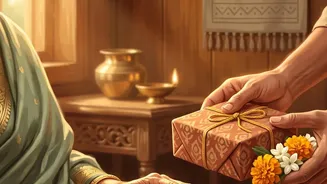


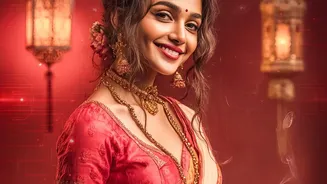
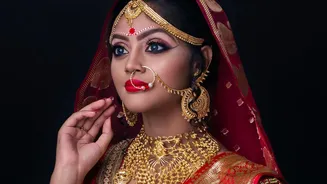
Gold in India is more than just a precious metal; it’s a vessel of memory, culture, and wealth passed through generations. But as lifestyles evolve, so does our relationship with these heirlooms, now being creatively reimagined for the modern world.
From the Locker to Everyday Luxury
For
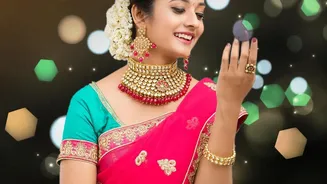
generations, heavy gold sets were synonymous with weddings and festivals, spending most of their lives in a bank locker. Today, that mindset is changing. Younger generations view their inherited jewellery not just as a sentimental or financial asset, but as a form of self-expression waiting to be unlocked. The focus has shifted from preserving pieces in their original, often cumbersome form, to adapting them for wearability. This new wave of customisation is driven by a desire to honour heritage while making it relevant to contemporary life, blending the lines between ceremonial attire and everyday elegance. It's no longer about letting gold sit idle, but integrating its legacy into a modern wardrobe.
The Art of Thoughtful Deconstruction
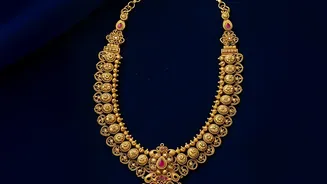
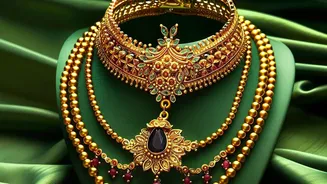
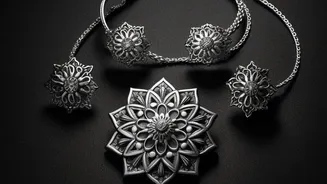
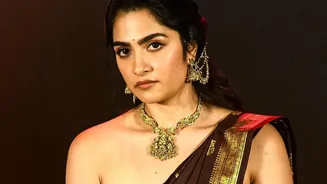
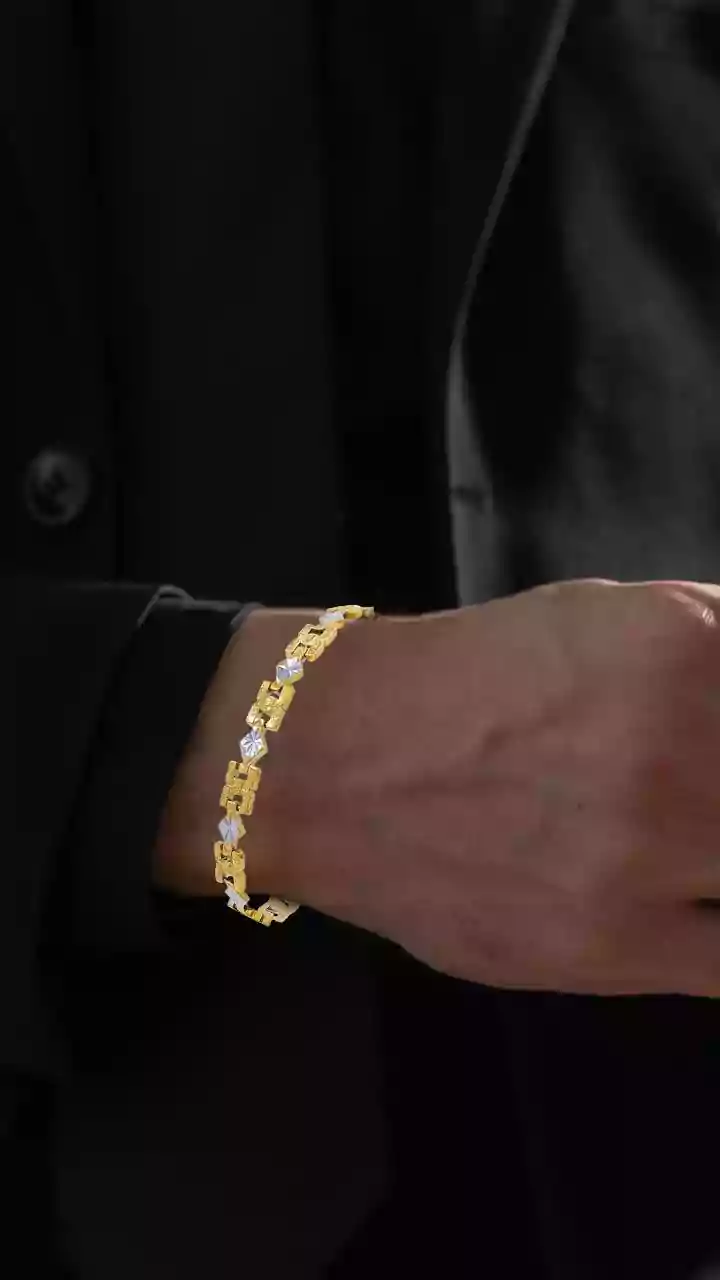
So, how is a bulky, traditional set transformed? The process is a creative collaboration between owner and artisan. A heavy bridal necklace, for instance, might be deconstructed to create multiple, lighter pieces. Its intricate pendants could be repurposed onto delicate chains for daily wear, while side motifs are fashioned into matching earrings or a bracelet. Old-fashioned 'kadas' or thick bangles are often melted down and redesigned into sleeker, stackable versions that complement both office wear and festive outfits. Jewellers report a surge in requests to turn single, forgotten earrings into stylish rings or to pair an antique locket with a modern pearl chain, ensuring no part of the original treasure goes to waste.
Modular and Multi-Functional Designs
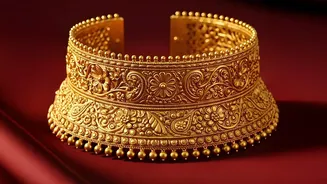
Versatility is the keyword for modern jewellery enthusiasts. A major trend is the creation of modular or multi-functional pieces. Brides are now opting for designs that offer more than one look. A statement choker might come with a detachable pendant, or long 'haars' are crafted to be worn at different lengths. Elaborate 'jhumkas' are being designed so the top stud can be worn alone for a minimalist look. This approach extends the life of investment pieces far beyond the wedding day, allowing them to be adapted for anniversaries, parties, or even important work events. It’s a practical and sustainable way to get maximum value and wear out of high-value jewellery.
The Modern Jeweller as a Creative Partner
This evolution is being powered by both long-standing family jewellers and a new generation of designers. They are no longer just sellers; they are collaborators in the creative process. Using technologies like CAD (Computer-Aided Design), jewellers can show clients a virtual preview of how their heirloom will look once transformed. This allows for precise customisation, from altering a 'mangalsutra' to make it more suitable for daily wear with western outfits to redesigning a 'polki' set with a different gemstone palette. They blend traditional techniques like 'meenakari' (enamelling) or 'kundan' (gemstone setting) with contemporary aesthetics to create fusion pieces that are both unique and personal.
A New Chapter for Heirlooms
Ultimately, the customisation of traditional gold jewellery is about storytelling. It reflects a deep respect for the past, combined with the confidence of the present. These reimagined pieces carry the blessings and memories of previous generations but are shaped by the personal style and identity of the current owner. By blending antique finishes with lightweight forms or pairing temple motifs with minimalist chains, families are ensuring their most precious assets are not just preserved, but are actively worn, loved, and celebrated. The trend signifies a beautiful balance: honouring where you come from while expressing who you are today.