




Why Fermentation Works in Monsoon
During the rainy season, our digestive systems can become more sensitive, and a dip in immunity is common. Fermented foods are packed with probiotics, the beneficial bacteria that support a healthy gut, improve digestion, and help ward off infections.
The process of fermentation also breaks down food, making nutrients easier for our bodies to absorb. This makes them the perfect antidote to the heavy, oily foods we often crave when it rains, providing a fresh, tangy contrast that cuts through richness and prevents bloating.
The Timeless Power of Dahi
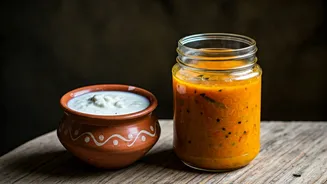
Dahi, or homemade curd, is perhaps India's most loved fermented food and an incredibly versatile side. It's a time-tested way to cool the stomach and aid digestion, thanks to its live cultures. While a comforting bowl of dal makhani or a plate of spicy biryani warms you up, a side of plain dahi or a simple raita with cucumber and mint provides a refreshing, balancing effect. It's gentle on the stomach and helps counteract the heat of spicy dishes, making rich meals feel lighter and more digestible.
Achaar: More Than Just a Condiment
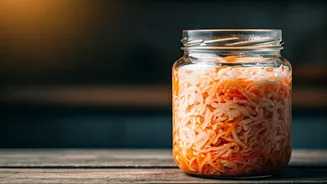
Traditionally made homemade pickles, or achaar, are a treasure trove of probiotic goodness when consumed in moderation. Unlike commercially produced pickles, those fermented naturally with salt and spices can introduce beneficial bacteria to your gut. A small spoonful of mango, lemon, or chilli pickle can bring a meal to life. Its sharp, spicy, and tangy notes are the perfect foil for a simple meal of khichdi or parathas, making a simple dish feel complete and aiding in digestion by stimulating saliva production.
Kanji: The Fermented Drink That Refreshes
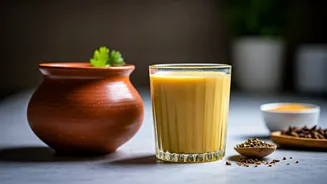
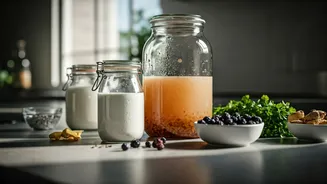
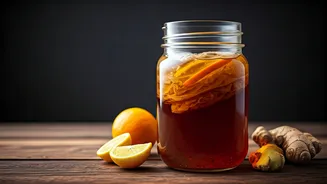
Kanji is a traditional North Indian fermented drink, typically made from black carrots or beetroot, water, and mustard seeds. It has a unique sour and pungent taste that is incredibly refreshing. Served chilled, it acts as a wonderful appetiser or a digestive aid alongside a meal. During monsoon, when you want to avoid cold, sugary drinks, a glass of kanji provides hydration along with a dose of probiotics. It pairs beautifully with stuffed parathas or a hearty plate of chole bhature, cleansing the palate and supporting gut health.
Steamed and Spongy: The Magic of Dhokla
While often seen as a snack, dhokla, the steamed and spongy savoury cake from Gujarat, is a brilliant example of a fermented side. Made from a fermented batter of gram flour (besan) or rice and lentils, it is light, airy, and easy on the stomach. Serving a few pieces of plain, freshly steamed dhokla alongside a rich vegetable curry or a paneer dish adds a different texture and a pleasant, subtle tang. It provides the satisfaction of a bread-like accompaniment without the heaviness of fried alternatives.
South Indian Staples: Idli and Dosa Batter
The fermented batter for idli and dosa is a cornerstone of South Indian cuisine for good reason. While they are often main courses, small, freshly steamed idlis can serve as a fantastic, light side dish. They are incredibly easy to digest and help balance a spicy, flavourful meal like a Chettinad curry or a rich sambar. The natural fermentation process makes the nutrients in the rice and lentils more bioavailable, offering a healthy, filling, and balancing element to your monsoon plate.