



Why Noise Is a Bigger Deal for Pets
A pet's experience of the world is vastly different from our own, especially when it comes to hearing. Cats and dogs can detect a much wider range of sound frequencies than humans. Sounds that are completely inaudible to us, like the high-frequency hum of an electronic
device, can be irritating or even painful for them. Common household items like vacuum cleaners, microwave ovens, and even the low-battery beep of a smoke detector can be significant sources of anxiety. This isn't just a minor annoyance; chronic exposure to loud or unpleasant noise can lead to a state of constant stress. This affects an animal's physical and psychological well-being, potentially causing weakened immunity, digestive problems, or behavioral issues like aggression or destructive habits.
Signs of Noise Sensitivity to Watch For
Noise anxiety can manifest in various ways, and the signs are often subtle at first. In both dogs and cats, one of the most common reactions is to hide or attempt to escape. A dog might start panting excessively, drooling, whining, or pacing restlessly. You may also notice them trembling or sticking unusually close to you for comfort. Cats, being more subtle, often show stress by withdrawing, losing their appetite, over-grooming, or having dilated pupils. If you notice these behaviors consistently correlating with specific sounds—like the dishwasher cycle starting or traffic outside—your pet is likely sensitive to noise. Some breeds, particularly herding dogs, may be genetically predisposed to anxiety disorders, including noise aversion.
How to Assess Your Home's Soundscape
Before bringing a pet home, take a moment to simply listen. What do you hear? Pay attention to both indoor and outdoor sounds. Common culprits include the rumble of garbage trucks, nearby construction, neighborhood dogs barking, and the constant hum of appliances. High-frequency, intermittent sounds are often more stressful for dogs than low-frequency, continuous ones. While you don't need professional equipment, you can use a decibel meter app on your smartphone to get a general idea of noise levels. Sounds consistently above 85 decibels can cause hearing damage in dogs over time. To put that in perspective, a typical vacuum cleaner can operate in that range. Mapping out these 'noise hotspots' and their timings can help you plan your pet's routine and living space.
Practical Steps for a Quieter Home
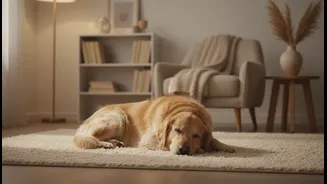
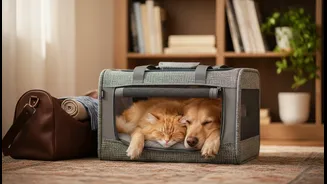
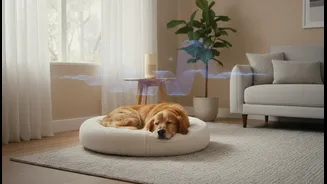
Creating a more peaceful auditory environment doesn't have to be complicated or expensive. One of the most effective strategies is to create a designated 'safe space' for your pet. This could be a crate covered with a blanket in a quiet room, a closet with a comfy bed, or a corner away from windows and doors. This space should be a tech-free zone, away from the ultrasonic noises emitted by electronics. You can also muffle external sounds by closing windows and drawing curtains. Soft furnishings like rugs, carpets, and upholstered furniture are excellent at absorbing sound. Finally, consider using a white noise machine or playing calming, quiet music to mask sudden, startling noises from outside. Pheromone diffusers and calming compression wraps can also provide an added layer of security for an anxious animal.
Managing Your Pet’s Experience
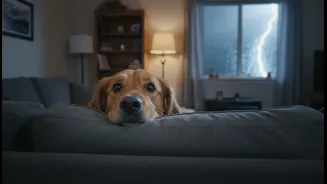
Beyond modifying your home, managing your pet’s experience is key. When you know a noisy event like a thunderstorm is coming, be proactive. Move your pet to their safe space before the noise begins. It is a myth that comforting a scared pet reinforces the fear; you are providing security, not rewarding anxiety. Offer a distraction, like a long-lasting chew or a food puzzle, to create a positive association. For ongoing, predictable noises, a process of gradual desensitization can be effective. This involves playing recordings of the trigger sound at a very low volume while rewarding your pet for calm behavior, slowly increasing the volume over time. Most importantly, your own calm demeanor is crucial, as pets are highly attuned to their owner's emotional state.