






A Heritage Superfood Reimagined
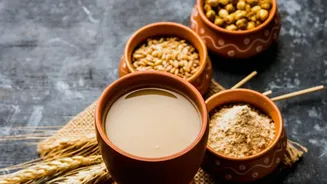
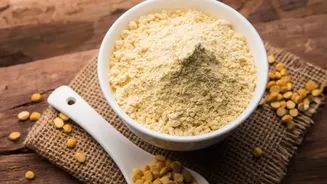
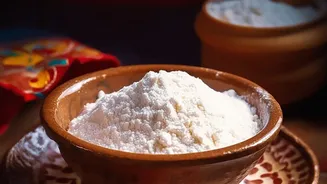
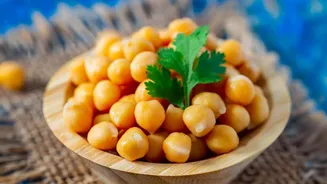
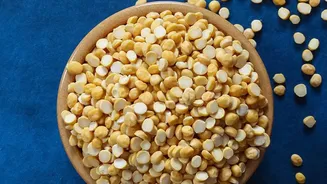
For generations, sattu—a flour made from roasted Bengal gram (chana)—has been a dietary staple in states like Bihar, Uttar Pradesh, and West Bengal. Often called the 'poor man's protein,' it was the go-to source of energy for farmers and labourers. Today,
this perception is changing as urban fitness enthusiasts rediscover sattu not as a compromise, but as a superior, natural alternative to heavily processed supplements. Its magic lies in the traditional preparation: roasting the gram enhances its nutritional value and makes it easier to digest, all without chemicals or preservatives.
The Protein-per-Rupee Champion
For any budget-conscious athlete, the cost per gram of protein is a critical metric. This is where sattu truly shines. While a kilogram of a popular whey protein can cost anywhere from ₹2,500 to ₹6,000, a kilo of quality sattu is available for a fraction of that, often between ₹80 and ₹150. While whey protein offers more concentrated protein per serving (around 24g), sattu provides a respectable 20-25 grams of protein per 100g. When you do the math, sattu delivers high-quality plant-based protein at a cost that is 8 to 12 times lower than whey, making it the undisputed champion of affordability.
More Than Just Muscle Fuel
Sattu's benefits extend far beyond its protein content. It is incredibly rich in dietary fibre, with about 18g per 100g. This high fibre content aids digestion, prevents bloating, and promotes a feeling of fullness, which is crucial for weight management and curbing unhealthy cravings. Furthermore, sattu is packed with complex carbohydrates that provide a slow, sustained release of energy, making it an excellent pre-workout meal. Its low glycemic index also helps regulate blood sugar levels, preventing the energy spikes and crashes associated with sugary drinks and snacks.
The Ultimate Fitness Ally
Whether your goal is muscle gain, weight loss, or simply staying active, sattu is a versatile ally. As a post-workout recovery drink, its protein content helps repair and build muscle tissue. The rich mineral profile, including iron and magnesium, combats fatigue and supports metabolism and bone health. During hot summer months, a sattu drink acts as a natural coolant and electrolyte replenisher, keeping the body hydrated and energised. This combination of muscle support, sustained energy, digestive health, and hydration makes it a holistic fitness food.
Crafting Your Perfect Sattu Bowl
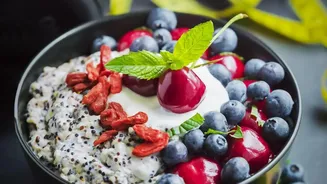
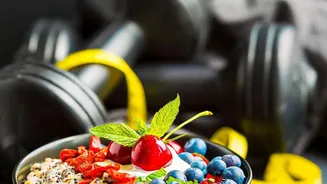
The beauty of sattu lies in its versatility. It can be prepared as a drink, a porridge, or even added to rotis and parathas. The most popular method is a simple drink or a thick 'bowl'. For a savoury version, mix 2-3 tablespoons of sattu with water, black salt, roasted cumin powder, finely chopped onions, and a squeeze of lemon. For a sweet treat, blend sattu with water or milk, jaggery or honey, and a pinch of cardamom. You can adjust the consistency by adding more or less water to create anything from a thin, refreshing sharbat to a thick, spoonable bowl that serves as a complete meal.