

The Perfect Driving Weather
The single greatest reason to plan your trip between October and December is the idyllic weather. After the monsoon showers have cleared the dust, Rajasthan's climate becomes blissfully pleasant. Daytime temperatures typically hover between a comfortable
20°C and 30°C, ideal for exploring majestic forts and bustling bazaars without breaking a sweat. The intense heat that defines the state for much of the year recedes, making long drives not just bearable but genuinely enjoyable. You can roll down your windows and enjoy the journey through a landscape that is often still tinged with green from the recent rains. Evenings and nights are cool, perfect for enjoying rooftop dinners or cultural performances under the stars, especially in the desert camps of Jaisalmer.
From the Pink City to the Blue City
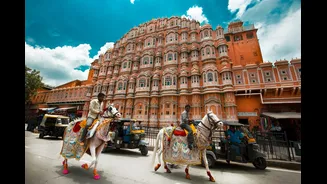
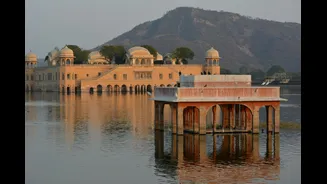
Your journey begins in Jaipur, the Pink City. Before you hit the road, the pleasant winter weather is perfect for exploring landmarks like Amber Fort, Hawa Mahal, and the City Palace. The drive from Jaipur to Jodhpur is approximately 350 kilometres and takes about five to six hours on well-maintained national highways. This leg of the trip takes you from the bustling capital into the heart of the Marwar region. The roads are generally excellent, making for a smooth and scenic drive. As you approach Jodhpur, the landscape becomes more arid, and the first glimpse of the colossal Mehrangarh Fort, perched high above the city, is an unforgettable sight. This is the perfect place to break your journey for a night.
Exploring the Sun City's Charms
Jodhpur, known as the Blue City for its azure-painted houses, is a joy to discover in the mild winter sun. You can spend hours wandering the labyrinthine alleys of the old city without the oppressive heat of summer. A visit to the magnificent Mehrangarh Fort is a must, offering panoramic views of the blue expanse below. The cooler temperatures make it comfortable to explore the sprawling fort complex, its palaces, and museums. Other highlights include the serene Jaswant Thada, a beautiful marble cenotaph, and the bustling Sardar Market near the clock tower, where you can shop for local handicrafts and spices. The comfortable weather allows for adventure activities too, like the famous zip-lining experience around the fort.
The Golden Journey to Jaisalmer
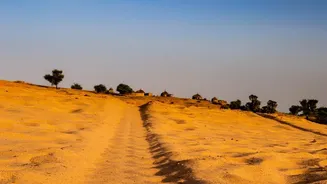
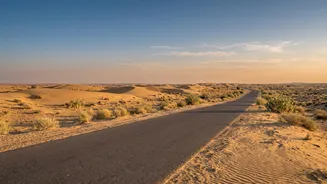
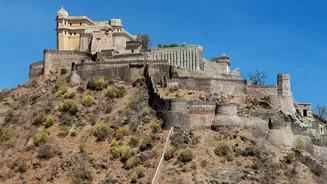
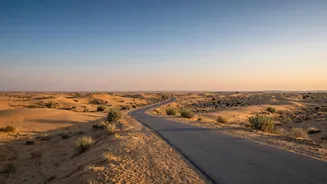
The drive from Jodhpur to Jaisalmer, roughly 280 kilometres, is where the true desert experience begins. The landscape transforms dramatically, with the roads stretching out through sparse scrubland and, eventually, the golden sands of the Thar Desert. The highway is generally in good condition, but the journey feels more remote as towns become fewer and farther between. This leg is less about the stops and more about soaking in the vast, mesmerising emptiness of the desert. Arriving in Jaisalmer, the Golden City, feels like reaching a fabled outpost. The city's magnificent fort, a living citadel carved from yellow sandstone, seems to rise organically from the desert floor.
Desert Magic Under Winter Skies
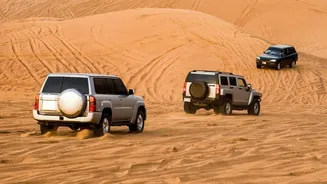
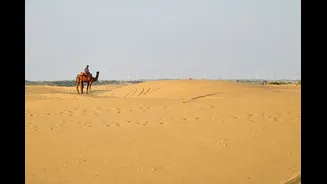
Jaisalmer is where an early winter trip truly shines. The season is perfect for the quintessential desert safari experience at the Sam Sand Dunes. Unlike the scorching hot or bitingly cold extremes of other seasons, the daytime weather is ideal for a camel ride across the dunes to watch a spectacular sunset. The nights are cool and clear, perfect for gathering around a bonfire to enjoy traditional Rajasthani folk music and dance before retiring to a cozy desert camp. Stargazing in the crisp, unpolluted desert air is an experience in itself. Exploring the living Jaisalmer Fort and the intricately carved havelis within its walls is also far more pleasant in these temperatures.
A Season of Festivals
Early winter is also a time of celebration in Rajasthan. Depending on the lunar calendar, your trip might coincide with vibrant festivals like the Pushkar Camel Fair in November or the Marwar Festival in Jodhpur in October. Even if you miss the major festivals, the season is alive with cultural events and a general festive spirit. For instance, the Mount Abu Winter Festival takes place in late December, showcasing folk dances and music. This period also falls just before the absolute peak tourist rush of late December and January, meaning you can often enjoy popular sights with slightly fewer crowds.