

A National Shift in Thinking
In recent years, a clear consensus has emerged among India's top health and nutrition bodies: the nation needs to pay more attention to protein. This new focus stems from a growing body of evidence highlighting a significant gap in Indian diets. While
national initiatives like the POSHAN Abhiyaan (National Nutrition Mission) have long aimed to tackle malnutrition, there is now a specific emphasis on protein quality and quantity. This shift is driven by stark findings, including data showing that a large percentage of the population is protein-deficient despite consuming enough calories. The Indian Council of Medical Research (ICMR) has been vocal, not just about meeting protein requirements, but also about sourcing it from whole foods rather than relying on supplements.
Why Protein, Why Now?
The urgency behind this protein push is rooted in public health. Chronic protein deficiency is linked to serious issues like stunting in children (35% of Indian children under five are stunted), low muscle mass, weakened immunity, and poor metabolic health across all ages. The average Indian adult requires about 0.8 to 1 gram of protein per kilogram of body weight daily, but many fall short, consuming closer to 0.6 grams. This gap contributes to fatigue, slower recovery from illness, and an increased risk of lifestyle diseases. Experts now see addressing this protein gap as critical for building a healthier, more productive population and strengthening the nation's human capital.
The Great Indian Protein Paradox
A key challenge is the 'protein paradox': how can a country with such a rich variety of dals, legumes, and dairy products have a protein problem? The issue lies not in availability, but in dietary composition. A recent CEEW study found that nearly 50% of the protein in Indian diets comes from cereals like rice and wheat, which are considered lower-quality sources. Traditional Indian meals are often carbohydrate-heavy, with a large portion of rice or roti and only a small katori of dal. This imbalance means that while stomachs are full, the body's protein needs for muscle repair, hormone production, and immune function are not being adequately met.
How to Bridge the Gap
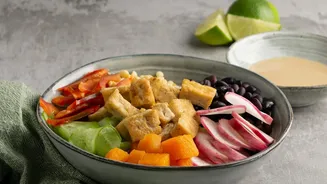
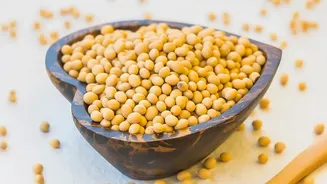
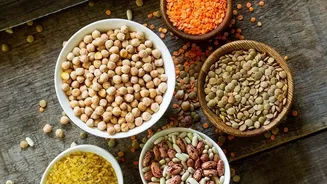
The good news is that bridging the protein gap doesn't require expensive or foreign foods. The focus is on rebalancing the existing Indian thali. Nutritionists recommend simple swaps and additions. This includes increasing the portion size of dal, legumes, paneer, tofu, or eggs at every meal. For non-vegetarians, lean meats and fish are excellent options. Combining cereals with pulses, like in dal-rice or khichdi, improves the overall amino acid profile of the meal. Other protein-rich additions include soya chunks, roasted chana, peanuts, and Greek yogurt (hung curd). The goal is to ensure a dedicated protein source is on your plate for breakfast, lunch, and dinner, not just as a small side dish.
Reading Labels and Avoiding Pitfalls
As protein awareness grows, so does marketing. The Food Safety and Standards Authority of India (FSSAI) has regulations for what can be labelled 'high protein', but it's wise to be a discerning consumer. Always check the nutrition panel on the back of the package to see the actual grams of protein per serving, rather than just relying on front-of-pack claims. The ICMR also cautions against the routine use of protein supplements, emphasising that for most people, dietary needs can and should be met through whole foods. Excessive supplement use can be unnecessary and may even strain the kidneys.