


Choosing Your First Herbs
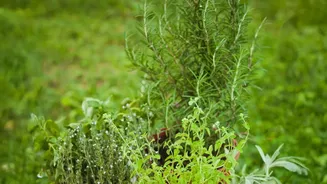
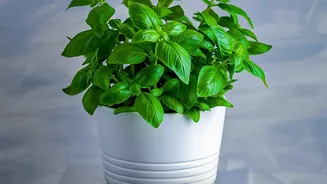
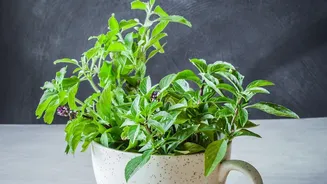
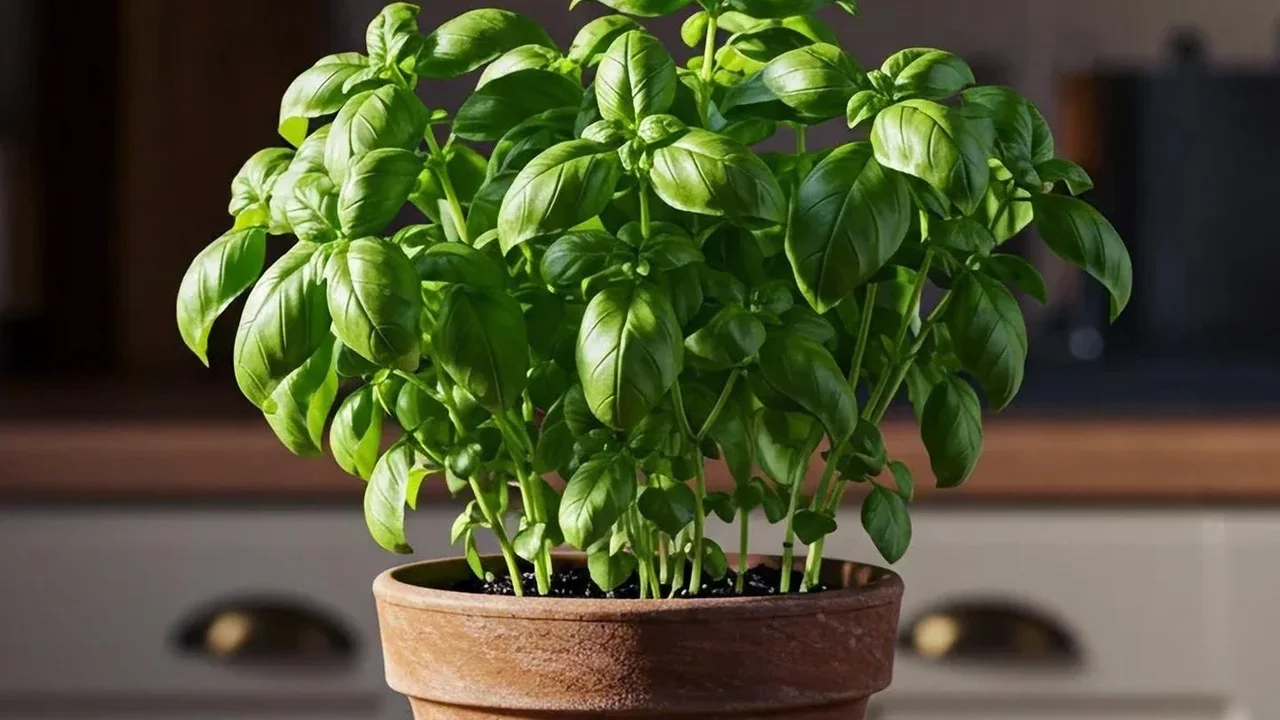
The key to a successful balcony garden is starting with herbs that are both easy to grow and essential to your kitchen. For most Indian homes, this means focusing on a few hardy favourites. Tulsi (Holy Basil) is a must-have, thriving in pots with plenty
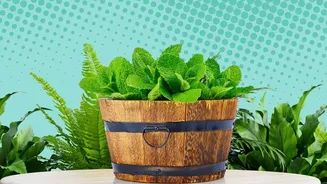
of sunlight and regular watering. Mint (Pudina) is another excellent choice; it grows vigorously, so keeping it in a container is ideal to control its spread. It prefers moist soil and can tolerate partial shade. Coriander (Dhania) is perfect for container gardening and can be harvested in just a few weeks. It does well with moderate sunlight. Curry leaves (Kadi Patta) are another staple that, while slow to start, will provide flavour for years with enough warmth and sun. Finally, consider Ajwain (Carom), which grows well in sunny spots and has both culinary and medicinal uses.
The Right Pot and Placement
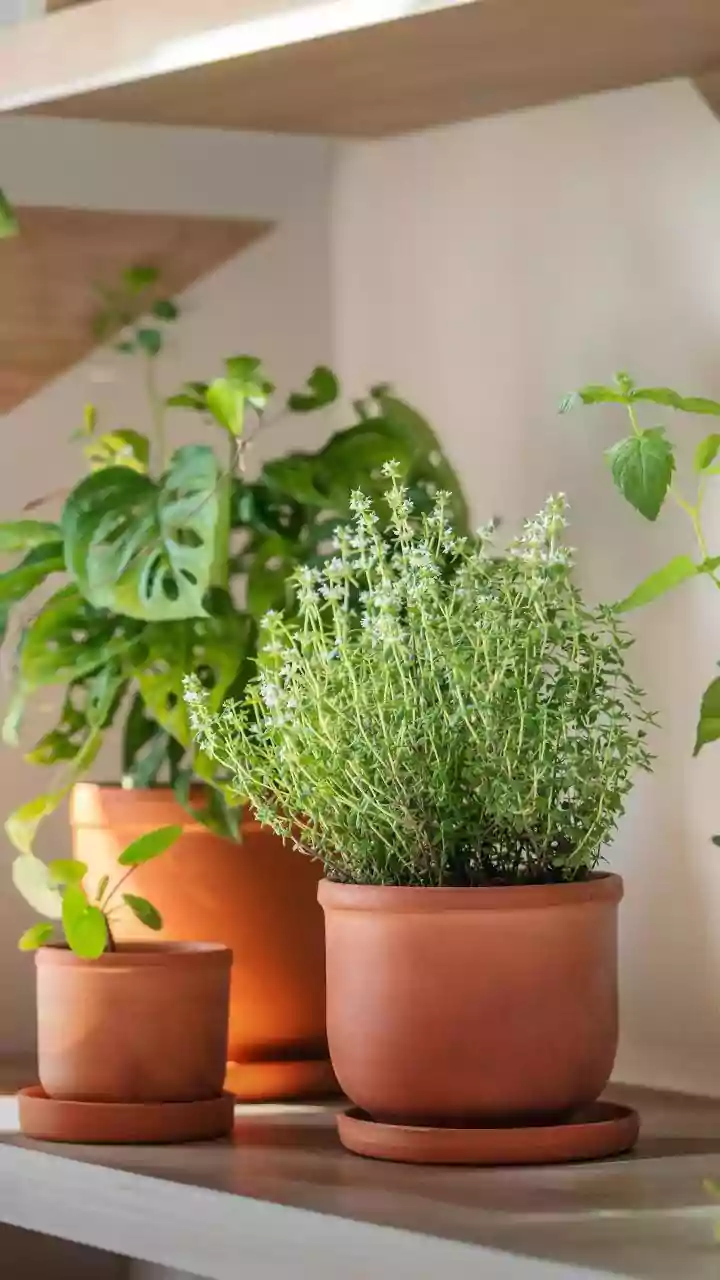
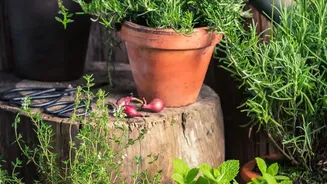
Your choice of container is crucial. Terracotta pots are a great option as they are porous and allow the soil to breathe, preventing waterlogging which most herbs dislike. Whatever you choose, ensure every pot has drainage holes at the bottom. Without proper drainage, roots can rot. Balcony sunlight is your next consideration. Most herbs, including Tulsi and Curry Leaves, need at least 4-6 hours of direct sunlight to flourish. An east-facing balcony that gets gentle morning sun or a south-facing one with stronger light are both excellent. Herbs like mint and coriander are more forgiving and can manage with partial sun, making them suitable for balconies with less direct light.
Creating the Perfect Soil Mix
Herbs grown in containers need a potting mix that is light, well-draining, and rich in nutrients. Simply using heavy garden soil will lead to compaction and poor growth. You can create an ideal mix at home by combining a few key ingredients. A good general-purpose recipe is to mix one part garden soil, one part compost or vermicompost, and one part cocopeat (coconut coir). The soil provides anchorage, the compost delivers essential nutrients, and the cocopeat helps retain moisture while keeping the mix light and airy. You can also add a small amount of sand to improve drainage further. This balanced blend creates the perfect environment for healthy root development in a confined space.
Watering and Basic Care
Overwatering is one of the most common mistakes in container gardening. The rule of thumb is to check the soil before you water. Stick your finger about an inch into the soil; if it feels dry, it's time to water. Water thoroughly until you see it run out of the drainage holes, then allow the top layer to dry out before the next watering. To keep your herbs productive, regular harvesting is key. Pinching or snipping leaves from the top of plants like basil and mint encourages them to become bushier and produce more foliage. For coriander, you can start snipping the outer leaves once the plant is about six inches tall, allowing the centre to continue growing. Regularly removing any old or yellowing leaves will also promote healthy new growth.
Troubleshooting Common Problems
Even with the best care, you might encounter a few issues. If you notice yellowing leaves, the cause is often related to watering—either too much or too little. Adjust your watering schedule based on how the soil feels. Small pests like aphids can sometimes appear, especially on new growth. Often, a strong spray of water is enough to dislodge them. For more persistent pests, a simple solution of neem oil mixed with water and a drop of liquid soap can be an effective organic pesticide. If you find a plant is struggling, check its location. It may be getting too much harsh afternoon sun or not enough light. Don't be afraid to move your pots around to find the perfect spot on your balcony.