





Kitchens: The Countertop Conundrum
The kitchen is a high-traffic zone prone to spills and stains, making countertop choice crucial. While the dramatic veining of marble is undeniably beautiful, it's a porous natural stone that can stain easily. For a similar look without the high maintenance,
consider quartz. As an engineered stone, it's non-porous, meaning it naturally resists stains from things like wine and coffee without needing to be sealed. Granite is another durable natural stone option, but it requires periodic sealing to maintain its stain resistance. Solid surface materials are another practical choice, offering a seamless and non-porous finish that is easy to repair. The goal is a surface that works as hard as you do, without demanding constant worry.
Flooring: The Foundation of Cleanliness
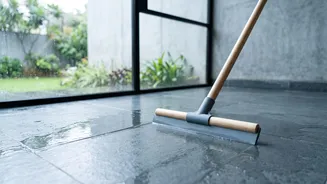
Floors take the brunt of daily life, from dusty shoes to pet paws. In the Indian climate, vitrified tiles are a popular and practical choice. They are durable, water-resistant, and low-maintenance, making them easy to mop and keep clean. Using large-format tiles further reduces the number of grout lines, which are notorious for trapping dirt. While hardwood flooring offers warmth, it can be susceptible to scratches and water damage. Similarly, high-pile carpets can trap dust and allergens, making them difficult to deep clean. For a balance of aesthetics and practicality, luxury vinyl plank (LVP) and laminate flooring offer the look of wood but with greater scratch and water resistance.
Living Spaces: Upholstery and Fabrics
That beautiful linen sofa might look perfect on Pinterest, but it may not be the best choice for a home with children or frequent guests. Natural fibres like linen and silk can be delicate and unforgiving with spills. Instead, look towards performance fabrics like Crypton or Revolution. These materials are specifically designed to be stain-resistant and are often cleanable with just water or simple household cleaners. Microfiber is another excellent synthetic option known for being easy to clean. Leather is also a durable and easy-to-clean choice, as spills can often be wiped away quickly, though it may require occasional conditioning.
Bathrooms: Minimising Grout and Grime
Bathrooms combine moisture with daily use, creating a prime environment for mould and mildew. Small, intricate tiles like penny tiles mean more grout lines to scrub. Opting for large-format porcelain tiles reduces grout and creates a cleaner look. For countertops, quartz is again a strong contender due to its non-porous nature. Also, consider the finish of your fixtures. Matte black taps and showerheads look sleek but can be high-maintenance, showing every water spot and fingerprint. Finishes like brushed nickel or chrome are often more forgiving and easier to keep looking clean.
Walls and Finishes: The Unseen Details
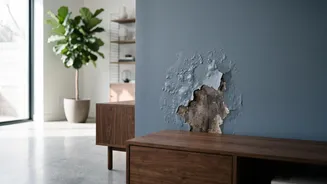
The paint on your walls also plays a role in maintenance. While a flat or matte finish is great for hiding imperfections on ceilings or in low-traffic rooms, it’s the least durable and hardest to clean. For hallways, kitchens, and kids' rooms, an eggshell or satin finish is a much better choice. These sheens have a slight lustre that makes them more durable and easier to wipe down without leaving marks. Semi-gloss is even more durable and ideal for trim, doors, and cabinets that are touched frequently. Beyond paint, consider design elements like open shelving, which can become a magnet for dust and clutter, versus closed cabinetry that keeps items contained and surfaces clear.