






The Big Picture: A Drier End to the Monsoon
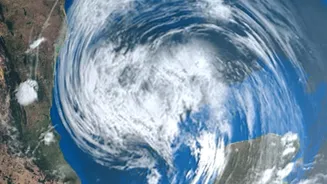
The IMD's outlook for August and September 2026 suggests that the country as a whole will likely receive 'below-normal' rainfall. This is defined as precipitation less than 94% of the Long Period Average (LPA), a benchmark calculated from rainfall data
between 1971 and 2020. This trend is being influenced by strengthening El Niño conditions in the Pacific Ocean, which are often associated with weaker monsoon rains in India. However, the national average doesn't tell the whole story. The forecast also highlights significant regional variations. Some areas, including parts of peninsular, central, and northeast India, may still experience normal to above-normal rainfall, making localised information more important than ever.
From Regions to Residences: Why Local Forecasts Matter
In the past, weather forecasts were broad, often covering an entire state. This was of limited use for individual decisions, as rainfall can vary dramatically within a single district. A forecast for a whole region might show a deficit, while your specific area could be bracing for a downpour. Recognising this, the IMD has been enhancing its forecasting capabilities to provide hyper-local predictions at the district and even block level. This granular data, powered by advanced models and a denser network of weather stations, transforms the forecast from a general advisory into an actionable tool for everyday life. It allows households to prepare for specific conditions and helps travellers plan routes with greater confidence, avoiding weather-related disruptions.
How to Access Your District's Forecast
Finding this detailed information is straightforward. The primary resource is the IMD's official website, mausam.imd.gov.in. Once on the homepage, you can navigate to the 'District Forecast' or 'City Forecast' sections. These pages typically provide a 5- to 7-day outlook with details on expected rainfall, temperature, and warnings for your specific area. For an even more localised view, the IMD is expanding its block-level forecasts, which are disseminated through various channels, including Agromet Field Units (AMFUs) associated with agricultural universities. Many private weather apps and websites also source their data from the IMD, often presenting it in user-friendly graphical formats. When using these, it's always a good practice to check if they are powered by IMD data for reliability.
Practical Planning for Every Household
With a reliable district forecast in hand, households can plan proactively. If a period of heavy rain is predicted, it's a prompt to check for potential leaks in roofs and walls, clear clogged drains, and ensure emergency supplies are ready. For those in low-lying areas, it provides a crucial window to prepare for potential waterlogging. Conversely, if the forecast indicates a prolonged dry spell in a 'below-normal' rainfall scenario, it's a signal to prioritise water conservation. This could mean fixing leaky taps, using water judiciously for daily chores, and preparing for potential water shortages. The forecast empowers families to move from reacting to the weather to proactively managing its impact on their homes and daily routines.
Smarter and Safer Travel in the Late Monsoon
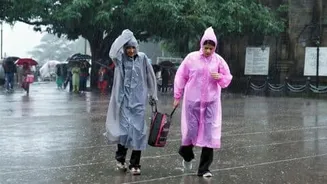
For anyone planning to travel during August and September, district-level forecasts are an essential planning tool. Before booking a trip, check the 7-day outlook for your destination to understand the likely conditions. If you're planning a road trip, use the forecast to check for heavy rainfall warnings along your route, which could lead to landslides in hilly areas or flooded roads elsewhere. Packing becomes easier and more effective; you'll know whether to prioritise raincoats and umbrellas or lighter clothing. Most importantly, it allows for building flexibility into your itinerary. If a severe weather warning is issued for your destination, you have the chance to alter your plans, ensuring a safer and more enjoyable journey. This level of foresight can be the difference between a relaxing holiday and one fraught with weather-related stress.