


The Great Indian Time Crunch
The traditional, elaborate Indian meal, once the centerpiece of daily life, is facing a modern challenge: time. With more dual-income households, demanding jobs, and longer commutes, spending hours in the kitchen is no longer feasible for many. This isn't
a story of abandoning the kitchen, but of adapting it. Home cooks across the country are rewriting the rules, driven by a desire to provide fresh, wholesome food for their families without sacrificing precious personal time. The challenge is clear: how to retain the soul of Indian cooking—its complex flavours and nutritional wisdom—while fitting it into a packed schedule. The answer lies in smart techniques, careful planning, and a new definition of what makes a meal 'fast'.
Redefining 'Fast Food' at Home
The term 'fast food' is being reclaimed in Indian homes. Instead of signifying greasy, unhealthy options, it now describes balanced meals that can be on the table in under 30 minutes. The secret is a blend of planning and embracing shortcuts that don't compromise on health. This includes the growing trend of meal prepping, a concept once seen as Western but now adapted for the Indian pantry. Prepping ingredients, rather than entire dishes, is a popular strategy. This might involve chopping vegetables for the next two days, boiling lentils and legumes in advance, or preparing a base onion-tomato gravy that can be used for various curries throughout the week. This approach keeps meals fresh and varied while cutting down daily cooking time significantly.
The Modern Kitchen Arsenal
Technology is a key ally in this culinary speed-run. The humble pressure cooker, a long-time staple, remains the undisputed hero for cooking dals, rice, and meats in a fraction of the time. But it's now joined by a host of other appliances. Air fryers are increasingly popular for making snacks and vegetables crispy with minimal oil. High-powered mixer-grinders and blenders can create pastes and batters in seconds, a task that once required significant manual effort. Induction cooktops offer quick, efficient heating, while convection microwaves have evolved from mere reheating devices to tools for grilling and baking. Even dishwashers are finally finding their place, tackling the post-cooking cleanup that often deters people from cooking at home.
The Rise of the One-Pot Meal
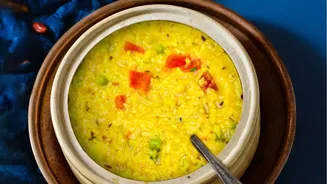
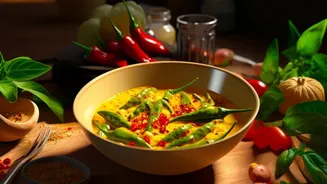
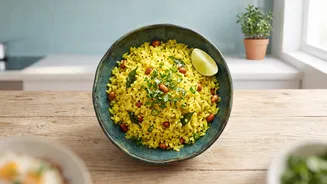
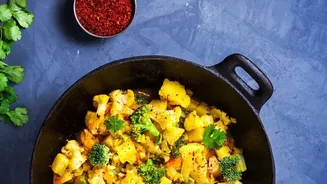
One-pot meals are the perfect solution for a time-pressed, nutrition-conscious cook. Dishes like vegetable khichdi, dalia, and pulao combine grains, lentils, and vegetables into a single, balanced dish. These recipes are not only quick to assemble but also easy to digest and incredibly versatile. You can throw in seasonal vegetables, add paneer or chicken for extra protein, and adjust spices to your liking. Traditional comfort foods like rajma and chana masala, once considered weekend projects, are now weeknight-friendly thanks to pressure cookers and pre-soaked beans. Similarly, savoury porridges like masala oats and semolina upma offer a quick and healthy breakfast or light dinner option.
Smart Shortcuts, Not Sacrifices
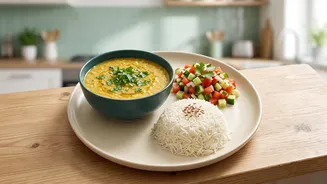
Crucially, this shift is not about sacrificing health or flavour for speed. Cooks are making conscious choices to maintain nutritional balance. This means loading up one-pot meals with extra vegetables, choosing whole grains, and using healthier cooking methods like grilling and steaming. Ready-made spice mixes and high-quality pastes save time without adding unhealthy preservatives. The focus is on retaining the core principles of a balanced Indian thali—combining protein (dal, paneer, chicken), carbohydrates (roti, rice), and vitamins (vegetables, salad)—but in a more consolidated and efficient format. It's about being smart with ingredients and techniques to ensure that even a quick meal is a complete one.