




More Than Just a Meal
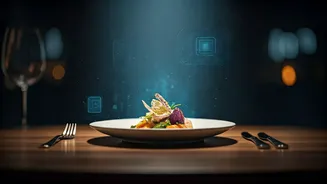
Imagine your dinner table becoming a stage, where art, music, and even scent are as crucial as the cuisine. This is the world of immersive dining, a trend that blends gastronomy with a rich, multi-sensory environment. It's an experience designed to be felt,
not just eaten. The goal is to create an unforgettable event that engages guests holistically, moving beyond the traditional restaurant model. In India, this trend is taking hold, with establishments in cities like Delhi, Mumbai, and Bengaluru reimagining what a night out can be. From theatrical performances that unfold as you eat to digital art galleries that change with each course, these restaurants are turning a simple meal into a performance.
A Symphony for the Senses
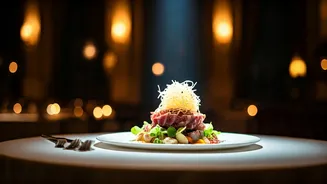
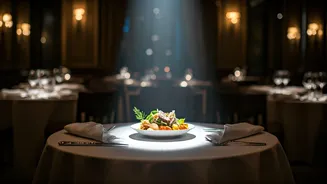
A successful immersive meal stimulates more than just your taste buds. It’s an orchestrated appeal to all five senses. Restaurants use projection mapping to turn walls into dynamic landscapes, curated soundscapes to influence mood, and even diffuse scents into the air to complement a dish. Research from institutions like Oxford University has shown how sound can alter our perception of taste, making high-pitched music enhance sweetness, for example. In Delhi, Dramique is described as India's first theatrical culinary destination, where the plating, lighting, and music all 'breathe the same rhythm' to create a unified performance. The menu itself tells a story, with dishes chosen to evoke specific moods and emotions.
Dining in a Different World
The core of the immersive trend is transportation. It’s about making diners feel they've entered a different world. In Bengaluru, The Azulian House at The Leela Palace is an agave-themed restaurant set within a space inspired by a botanist's home, surrounded by edible gardens to create a multi-sensory journey. In Mumbai, restaurants are creating theatrical, experimental dining scenes with multi-course tasting menus designed to engage diners in new ways. Some concepts extend beyond restaurant walls entirely, like Goa's Floating Feni Experience, where guests taste local spirits while standing in a natural spring. These experiences turn diners from passive consumers into active participants in a story.
The Psychology and Price of an Experience
So, why are people willing to pay a premium for these experiences? The answer lies in psychology. In an age of endless choice, diners are seeking more than sustenance; they crave connection, stories, and shareable moments. An immersive meal feels exclusive and memorable, justifying a higher price point because it offers more than just food—it offers an escape and an emotional connection. Studies show that today’s diners are often willing to spend more on a unique meal. This shift from a transactional meal to a transformative event is what gives it a premium feel. It’s about the memory you leave with, not just the satisfaction of a full stomach.
A Post-Pandemic Appetite for Novelty
The desire for unique, intimate, and meaningful gatherings has intensified in recent years. After a period of isolation and a boom in food delivery, many are looking for dining-out experiences that feel truly special. The rise of private supper clubs and chef-led bespoke culinary events across Indian metros is part of this shift. Discerning diners are trading crowded restaurants for hyper-customised, theatrical performances in unique venues, from private homes to art galleries. These curated events signal a new era where intimacy, storytelling, and a break from tradition are the ultimate luxuries.