





Swapping out seasonal wardrobes or decluttering your space? Choosing the right storage box is crucial for keeping your clothes in pristine condition. The perfect container protects from dust, pests, and damage. Here’s what to consider.
Material: Breathability vs. Protection
The material of
your storage box is the most critical decision. Plastic bins offer excellent protection against moisture and pests, making them ideal for garages or basements. Look for airtight plastic containers with latching lids for the best seal. However, they are not breathable and can trap moisture if clothes are not 100% dry, potentially causing mildew or yellowing on natural fibres. Fabric or canvas bins are breathable, which is excellent for natural fibres like wool and cotton as it prevents musty odours. They are best for storage inside a climate-controlled closet but offer less protection from water and pests. For precious items like wedding dresses or heirloom textiles, acid-free archival boxes are the gold standard. Avoid standard cardboard boxes for long-term storage, as they attract pests and absorb moisture.
Size and Shape: Maximise Your Space
Before you buy, measure the space where the boxes will live. Under-bed storage containers are flat and wide, perfect for reclaiming unused space. For closets, think vertically. Stackable bins with structured sides and interlocking lids are a game-changer for maximising shelf or floor space. Using containers of a similar size not only looks neater but also makes stacking much more stable and efficient. Also consider the contents; bulky sweaters and duvets need large, deep bins, while accessories or t-shirts can be organized in smaller containers. Don't overfill the boxes, as cramming clothes can cause deep, permanent creases and strain the fabric.
Storage Duration: Short-Term vs. Long-Term
How long you plan to store your clothes influences the type of box you should choose. For short-term, seasonal swaps (a few months at a time), breathable fabric bins are a great choice for items stored inside your home. They allow air to circulate, keeping clothes fresh. For long-term storage (a year or more), protection becomes the priority. Sturdy, airtight plastic bins are better suited to shield garments from dust, moisture, and pests over an extended period. However, be cautious with vacuum-sealed bags. While they are fantastic space-savers, they should only be used for short-term storage of durable items, as the compression can crush and permanently damage natural fibres like wool and silk.
Accessibility: See What You've Stored
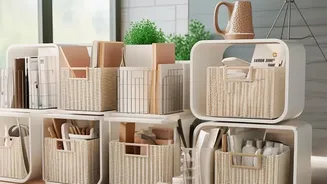
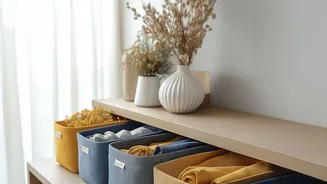
There’s nothing more frustrating than having to empty ten identical boxes to find one specific sweater. To avoid this, opt for clear plastic bins that allow you to see the contents at a glance. If you prefer opaque boxes for their ability to block light, choose ones with built-in label holders or simply attach a clear label to the outside. Labelling multiple sides is a pro-tip that helps you identify the contents no matter how the box is turned. For frequently accessed items in a closet, open-front stackable bins are incredibly useful, acting like a set of drawers that you can reach into without unstacking.
Protection from Pests and Moisture
Before anything goes into storage, ensure every item is thoroughly washed and completely dry. Pests are attracted to traces of food, sweat, and oils on fabrics. A sealed plastic container is your best defence against pests and humidity, especially in less-controlled environments like an attic or basement. For added protection inside any box, consider natural pest repellents. Cedar blocks or lavender sachets are a fantastic alternative to chemical mothballs, as they deter moths without leaving a harsh smell on your clothes. If you are using airtight plastic bins for natural fibres, throwing in a few silica gel packets can help absorb any ambient moisture.