





The Foundation Built by ISRO
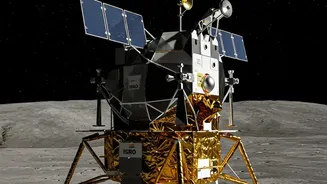
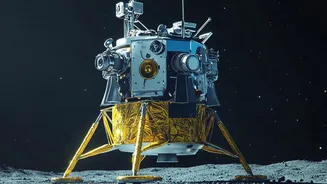
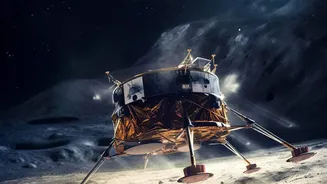
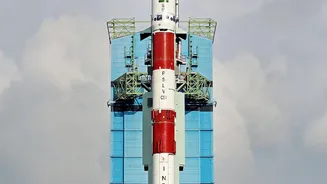
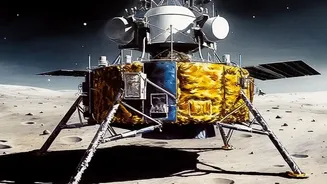
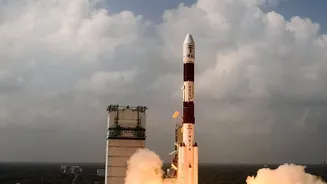
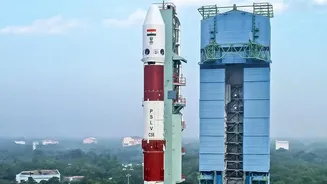
For over fifty years, the Indian Space Research Organisation (ISRO) single-handedly carried the nation's celestial ambitions. Through pioneering missions like Chandrayaan and the Mars Orbiter Mission, ISRO established India as a formidable space power,
renowned for executing complex and reliable missions at a fraction of the global cost. While private companies existed in this era, their role was primarily that of suppliers, manufacturing components for ISRO-led projects rather than developing their own technologies. This government-centric model built a robust foundation of infrastructure, talent, and national pride, launching hundreds of satellites for foreign countries and creating a strong reputation for dependability.
Opening the Sector: A Major Policy Shift
The landscape began to change dramatically in 2020 when the government announced sweeping reforms to open the space sector to private players. This culminated in the landmark Indian Space Policy 2023, which officially redrew the boundaries between public and private participation. The policy clarified that ISRO would transition its focus towards advanced research and development and scientific missions, while commercial activities would be handled by Non-Governmental Entities (NGEs). To facilitate this, a new regulatory body, the Indian National Space Promotion and Authorisation Centre (IN-SPACe), was created to act as a single-window agency, helping private firms get authorisations and access ISRO’s world-class facilities.
The Upstream Rush: Building India’s Private Rockets
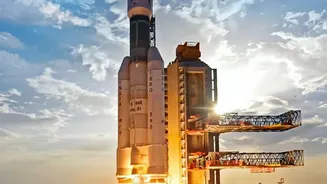
This new policy has ignited an entrepreneurial boom, particularly in the 'upstream' sector, which involves building and launching space assets. The number of space-tech startups has surged from just a handful before 2020 to over 400 today. Companies like Skyroot Aerospace and Agnikul Cosmos have become the faces of this new era. In a historic moment, Skyroot Aerospace successfully launched its Vikram-1 rocket, marking India's first-ever orbital launch by a private company. These startups are not just replicating old technologies; they are innovating with 3D-printed engines and all-carbon-fibre structures to make access to space more cost-effective.
Downstream Data: The Algorithm Goldmine
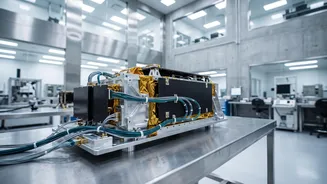
The expansion isn't just about launching rockets; it's also about what we do with the information from space. This 'downstream' segment, which uses satellite data to create applications, is where many see the largest economic potential. Startups are now transforming satellite imagery and signals into powerful, algorithm-driven solutions for various industries. For instance, Pixxel is developing a constellation of hyperspectral imaging satellites that provide AI-powered analytics for agriculture, energy, and climate monitoring. Other companies are using space data to provide services in logistics, insurance, urban planning, and disaster management, demonstrating that the value of space extends far beyond the launchpad.
Challenges and the Path to a $44 Billion Future
Despite the rapid growth, the path forward has its challenges. Scaling from promising technology to sustainable business requires significant, patient capital, as the space industry involves long development cycles and high risks. There is also a growing need for specialised talent in fields like propulsion and avionics to support the industry's ambitions. Policy consistency is another crucial factor for attracting long-term investment. To address these issues, the government has introduced measures like a venture capital fund for space startups and relaxed FDI norms. These initiatives aim to de-risk innovation and build investor confidence, propelling India’s space economy from its current valuation of around $8.4 billion towards a projected $44 billion by the next decade.