


The Alarming New Findings on UPFs
Recent research continues to build a strong case against diets high in ultra-processed foods. One of the latest significant studies, presented at the International Congress on Obesity in July 2026, suggested that UPFs could be a major driver of heart
disease. The Canadian modelling study estimated that a substantial portion of cardiovascular disease cases—between 23% and 37%—could be attributable to UPF consumption. While the exact numbers might differ between countries, the researchers believe similar trends could be expected in other high-income nations where UPF consumption is high. These findings add to a growing body of evidence linking UPFs to a range of health problems, including obesity, type 2 diabetes, and even certain cancers.
What Exactly Is an 'Ultra-Processed' Food?
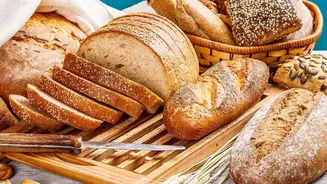
The term can be confusing, but the NOVA classification system offers a helpful way to think about it. Developed by researchers, it groups foods based on their level of industrial processing. Unprocessed or minimally processed foods are things like fresh fruits, vegetables, dal, rice, and meat. Processed foods have been altered to preserve them, like canned vegetables or freshly baked bread. Ultra-processed foods (UPFs), however, are in a different league. These are industrial formulations made from substances extracted from foods (like fats, starches, and sugars) and combined with additives like artificial colours, flavours, and emulsifiers. Think of them as products with long ingredient lists containing things you wouldn't find in a home kitchen. They are designed to be cheap, convenient, and hyper-palatable, making them hard to resist.
The Rise of UPFs in Indian Kitchens
While we might associate UPFs with Western diets, they have become increasingly common in India, especially in urban areas. Busy schedules and clever marketing have pushed many families towards convenience. Common examples in Indian households include instant noodles, packaged namkeen and chips, sugary biscuits, breakfast cereals, frozen snacks, and bottled juices and soft drinks. Even some traditional foods now have ultra-processed versions, such as instant poha or idli mixes that contain various additives. Research indicates the Indian processed food sector has been growing rapidly, leading public health experts to warn about a potential rise in diet-related illnesses like obesity and heart disease.
How to Be a Smarter Shopper
The goal isn't to eliminate all packaged foods but to become more mindful. The first step is to read the ingredient list. If it's long and full of chemical-sounding names, it's likely a UPF. Look for added sugars, hydrogenated oils, and protein isolates. A simple rule of thumb is to prioritise whole foods—the kind your grandparents would recognise. Instead of packaged snacks, opt for fresh fruit, nuts, or homemade options. Swap sugary breakfast cereals for traditional Indian breakfasts like poha, upma, or idli made from scratch. Choose plain yogurt over sweetened, flavoured versions. Cooking more meals at home gives you complete control over the ingredients, reducing your reliance on hidden sugars, salt, and unhealthy fats often found in ready-to-eat products.
Rethinking 'Healthy' and 'Convenient'
Many products are marketed as 'healthy,' 'high-protein,' or 'fortified,' yet fall into the UPF category. Energy bars, whole-grain cereals with high sugar content, and baked (not fried) chips can be misleading. The convenience they offer often comes at a hidden health cost. Even products for young children are not immune. A recent study presented in August 2026 found that a staggering 81% of foods marketed to toddlers were ultra-processed. This highlights the need for shoppers to be skeptical of marketing claims and focus on the nutritional information and ingredient list. True convenience is having a healthy body, and that starts with prioritising real, unprocessed food as the foundation of your diet.