

What is Eclectic Design, Really?
Eclectic design is often misunderstood as a chaotic free-for-all, but it is far from random. At its core, it is a highly personal and curated style that harmonises elements from different eras, styles, and cultures to create a cohesive look. Think of it as a well-orchestrated
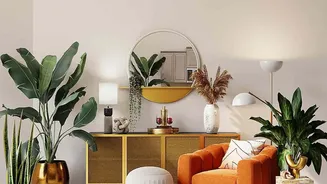
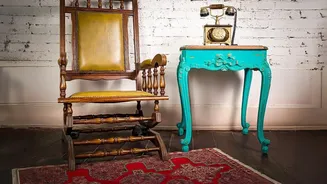
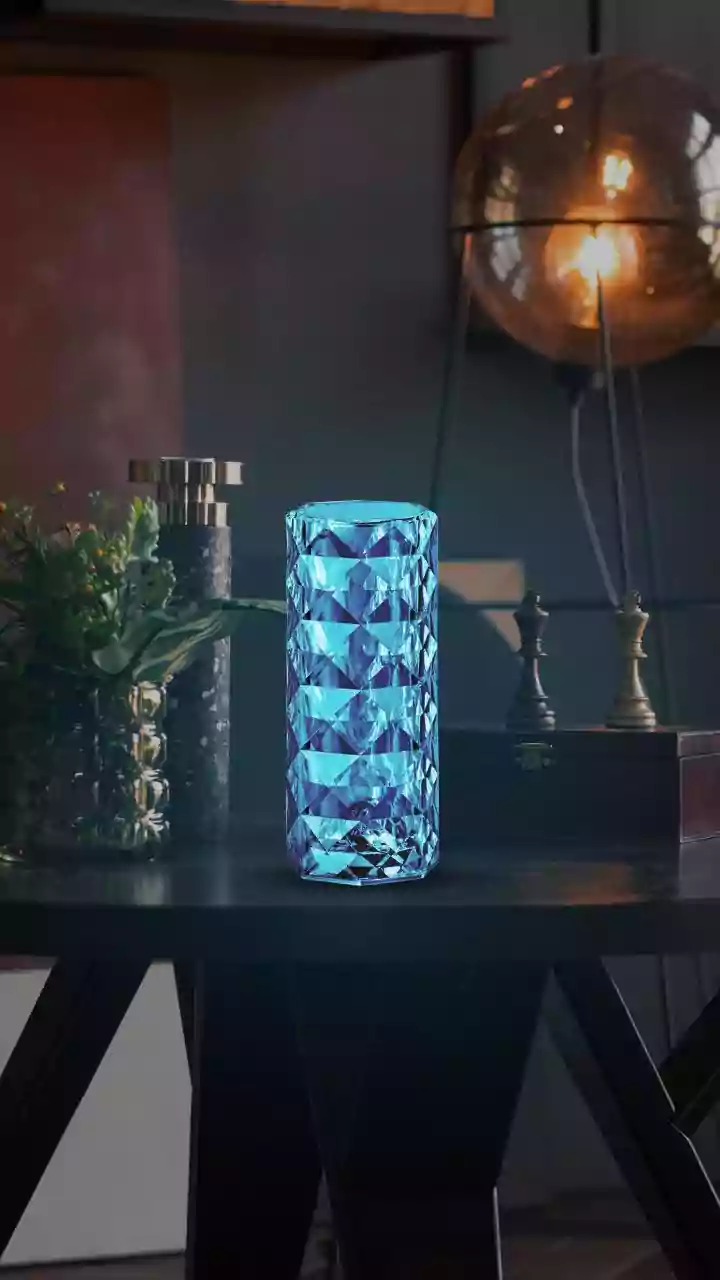
symphony, not just noise. It's the art of mixing a vintage armchair with a modern sofa, or placing a rustic wooden table under an industrial lamp. While it shares a 'more is more' spirit with maximalism, eclecticism is less about filling a space and more about telling a story through carefully chosen objects. Each piece holds meaning, whether it's a travel souvenir, a family heirloom, or a contemporary piece of art you simply fell in love with.
The Backlash Against the 'Perfect' Home
The move towards eclecticism is a direct reaction to the dominance of stark, impersonal minimalism and cookie-cutter interiors. For a long time, the aspiration was a home that looked untouched and flawless, much like a showroom. But homeowners are now realising that these picture-perfect spaces often lack soul and personality. There's a growing desire for homes that reflect individuality, experiences, and cultural history rather than conforming to a one-size-fits-all trend. The post-pandemic era, in particular, has deepened our connection to our homes, making us want spaces that are not just functional but also comforting and expressive of who we are. People want their homes to feel lived-in and authentic, not like a staged set for guests.
A Uniquely Indian Expression
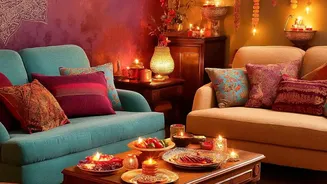
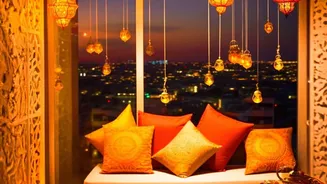
India's inherent diversity and rich history of craftsmanship make it a natural fit for the eclectic style. This trend is not about simply copying global aesthetics but about creating a distinctly Indian fusion. It's a style that effortlessly blends a modern, clean-lined sofa with a grandmother's teak wood chest or intricately carved jharokhas. India's wealth of textiles, from vibrant block prints to luxurious handwoven silks, finds a perfect home in eclectic interiors, adding layers of texture and colour. Similarly, traditional crafts like Madhubani art, metalwork in brass and copper, and cane furniture are being seamlessly integrated with contemporary decor, creating a beautiful harmony between the old and the new. This approach allows homeowners to celebrate their heritage while embracing a modern lifestyle.
The New Confidence in Curation
So, why is this happening now? A key driver is a newfound confidence among Indian homeowners. Digital platforms like Instagram and Pinterest have exposed people to a world of design possibilities, empowering them to trust their own taste. There is a clear shift away from seeking validation and towards expressing personal narratives. Younger generations, in particular, want their homes to be a canvas that showcases their travels, their cultural roots, and their unique experiences. This isn't just about decoration; it's a form of self-expression. The ability to source unique items online, combined with a renewed appreciation for local artisanship, has made it easier than ever to curate a space that is deeply personal and one-of-a-kind.
How to Start Your Eclectic Journey
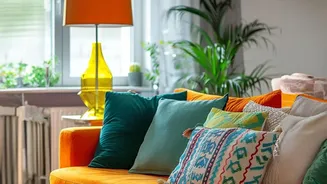
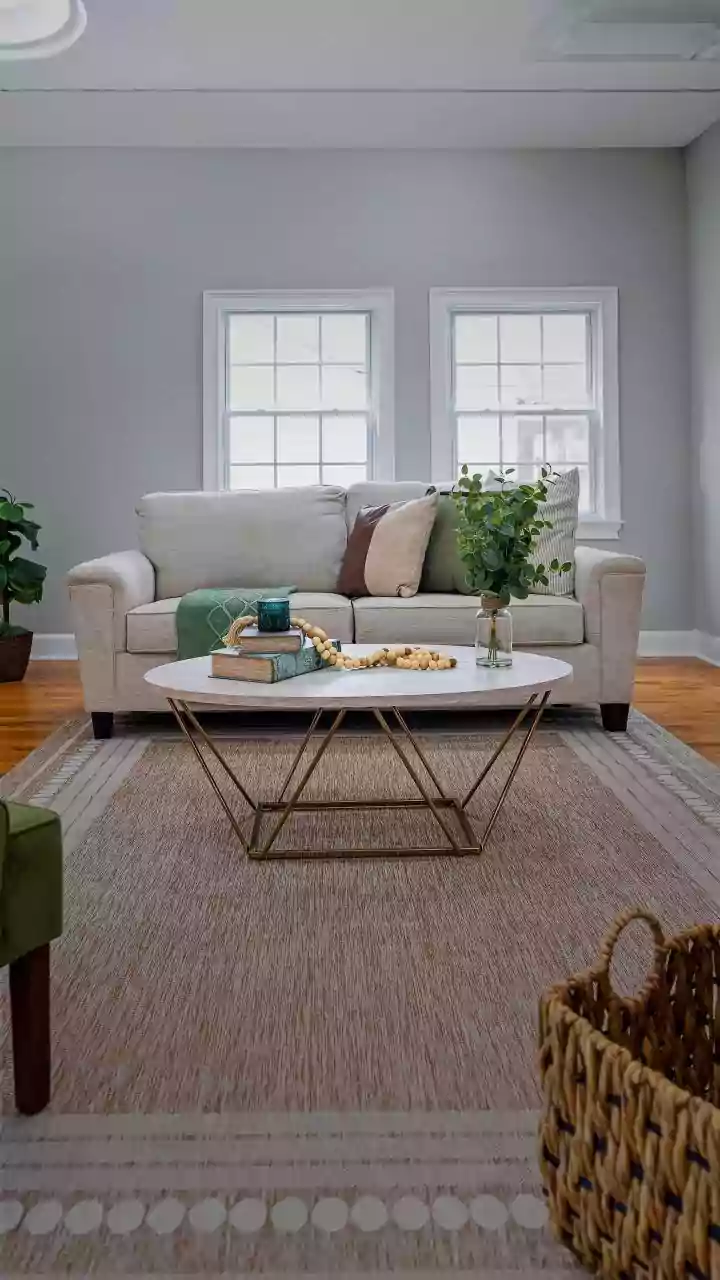
Embracing eclectic design doesn't mean creating clutter. The key is to find a common thread that ties disparate elements together. This could be a consistent colour palette, a recurring texture, or a particular mood. Start with a neutral base for your walls and large furniture pieces to create a calm backdrop. Then, layer in patterns, colours, and objects that you love. Mix old and new furniture to create visual interest. Don't be afraid to hang a modern art print next to a traditional painting. The most important rule is that there are no strict rules. Focus on collecting pieces over time that speak to you. Your home should be a collection of your stories, not a reflection of a fleeting trend.