








Understanding Today's Cosmic Rhythm
In the intricate tapestry of the Hindu lunar calendar, Dvadasi (also spelled Dwadashi) is the twelfth lunar day, or tithi. It occurs twice a month, once during the waxing moon (Shukla Paksha) and once during the waning moon (Krishna Paksha). Far from
being just another day, Dvadasi holds a special place in Vedic tradition, primarily as the day that follows the significant fasting day of Ekadasi. Today, June 26, 2026, marks the Dvadasi following Yogini Ekadashi, making it a particularly potent time for completing spiritual observances. This day is dedicated to Lord Vishnu, the preserver, and is seen as a time for upholding duties, honouring promises, and receiving divine blessings for spiritual growth.
The Significance of Parana
The most crucial ritual associated with Dvadasi is 'Parana', the ceremonial breaking of the Ekadasi fast. This isn't merely about eating; it's the sacred conclusion of a period of austerity and devotion. According to spiritual texts, performing Parana at the correct time on Dvadasi is essential to reaping the full benefits of the Ekadasi fast. The timing is specific, usually after sunrise and within a prescribed window before the Dvadasi tithi ends. This act symbolizes a return to nourishment and worldly duties with a renewed sense of purity and divine connection. It completes a cycle of spiritual discipline, integrating the purification of the fast into one's life.
A Plan for Spiritual Nourishment
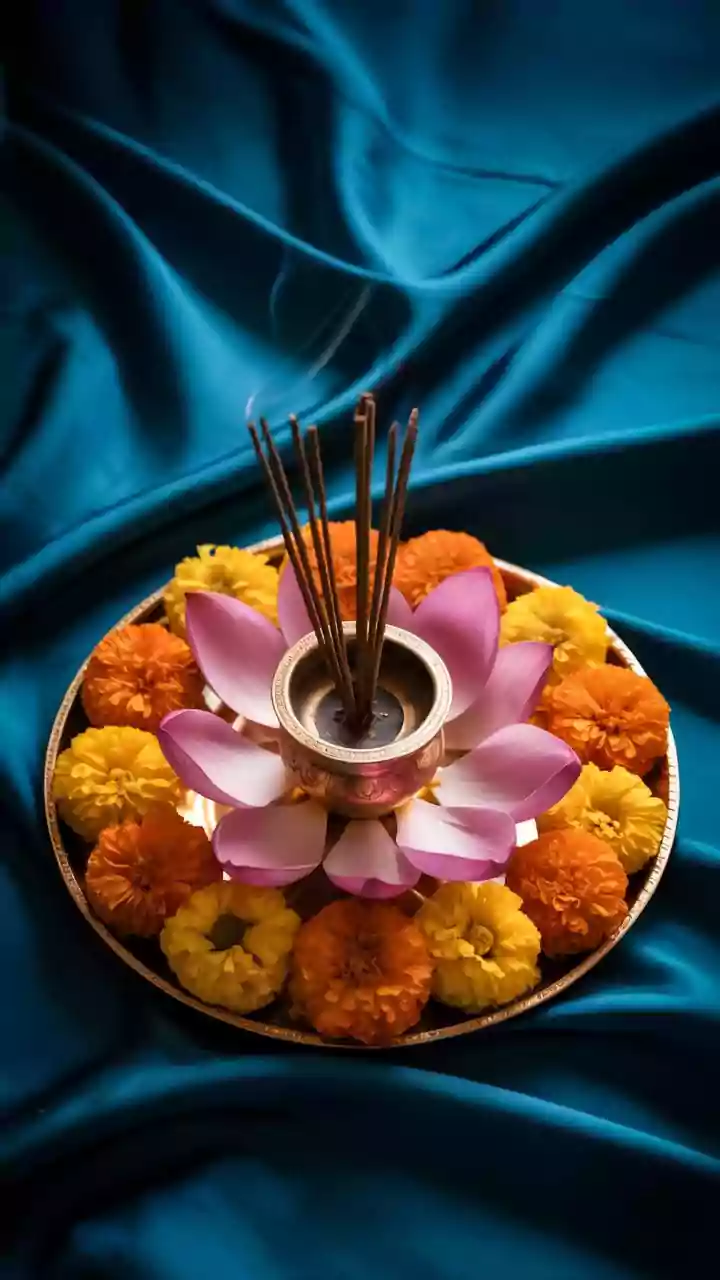
Even if you haven't observed a fast, Dvadasi offers a framework for spiritual planning and self-care. The energy of the day is conducive to sattvic or pure activities. You can begin the morning by waking early, bathing, and wearing clean clothes. Dedicate a few moments to prayer or meditation, perhaps lighting a lamp and offering flowers to Lord Vishnu or your chosen deity. Chanting mantras like 'Om Namo Bhagavate Vasudevaya' is a powerful way to align with the day's preservative energy. It is also an excellent day for acts of charity. Donating food, clothing, or resources to those in need is considered highly auspicious and amplifies the day's positive vibrations. This act of giving completes the spiritual circuit of receiving blessings and sharing them with the world.
Mindful Consumption and Reflection
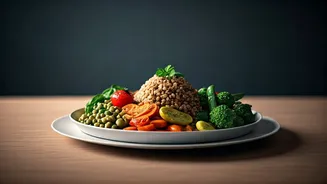
The transition from the austerity of Ekadasi to the nourishment of Dvadasi carries a lesson in balance. The first meal eaten on this day is significant. It's recommended to be simple, light, and sattvic—avoiding heavy, spicy, or processed foods. Foods like fruits, milk, and simple grains are traditionally preferred. This mindful approach to eating serves as a metaphor for how we should consume all things—information, entertainment, and interactions—with awareness and gratitude. Use the day to reflect on your personal and spiritual goals. Just as Dvadasi is about fulfilling duties, it can be a day to assess your own commitments. Are you acting with integrity? Are you nurturing your spiritual well-being alongside your material responsibilities?
Integrating Dvadasi into a Modern Life
In a modern context, observing Dvadasi doesn't require withdrawing from the world. Instead, it's about infusing your day with greater intention. You can dedicate your work as an offering, perform your duties with meticulous care, and interact with others with kindness. The worship of the Tulsi plant is also a key Dvadasi ritual, as the plant is considered a living embodiment of the divine feminine and a consort of Vishnu. Simply watering a Tulsi plant or spending a moment near it can be a profound act of connection. Think of Dvadasi as a recurring monthly appointment with your spiritual self—a day to check in, reset your intentions, and cultivate a sense of inner peace and purpose that can sustain you through the rest of the lunar cycle.