



An Undercover Investigation: Checking the Roots
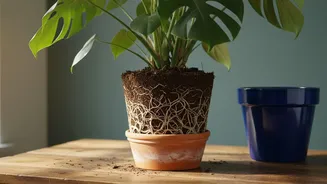
The most definitive sign your plant needs a new home is found below the soil. A plant that has outgrown its container is called 'root-bound'. To check, gently tip the pot sideways, supporting the plant at its base, and slide it out. Healthy roots are
typically firm and white, cream, or light tan. If you see a dense, tangled mass of roots circling the inside of the pot with very little soil visible, the plant is root-bound. Other red flags include roots that are dark brown, black, mushy, or have a foul, swampy smell, which are signs of root rot from overwatering. You might also see roots actively growing out of the drainage holes or even pushing up through the topsoil in a desperate search for space and nutrients.
Reading the Soil and Water Cues
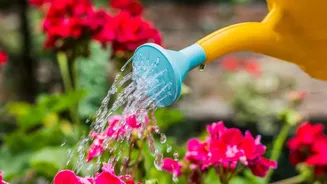
The soil itself offers important clues. Over time, soil can become compacted or depleted of essential nutrients. If the potting mix looks pale, has a salty crust on the surface, or smells musty, it's a sign that it’s time for a refresh. Another telltale indicator is how your plant responds to watering. If you water your plant and the water runs straight through the pot without seeming to soak in, it’s a sign that the root mass has displaced most of the soil. Conversely, if the soil dries out extremely quickly—within a day or two of a thorough watering—it suggests there isn't enough soil to hold adequate moisture for the plant's needs.
Visible Signs of Stunted Growth
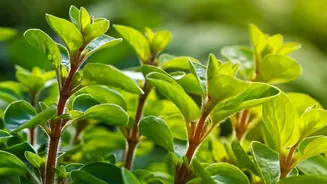
Your plant’s visible growth is a direct reflection of its health underground. A happy plant in the right-sized pot will regularly produce new leaves during its growing season. If your plant has stopped growing entirely for a month or more during spring or summer, it may be struggling. Pay close attention to the new foliage; if new leaves are noticeably smaller than older ones, it suggests the plant lacks the resources to support robust growth. Widespread yellowing leaves, known as chlorosis, can also signal that the roots are too cramped to absorb the nutrients the plant needs, such as nitrogen. Finally, if a plant becomes top-heavy and is constantly tipping over, its pot is likely too small to provide a stable base.
The Right Time to Make a Move
Even if you spot these signs, timing is crucial. The best time to repot is typically in late winter or early spring, just before the plant enters its active growing season. This allows the roots to establish themselves in the new soil and take advantage of the increased light and energy for growth. Repotting in the fall is also an option, as the plant is slowing down and may experience less shock. Avoid repotting when a plant is actively flowering or during its winter dormancy period if possible, as this can cause unnecessary stress. While most houseplants only need repotting every one to three years, fast-growing varieties might need it more frequently.