


The Plant-Based Protein Puzzle
Protein is the essential building block for repairing and growing muscle tissue, a process crucial after any workout. Proteins are made of amino acids, and there are nine 'essential' amino acids that our bodies cannot produce on their own; they must come
from our diet. Animal products are typically 'complete proteins', meaning they contain all nine of these essential amino acids in sufficient amounts. Most plant-based foods, however, are 'incomplete', as they are often low in one or more of these crucial compounds. This is why a well-planned vegetarian diet requires a strategic approach to ensure you're getting the full spectrum of amino acids needed for optimal recovery and health.
A Perfect Nutritional Partnership
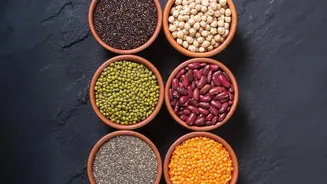
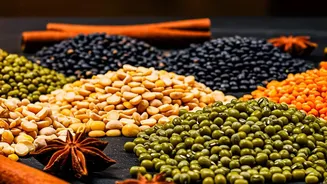
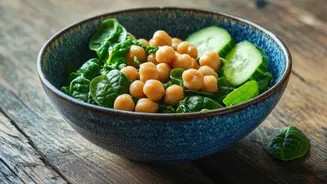
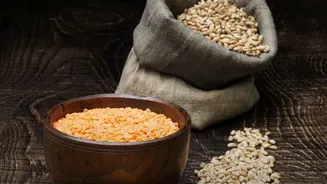
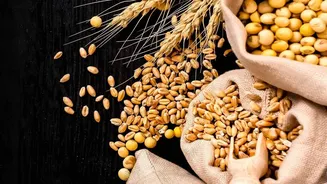
This is where the classic combination of whole grains and legumes comes in. These two food groups have a symbiotic relationship when it comes to protein. Grains, like rice and wheat, are typically low in the essential amino acid lysine. Legumes, such as beans, lentils, and chickpeas, are rich in lysine but happen to be low in another essential amino acid, methionine. When you eat them together, they perfectly complement each other’s shortcomings. The lysine from the legumes fills the gap in the grains, and the methionine from the grains completes the profile of the legumes. This combination creates a high-quality, complete protein that provides your body with all the necessary building blocks for muscle repair.
Maximising Muscle Repair and Growth
After exercise, your muscles are in a state of breakdown and are primed for repair. Consuming a complete protein source during this recovery window provides the essential amino acids needed to kickstart muscle protein synthesis—the process of rebuilding damaged muscle fibres to be stronger than before. For vegetarians, a meal of whole grains and legumes delivers this full suite of amino acids effectively, supporting recovery and helping to reduce muscle soreness. While some research notes that plant-based whole foods might stimulate muscle synthesis at a different rate compared to some animal proteins, the consensus is that a well-planned plant-based diet with sufficient protein absolutely supports muscle growth and athletic performance. The key is ensuring your intake is adequate and varied.
Powerful Pairings for Your Plate
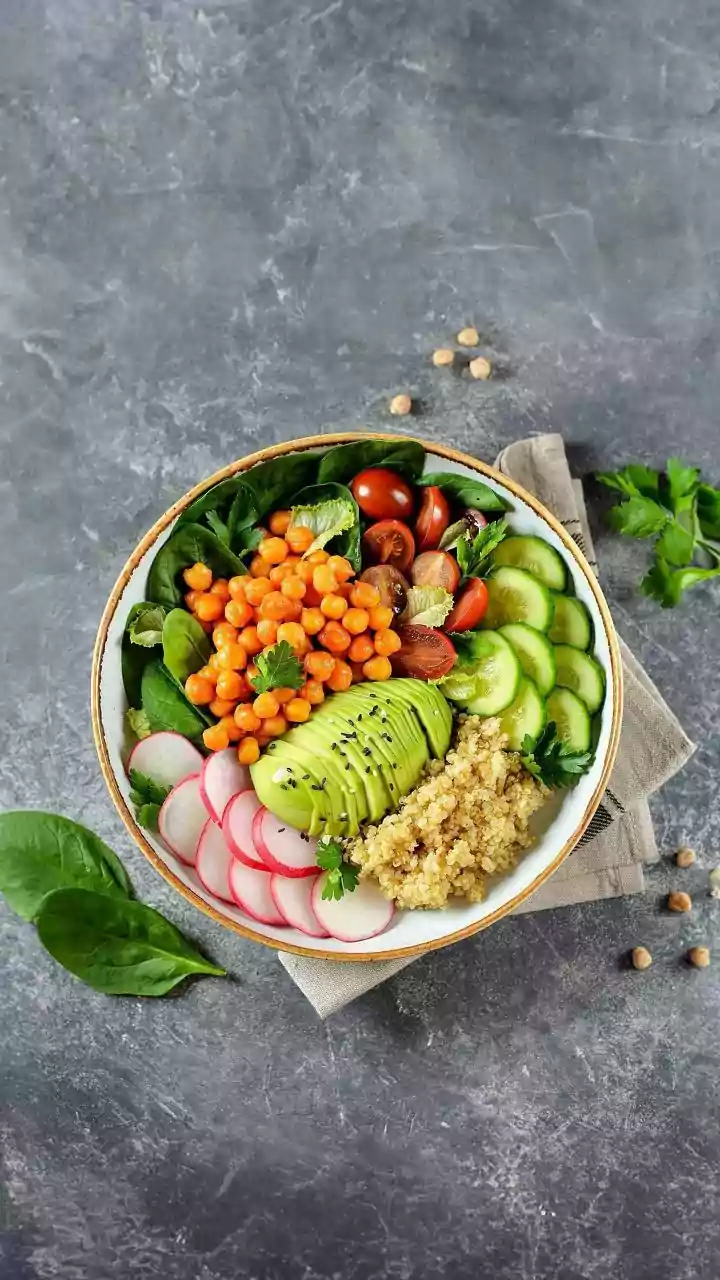
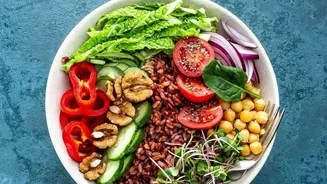
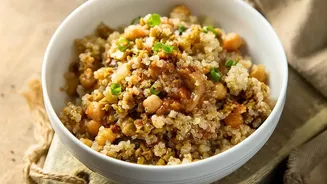
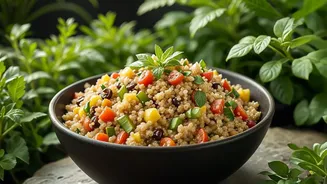
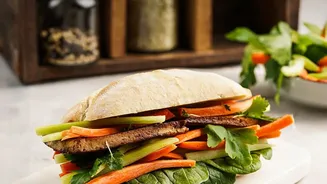
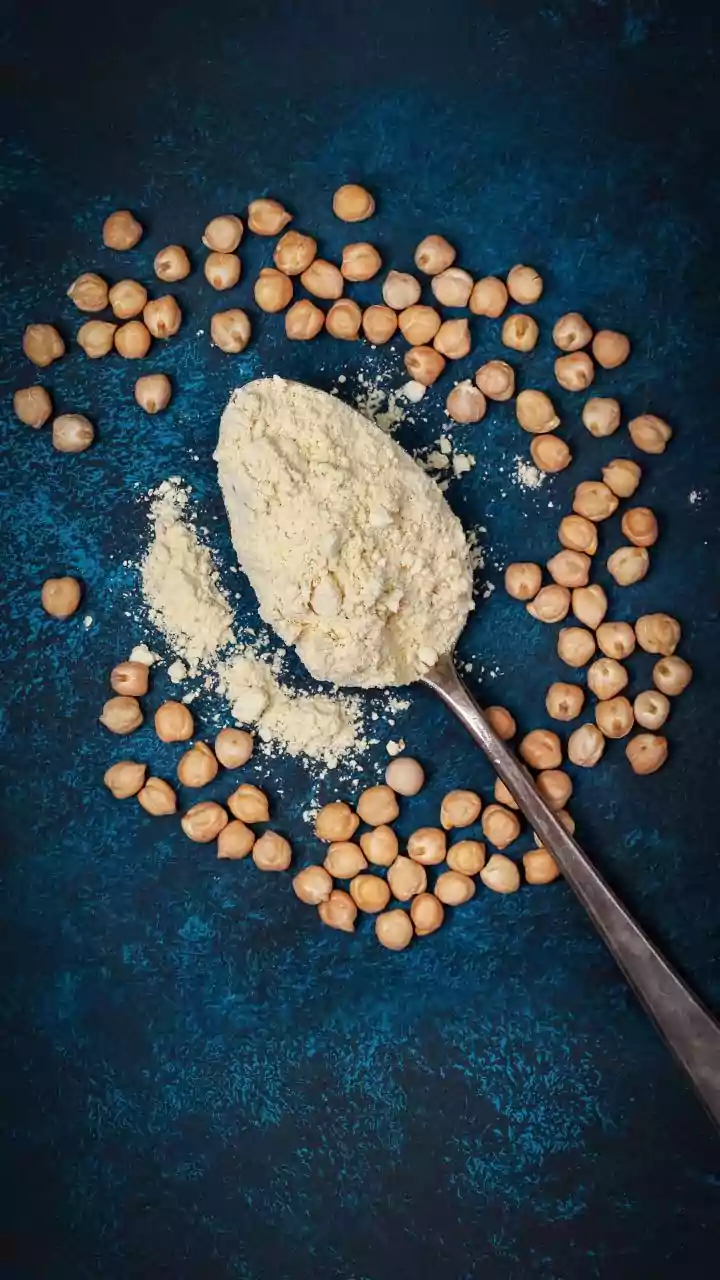
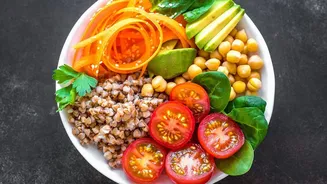
This nutritional strategy is not only effective but also delicious and versatile. Many global cuisines have built their foundations on these powerful pairings. For a post-workout meal or a daily staple, consider incorporating these classic combinations: Dal with brown rice or roti, a staple in Indian cuisine. Black beans with corn or rice, a cornerstone of Mexican food. Hummus (made from chickpeas) with whole-wheat pita bread. Peanut butter on whole-wheat toast. Lentil soup served with a slice of whole-grain bread. A quinoa bowl with black beans and corn. While research indicates you don't necessarily need to eat these foods in the exact same meal to get the benefits, consuming them throughout the same day is an effective strategy.
Beyond the Basic Combination
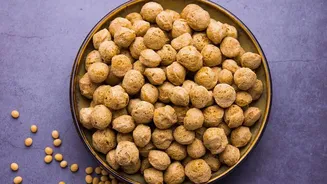
While the grain and legume pairing is a fundamental strategy, other plant-based foods can also ensure you're getting complete proteins. Quinoa, amaranth, and soy products like tofu and tempeh are notable exceptions in the plant world, as they are considered complete proteins all on their own. Sprouted grain breads, which often combine sprouted grains and legumes, are another excellent choice that offers a complete amino acid profile right from the package. By focusing on variety and including a wide range of legumes, whole grains, nuts, and seeds in your diet, you can easily meet your body's needs for muscle repair, growth, and overall health without relying on animal products.