





Across India's bustling cities, a quiet revolution is taking place at sunrise. The local park, once the domain of solitary walkers, is now a vibrant stage for a new kind of fitness culture, built on community, fresh air, and shared goals.
The Dawn of a New Fitness Scene
Before the city
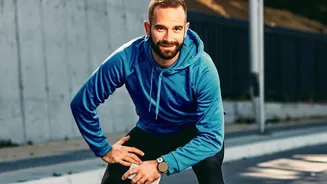
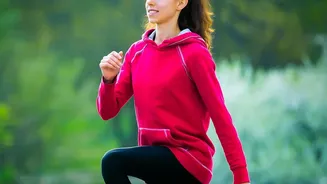
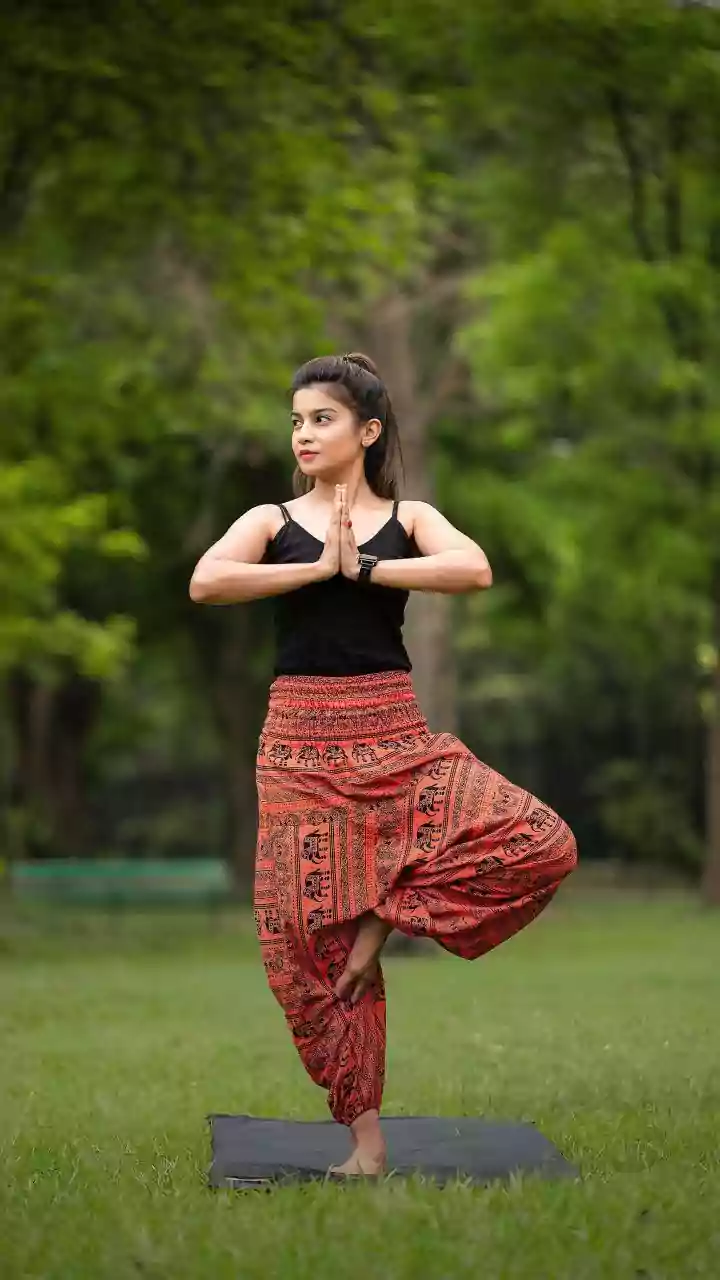
fully awakens, its green lungs are already buzzing with energy. In parks from Delhi's Lodhi Garden to Bengaluru's Cubbon Park, the scene is no longer just about gentle morning strolls. It's about the rhythmic pounding of dozens of running shoes, the collective exhale of a sunrise yoga class, and the energetic shouts of a high-intensity interval training (HIIT) group. This is the new face of urban fitness in India—a grassroots movement that has turned public parks into dynamic, open-air wellness centres. Running clubs, some with hundreds of members, gather for weekend runs, while yoga enthusiasts lay their mats on the grass for free, community-led sessions. This trend reflects a major shift away from the solitary, indoor gym experience toward a more social, accessible, and holistic approach to well-being.
Why Parks, and Why Now?
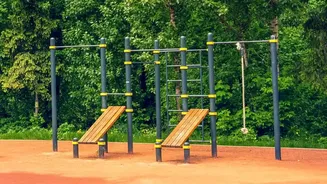
Several factors are driving this migration to green spaces. For many, it's a direct response to the high cost and intimidating atmosphere of traditional gyms. Parks offer a free, welcoming alternative. The post-pandemic era has also left a lasting mark, with a heightened awareness of physical and mental health and a renewed appreciation for the outdoors. After long periods of confinement, people are actively seeking fresh air and nature, which studies show can reduce stress and improve mental clarity. Furthermore, urban planners have begun to recognise this need, installing free-to-use open-air gym equipment in many parks, which has only accelerated the trend. These simple, weather-proof machines make strength training accessible to everyone, complementing the cardio and flexibility workouts already happening.
More Than Just a Workout
Perhaps the most powerful driver of this movement is the sense of community. For a generation navigating long work hours and shrinking social circles, these fitness groups have become what sociologists call a 'third place'—a vital social hub outside of home and work. Running clubs are no longer just about pace charts; they prioritise consistency and camaraderie. They have become platforms for friendship, networking, and mutual motivation. The accountability that comes with being part of a group makes it easier to stick to a routine, turning fitness from a chore into an enjoyable social activity.
The Role of Technology and Organisation
This boom in community fitness is heavily supported by technology. Social media and messaging apps are the primary tools for organising these gatherings. A simple Instagram post or WhatsApp message can bring dozens, sometimes hundreds, of people together for a run. This has allowed for the rapid growth of both informal neighbourhood groups and larger, more structured clubs, some of which are sponsored by major fitness brands. These groups cater to all levels, from beginners taking their first running steps to seasoned marathoners, ensuring the movement is inclusive and welcoming.
Challenges on the Path Ahead
While the trend is overwhelmingly positive, it has exposed some infrastructural gaps. As hundreds of runners descend on popular spots like Delhi's Nehru Park or India Gate, issues like a lack of clean drinking water, adequate lighting, and dedicated running or cycling lanes become more apparent. Organisers and participants point to the need for better coordination between community groups and park authorities to ensure safety and proper maintenance. As these green spaces become even more crucial to public health, investing in amenities like marked routes, clean toilets, and hydration points will be key to sustaining this wellness revolution.