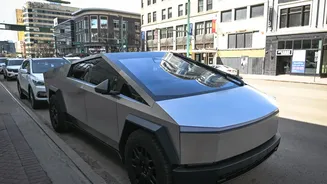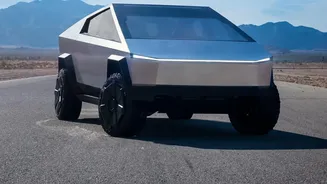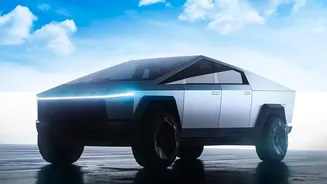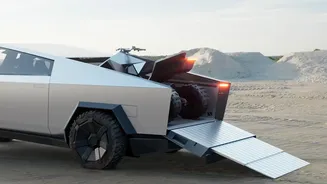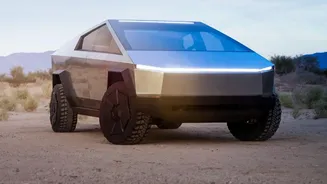


After years of hype, numerous delays, and a controversial life on the market, the Tesla Cybertruck is officially entering its final act. The company has confirmed it will wind down production, marking a significant pivot away from the polarizing pickup.
The Official Timetable
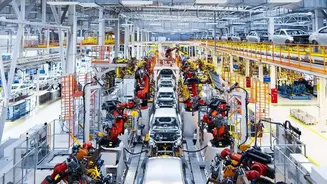
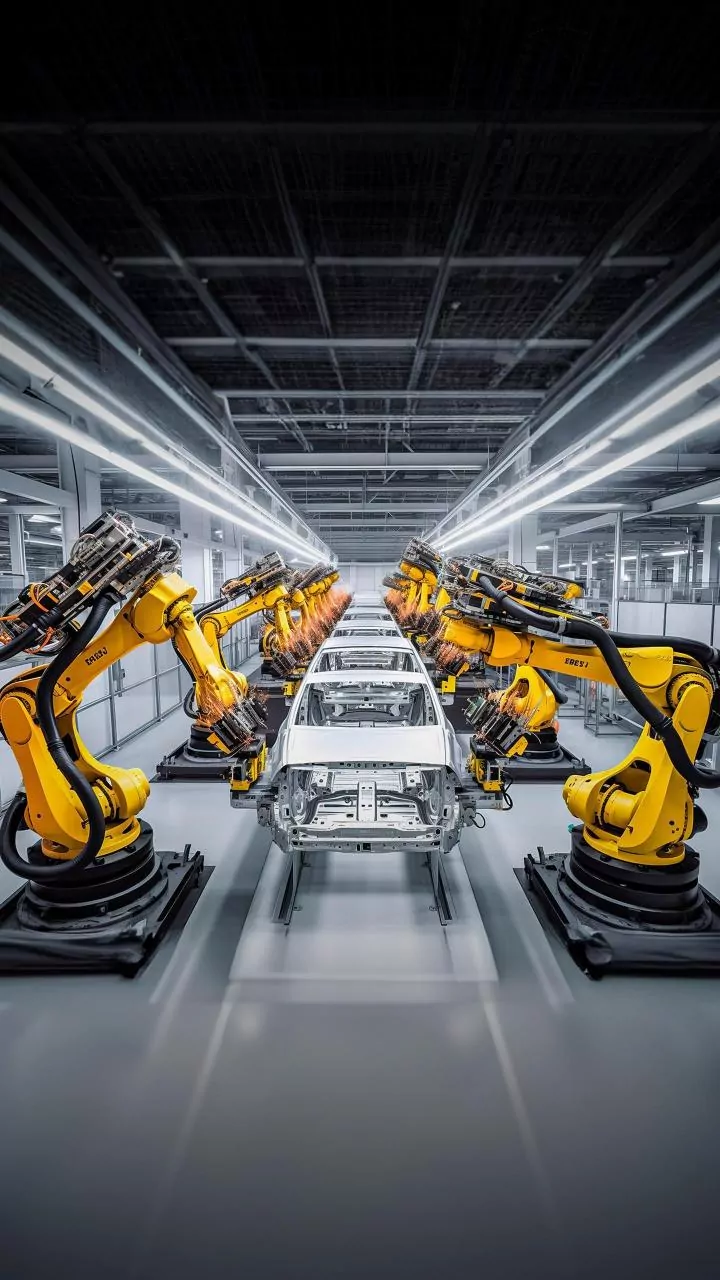
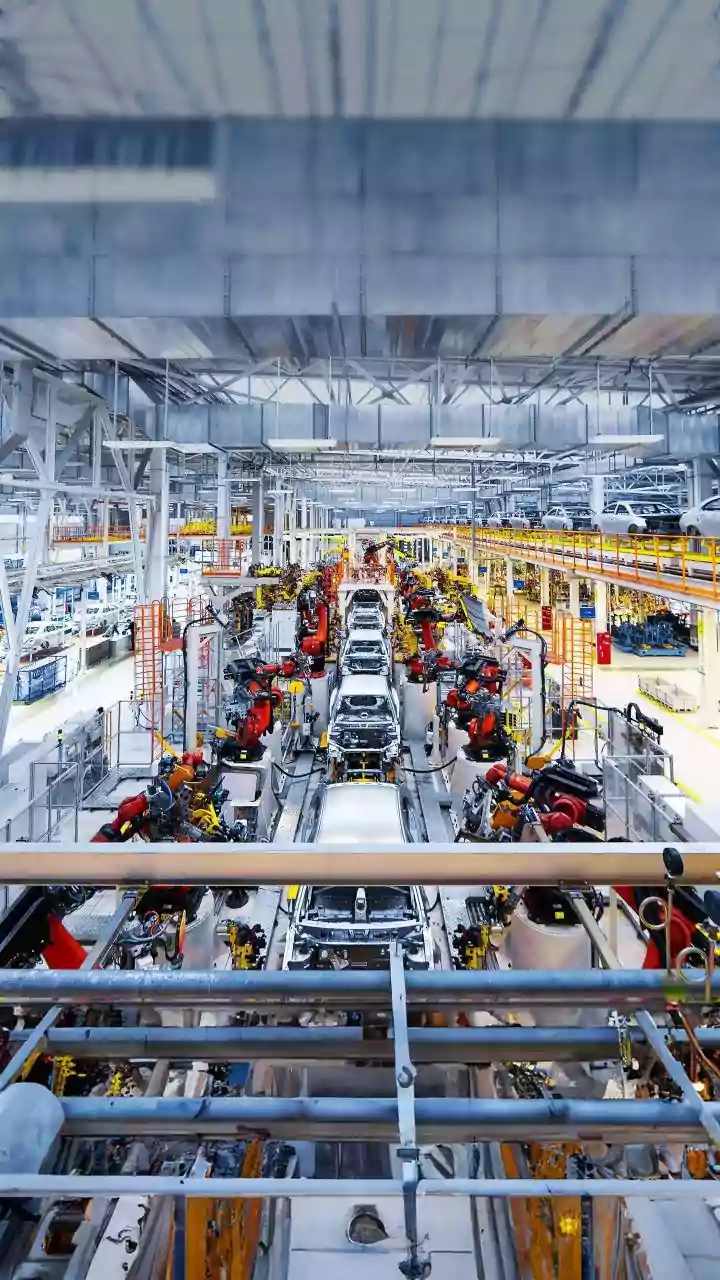
In a series of posts on his social media platform X, CEO Elon Musk announced that Tesla will halt production of the Cybertruck around the middle of 2027. The wind-down will take place at the company's Gigafactory in Texas, the sole plant responsible for manufacturing the stainless-steel vehicle. Musk clarified that the process of dismantling the production line is expected to occur around June or July of 2027. To manage the existing order backlog, which Musk claims still exceeds what can be built in the remaining time, Tesla will add an extra production shift to fulfill as many outstanding orders as possible before the shutdown. For customers whose orders cannot be completed, Tesla plans to issue refunds for their deposits.
A Pivot to the Cybercab
The official reason for ending Cybertruck production is to free up factory space and engineering talent for Tesla's next major focus: the Cybercab. The Cybercab is a two-seater autonomous vehicle with no steering wheel or pedals, designed to be the backbone of Tesla’s planned robotaxi network. Musk has positioned this shift as a strategic reallocation of resources toward what he believes will 'profoundly transform' transportation. According to Musk, the complexity of maintaining the unique supply chain and manufacturing process for the low-volume Cybertruck represents an opportunity cost, and those resources are better applied to scaling up the Cybercab. However, some analysts are skeptical of this framing, pointing out that Giga Texas has millions of square feet of space and the Cybercab program is still in its early stages.
A History of Missed Targets
While Tesla is framing the decision around its robotaxi ambitions, the Cybertruck's challenging history cannot be ignored. First unveiled in 2019 with a promise of a 2021 launch, the truck didn't reach its first customers until late 2023. Early on, Musk predicted annual production could reach between 250,000 and 500,000 units. The reality has been starkly different. Sales have consistently fallen far short of those ambitious targets. According to Kelley Blue Book data, sales fell from approximately 39,000 units in 2024 to just over 20,000 in 2025—a nearly 48% drop. The trend continued into 2026, with estimates showing just over 11,500 units sold in the first nine months of the year. Musk himself acknowledged the difficulties long ago, stating in 2023, 'We dug our own grave with Cybertruck,' referencing the immense challenges of ramping up production.
Design Challenges and Quality Concerns
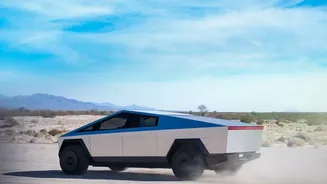
The Cybertruck's radical design, featuring a rigid stainless-steel exoskeleton, created significant manufacturing hurdles from the start. These production complexities were compounded by a series of recalls and quality control issues that have plagued the vehicle since its launch. The National Highway Traffic Safety Administration has recorded numerous recalls for issues ranging from accelerator pedals that could get stuck to exterior panels detaching while driving. Furthermore, the truck's sharp-edged design made it ineligible for sale in some major international markets, like Europe, due to pedestrian safety regulations, limiting its global sales potential from the outset.