





The Versatility of Chilli Oil
Chilli oil is a remarkably simple yet transformative condiment that belongs in every spice lover’s pantry. At its core, it is an infusion of oil with dried chilli peppers, but its variations are endless. Chinese-style chilli crisps, for example, are packed
with crunchy chilli flakes, fried garlic, and sometimes fermented soybeans, offering texture alongside the heat. Simpler versions, like those found in Italian cuisine, involve steeping dried chillies in olive oil for a smoother, more subtle warmth. The beauty of chilli oil lies in its versatility. A spoonful can be drizzled over anything from noodles and dumplings to pizza and morning eggs. The infused oil itself lends a gentle, warming glow, while the flakes and other aromatics provide a more intense, fiery burst. You can use it as a finishing touch to a stir-fry, a dip for bread, or a base for a salad dressing, making it an easy way to add a layer of complexity and spice without overpowering the dish's original flavours.
The Flavour Bomb of Indian Pickles
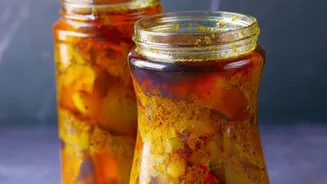
Indian pickles, or achaar, are a world away from the vinegar-soaked cucumbers of the West. They are complex, concentrated flavour bombs that deliver a multifaceted experience of salty, sour, pungent, and spicy notes all at once. Made by preserving fruits or vegetables like mango, lime, and chilli in oil and a potent mix of spices, achaar is a cornerstone of Indian cuisine. The most popular variety, mango pickle (aam ka achar), is a tangy and spicy staple found in nearly every household. For pure heat, a red or green chilli pickle (mirch ka achar) offers a fiery kick seasoned with mustard seeds and other spices. But there are countless regional variations, from the sweet and sour Gor-Keri of Gujarat to the intensely spicy Avakaya of Andhra Pradesh. A small spoonful of achaar on the side of a plate of dal and rice, with parathas, or mixed into curd rice can completely awaken a simple meal, proving that a pickle is not just a condiment but a transformative ingredient.
The Clean Heat of Fresh Garnishes
For a burst of bright, sharp heat that also adds texture and freshness, look no further than fresh garnishes. Unlike the slow-building warmth of oils or the complex spice of pickles, fresh ingredients provide an immediate and lively kick. Finely chopped green or red chillies are the most obvious choice, lending a clean spice to curries, salads, and soups. How you cut them matters: mincing the chillies will meld the heat into the entire dish, while a coarser chop will result in surprising, fiery bites. Beyond chillies, other garnishes can introduce different kinds of heat. Juliennes of fresh ginger add a pungent, warming spice that pairs beautifully with many Asian dishes. Freshly cracked black pepper provides a familiar tingling heat that shouldn't be overlooked. Even something as simple as thinly sliced raw onions or crispy fried shallots can add a pungent bite and a delightful crunch, proving that the final touches can make all the difference.
How to Combine for Best Effect
The true art of personalising heat lies in understanding how these different elements can work together. They are not mutually exclusive; in fact, they can be layered to create a more dynamic flavour profile. Imagine a simple bowl of lentil soup. A swirl of chilli oil can add a deep, toasted warmth. A small spoonful of lime pickle on the side can introduce a tangy, spicy counterpoint that cuts through the richness. Finally, a sprinkle of fresh, chopped green chillies and cilantro can add a burst of freshness and a final, sharp kick. Start by thinking about the primary flavour of your dish and what kind of heat would complement it best. A creamy pasta might benefit from the simple fire of a chilli-infused oil, while a rich biryani could be enhanced by the tangy complexity of a mixed vegetable pickle. Don't be afraid to experiment. The goal is to find combinations that excite your palate and turn every meal into a customised experience.