






Embrace Gourds and Hardy Vegetables
During the rainy season, vegetables that grow on climbers and vines are generally safer bets. Items like bottle gourd (lauki), bitter gourd (karela), ridge gourd (turai), snake gourd, and pumpkin have thick skins and are less exposed to waterlogged soil,
reducing the risk of contamination. These vegetables are not only easier to clean but are also light on the digestive system, which can be sensitive during this season. Root vegetables such as potatoes and onions are also good staples, but ensure they are stored in a cool, dry place away from moisture to prevent them from sprouting or rotting. The key is to choose produce that is less likely to carry mud and microbes.
Choose Peelable and Sturdy Fruits
While it's tempting to indulge in all kinds of fruit, the monsoon calls for some discretion. Opt for fruits with thick, peelable skins like bananas, pomegranates, and seasonal pears and apples. These fruits protect the edible part from direct exposure to contaminants. Citrus fruits like oranges and sweet limes are also excellent choices, as their high Vitamin C content helps bolster your immune system. It's best to avoid pre-cut fruits sold by street vendors, as they are often exposed to the humid air and potential contamination for long periods. Always buy whole fruits, wash them well at home, and cut them just before you plan to eat them to ensure maximum freshness and safety.
Secure Your Grains and Pulses
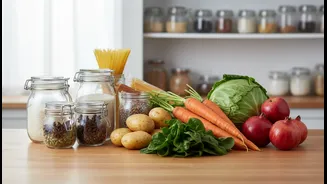
The damp monsoon air is the enemy of dry goods. Moisture can lead to mold and attract pests in your pantry. This is the time to double-check your storage solutions. Transfer staples like rice, wheat flour (atta), and all varieties of dals into clean, dry, and airtight containers. Lightly roasting grains like semolina (suji/rava) before storing them can also extend their shelf life by removing any latent moisture. When it comes to pulses, moong dal is an especially good choice for the monsoon as it is light, protein-rich, and easy to digest. A well-stocked and well-protected pantry ensures you always have the foundation for a wholesome, home-cooked meal, which is the safest option this season.
Leverage Immunity-Boosting Spices
Your masala dabba is a treasure trove of wellness during the monsoon. Many common Indian spices have powerful anti-inflammatory, antibacterial, and immunity-boosting properties that are especially beneficial when seasonal infections are on the rise. Turmeric, with its active compound curcumin, is a potent anti-inflammatory. Ginger is excellent for soothing sore throats and aiding digestion, while garlic is known for its antiviral properties. Black pepper not only adds flavour but also helps increase the absorption of curcumin from turmeric. Incorporating these spices generously into your daily cooking—in dals, sabzis, soups, and teas—is a simple and effective way to support your body's natural defences.
Be Cautious with Leafy Greens
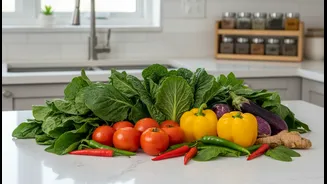
Ayurveda and modern health experts often advise caution with leafy green vegetables like spinach, fenugreek (methi), and cabbage during the monsoon. The reason is simple: the damp, crinkly leaves can easily trap dirt, grime, and microbes from contaminated soil, making them difficult to clean thoroughly. This increases the risk of stomach infections. If you do choose to eat them, it is crucial to be extra diligent. Soak them in clean water, wash them leaf by leaf, and always cook them properly instead of consuming them raw in salads. Steaming or sautéing can help kill harmful bacteria that may be present.
Support Gut Health with Probiotics
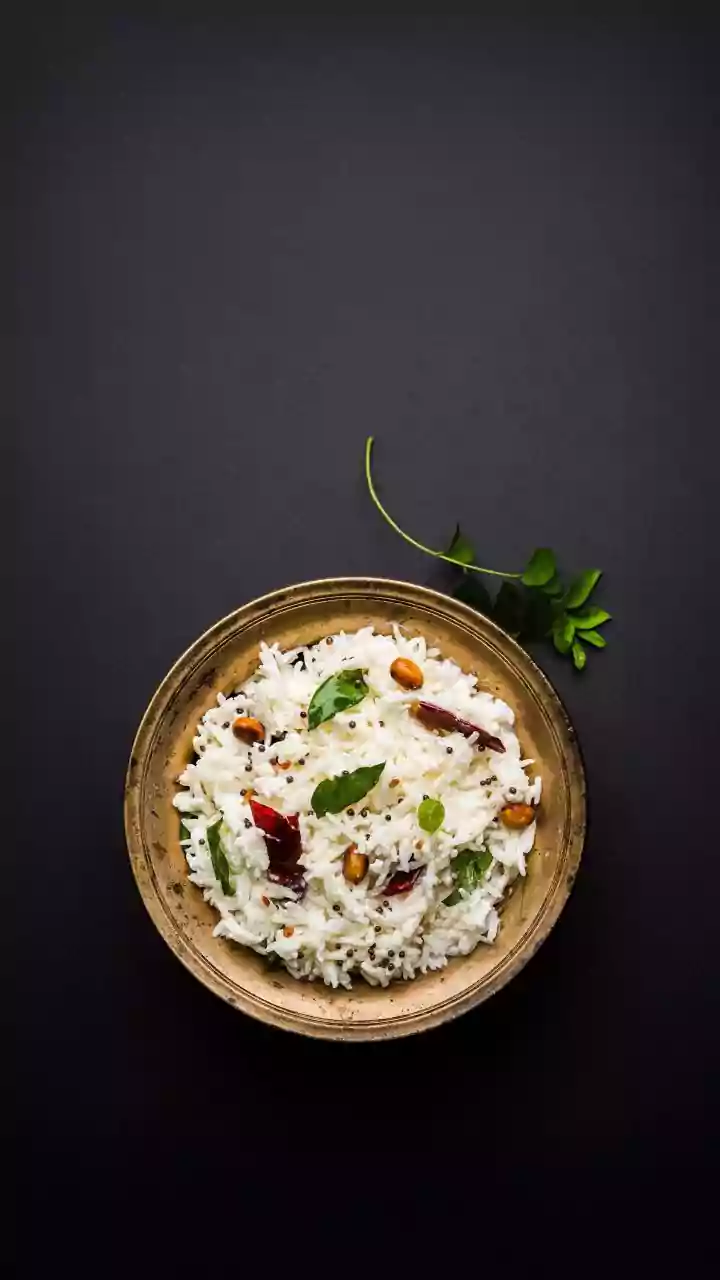
Digestive issues are common during the monsoon, as the humid weather can slow down our digestive fire. Supporting your gut with probiotics is a wise move. Freshly prepared yogurt (curd) and buttermilk are excellent sources of good bacteria that help maintain a healthy gut microbiome and fight off pathogenic bacteria. These foods aid digestion and also support your overall immunity. However, ensure that the dairy you consume is fresh and has been stored correctly in the refrigerator. Avoid consuming curd that has been left out for too long or tastes overly sour, as it may do more harm than good.